Embracing modern off-grid homesteading is no longer just about roughing it in the wilderness. Today’s homesteaders combine traditional skills with innovative technology to create sustainable, efficient, and comfortable lifestyles away from the grid. Whether you’re looking to reduce your reliance on public utilities, achieve greater self-sufficiency, or simply live closer to nature, there are now more smart solutions than ever to help you succeed.
This guide explores how contemporary tools, renewable energy, and clever design choices are transforming the way people live off the grid. From solar-powered systems to automated chicken coops, we’ll look at practical ways to make your homestead more resilient and enjoyable. For inspiration from real-life pioneers, check out these off-grid living success stories that showcase what’s possible with determination and creativity.

Key Principles of Contemporary Off-Grid Living
At its core, living off the grid means producing your own energy, managing water and waste, and growing or sourcing food independently. However, today’s approach is about more than just survival. It’s about creating a lifestyle that’s efficient, comfortable, and environmentally responsible. Here are some foundational principles:
- Self-sufficiency: Producing your own power, food, and water reduces reliance on external systems.
- Resilience: Building systems that can withstand disruptions, from weather events to supply chain issues.
- Efficiency: Using resources wisely through smart design, automation, and renewable energy.
- Comfort: Leveraging technology to maintain a high quality of life, even in remote locations.
Energy Independence with Smart Technology
One of the most significant advances in modern off-grid homesteading is the availability of reliable, scalable renewable energy solutions. Solar panels, wind turbines, and micro-hydro systems are now more affordable and efficient than ever. Smart inverters, battery banks, and energy management systems allow homesteaders to monitor and optimize their power usage in real time.
For those interested in building with natural materials, integrating natural building techniques off-grid can further reduce energy needs and increase comfort. Combining passive solar design, high-performance insulation, and thermal mass helps maintain stable indoor temperatures year-round.
Food Production and Permaculture Approaches
Growing your own food is a cornerstone of off-grid living. Raised garden beds, permaculture design, and greenhouse systems allow for year-round harvests and efficient use of space. Smart irrigation controllers, soil moisture sensors, and weather monitoring apps help optimize watering and crop health, reducing waste and labor.
For those raising animals, automated feeders, waterers, and climate-controlled coops make livestock care more manageable. Investing in a smart chicken coop upgrade can provide peace of mind, especially for those who travel or have busy schedules.
If you’re curious about the day-to-day realities of this lifestyle, you can learn more about routines and challenges in daily life off-grid homestead articles.
Water Management and Waste Solutions
Reliable water is essential for any homestead. Collecting rainwater, drilling wells, or tapping springs are common methods for sourcing water. Filtration and purification systems ensure safety, while smart pumps and leak detectors help conserve every drop.
Greywater recycling and composting toilets are increasingly popular for waste management. These systems reduce environmental impact and minimize the need for costly septic installations. Modern composting toilets, for example, are odor-free and easy to maintain, making them a practical choice for remote properties.
Smart Home Automation for Off-Grid Properties
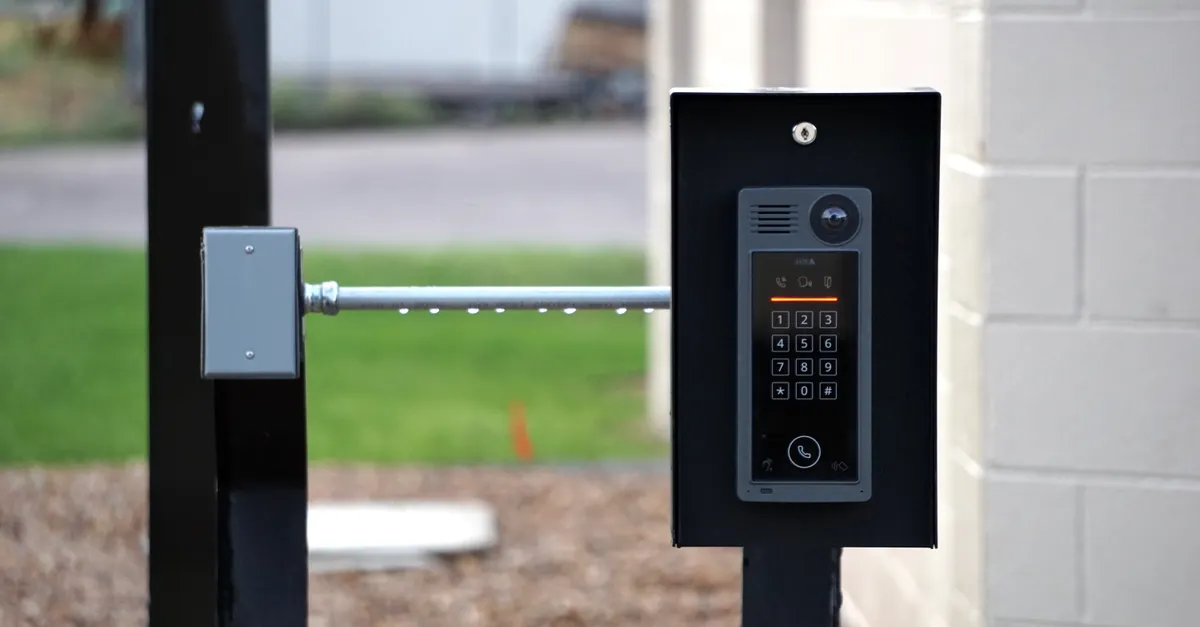
Automation is transforming the way people manage their homesteads. Remote monitoring, smart thermostats, and security cameras can all be powered by off-grid energy systems. These tools allow you to check on your property, adjust settings, and receive alerts from anywhere with a cellular or satellite connection.
For those interested in integrating advanced technology, AI smart home integration seniors offers insights into how artificial intelligence can make life easier and safer, especially for older adults or those with mobility challenges.
Building Community and Sharing Knowledge
While self-reliance is important, community remains a key part of successful off-grid living. Sharing resources, bartering, and exchanging knowledge with neighbors can make the journey more rewarding and less isolating. Online forums, local workshops, and social media groups are valuable for connecting with others who share your goals.
For a deeper dive into sustainable practices, explore regenerative living off-grid approaches that go beyond sustainability to actively restore and improve the land.
Learning from Real-World Examples
Many people have successfully transitioned to off-grid lifestyles using a blend of traditional wisdom and modern solutions. Their experiences highlight the importance of planning, adaptability, and ongoing learning. For more practical advice and stories, resources like this comprehensive guide to off-grid living provide valuable tips and inspiration.
Frequently Asked Questions
What are the first steps to starting an off-grid homestead?
Begin by assessing your goals, budget, and preferred location. Research local regulations, climate, and available resources. Start small with essential systems like water, shelter, and energy, then expand as you gain experience.
How can technology make off-grid living easier?
Modern tools such as solar panels, smart inverters, automated irrigation, and remote monitoring systems streamline daily tasks and improve efficiency. These solutions reduce manual labor and help maintain comfort and safety.
Is it possible to live off-grid in cold climates?
Yes, with proper planning. Insulated buildings, passive solar design, wood stoves, and backup generators are essential. Advances in battery storage and renewable energy make it increasingly feasible to thrive in colder regions.
Embracing modern off-grid homesteading means combining the best of both worlds: the independence and satisfaction of self-sufficiency, and the convenience and efficiency of today’s technology. With the right approach, anyone can create a resilient, rewarding lifestyle away from the grid.