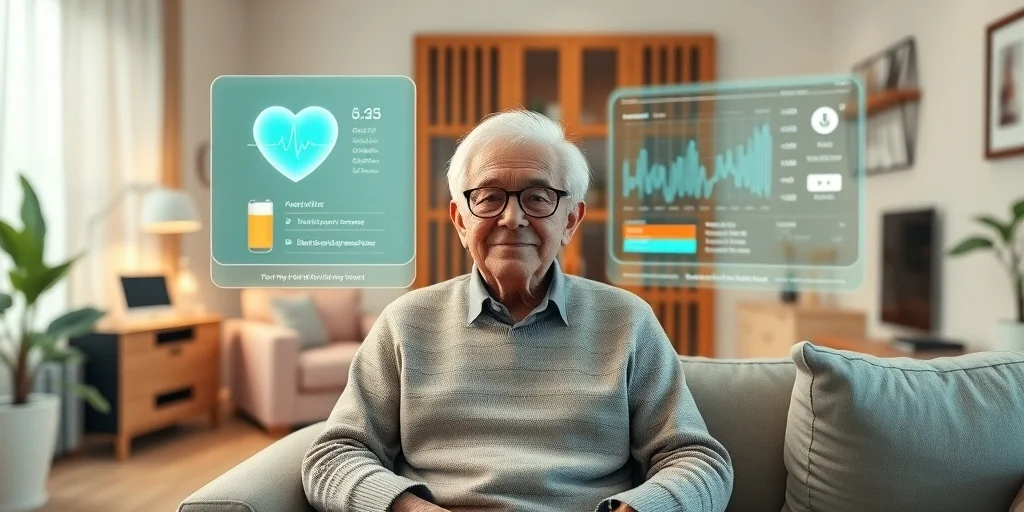
Artificial intelligence is rapidly transforming the landscape of elder support, offering innovative solutions that help seniors live safer, healthier, and more independent lives. From smart monitoring devices to personalized care recommendations, the integration of AI technologies in senior care is no longer a distant vision—it’s happening right now. This article explores practical, real-world applications of AI in the context of senior living, highlighting how these advancements are making a tangible difference for individuals, families, and care providers.
As the global population ages, the demand for effective, scalable, and compassionate care solutions continues to grow. AI-powered tools are addressing critical challenges such as fall detection, medication management, cognitive support, and remote health monitoring. By examining concrete examples and recent developments, we can better understand the benefits, limitations, and future potential of these technologies.
For those interested in exploring specific devices, our guide on AI devices for elderly living alone provides a comprehensive overview of the latest tools designed for independent seniors.
AI-Powered Monitoring and Safety Solutions
One of the most impactful uses of artificial intelligence in elder care is in the area of safety monitoring. Smart sensors and cameras equipped with AI algorithms can detect unusual movements, falls, or emergencies in real time. These systems analyze patterns in daily activity and alert caregivers or family members if something seems off, reducing response times and potentially preventing serious injuries.
For example, AI-enabled cameras can distinguish between normal movement and a potential fall, sending instant notifications to designated contacts. This technology not only provides peace of mind for families but also supports seniors who wish to remain in their own homes longer. When combined with wearable devices, such as smartwatches that track vital signs and location, these systems create a comprehensive safety net.

Personalized Health Management with AI
Another significant advancement is the use of artificial intelligence for personalized health management. AI-driven platforms can analyze medical histories, medication schedules, and lifestyle data to provide tailored recommendations for seniors. These systems help reduce medication errors, remind users to take their prescriptions, and even predict potential health risks based on real-time data.
For instance, some applications use machine learning to monitor changes in speech, mobility, or cognitive function, flagging early signs of conditions like dementia or depression. By catching these changes early, healthcare professionals and families can intervene sooner, improving outcomes and quality of life.
If you’re interested in the regulatory and ethical aspects of these technologies, our article on AI healthcare compliance seniors covers the latest standards and requirements for safe implementation in elder care environments.
Virtual Companions and Cognitive Support
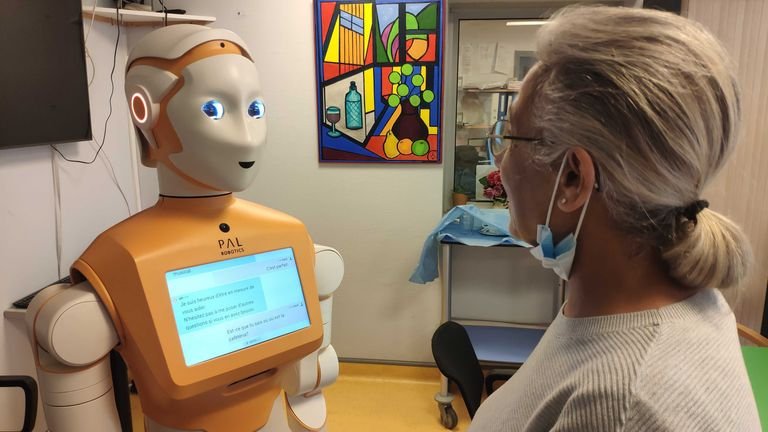
Loneliness and cognitive decline are major concerns for older adults. AI-powered virtual companions, such as voice assistants and chatbots, are being used to address these challenges. These digital helpers can engage seniors in conversation, remind them of appointments, play music, or even lead them through brain-training exercises.
Some advanced AI systems can adapt to an individual’s preferences and routines, providing a more personalized and engaging experience. This not only supports mental health but also encourages daily activity and social interaction, which are crucial for overall well-being.

AI in Assisted Living and Memory Care Facilities
Beyond private homes, artificial intelligence is also making a difference in assisted living and memory care communities. Facilities are adopting AI-powered scheduling, predictive analytics for staffing, and automated systems for monitoring residents’ health and safety. These tools help staff provide more responsive and individualized care, while also streamlining administrative tasks.
For a deeper dive into how these technologies are shaping the future of assisted living, see this comprehensive overview of AI in assisted living and memory care.
It’s also important to consider the role of AI standards for home care technology in ensuring that these solutions are safe, reliable, and accessible for all residents.
Addressing Bias and Personalization in AI for Seniors
As AI becomes more prevalent in elder care, addressing issues of bias and personalization is essential. Algorithms must be trained on diverse data sets to avoid unintentional discrimination or inaccuracies. Customization is equally important, as every senior has unique needs and preferences.
Our discussion on AI bias in elderly healthcare AI explores the risks and solutions for ensuring fair and effective care. Additionally, advances in AI personalization senior care are enabling more tailored support, from adaptive medication reminders to individualized activity suggestions.
Challenges and Considerations for Widespread Adoption
While the benefits of AI in senior care are clear, there are still challenges to overcome. Privacy concerns, data security, and the need for user-friendly interfaces are top priorities. Training caregivers and seniors to use these technologies effectively is also crucial for successful adoption.
Cost can be a barrier, especially for smaller facilities or individuals on fixed incomes. However, as technology advances and becomes more affordable, access to these life-enhancing tools is expected to expand.
Frequently Asked Questions
How does AI improve safety for seniors living alone?
AI-powered monitoring systems use sensors and cameras to detect unusual activity, such as falls or lack of movement. These systems can alert caregivers or family members in real time, enabling quick responses and reducing the risk of serious injury.
Are AI-based health management tools secure and private?
Most reputable AI health platforms use strong encryption and follow strict data privacy regulations. It’s important to choose solutions that comply with healthcare standards and allow users to control their data sharing preferences.
Can AI help with cognitive decline or loneliness in seniors?
Yes, virtual companions and cognitive support tools powered by AI can engage seniors in conversation, provide reminders, and offer brain-training activities. These tools help reduce feelings of isolation and support mental well-being.