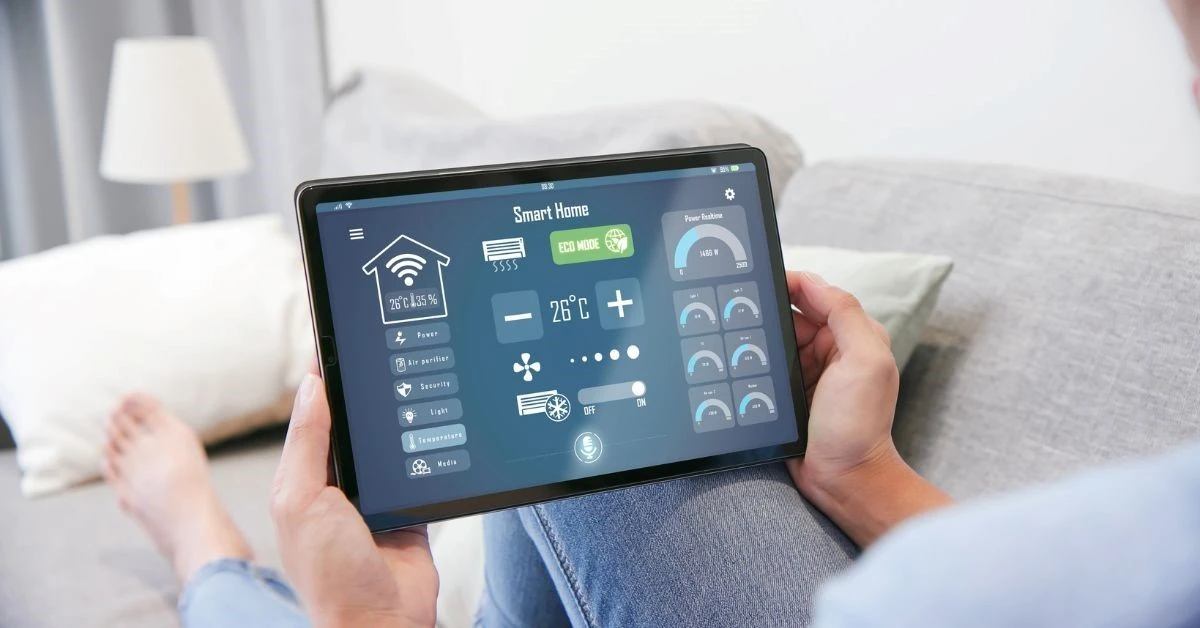
In today’s fast-paced world, the idea of controlling your home’s functions from anywhere with a simple touch is no longer a distant dream. Remote control home systems are transforming the way we interact with our living spaces, making them more efficient, secure, and convenient. For creative professionals and tech enthusiasts, understanding and implementing these systems can be a game-changer.

What Are Remote Control Home Systems?
Remote control home systems refer to the technology that allows users to manage and automate various home functions remotely. These systems integrate with your home’s infrastructure, enabling you to control lighting, heating, security, and even appliances from a smartphone or computer.
How Do They Work?
The core of remote control home systems is connectivity. These systems rely on a central hub that communicates with various devices in your home. By using Wi-Fi, Bluetooth, or other wireless technologies, the hub allows you to control devices through an app or voice commands.
Benefits of Remote Control Home Systems
Convenience
Imagine adjusting your home’s temperature while you’re still at work or turning off lights that were accidentally left on. Remote control home systems offer unparalleled convenience by allowing you to manage your home from anywhere in the world.
Energy Efficiency
By optimizing the use of energy-consuming devices, these systems help reduce your energy bills. For instance, smart thermostats learn your schedule and adjust heating or cooling when you’re not home, saving energy without sacrificing comfort.
Enhanced Security
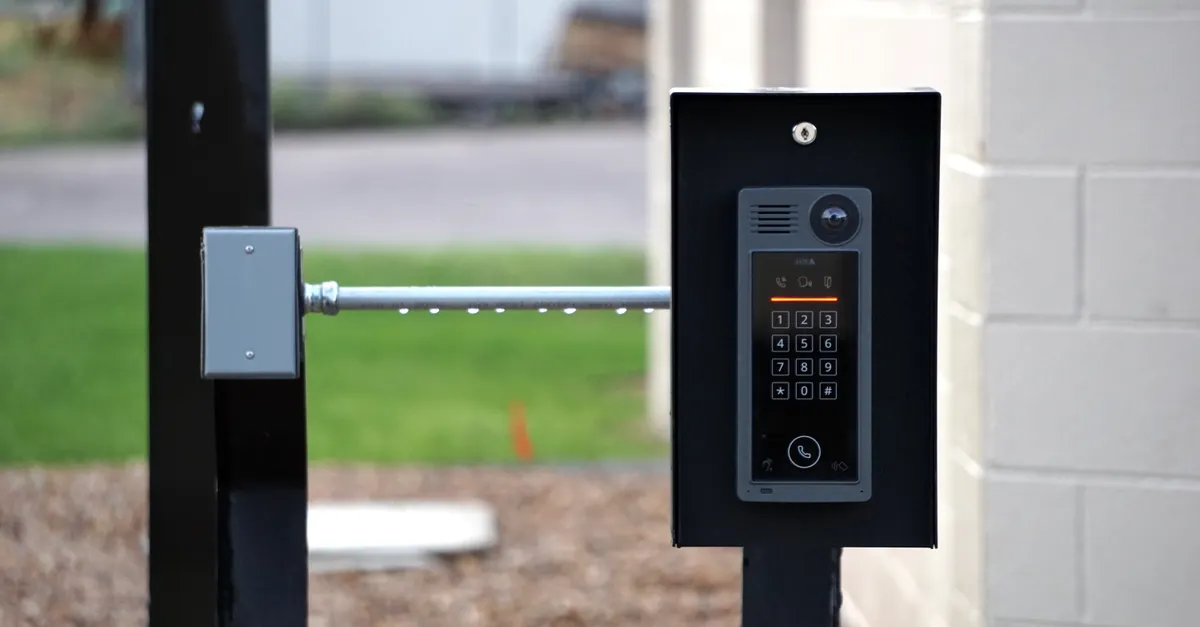
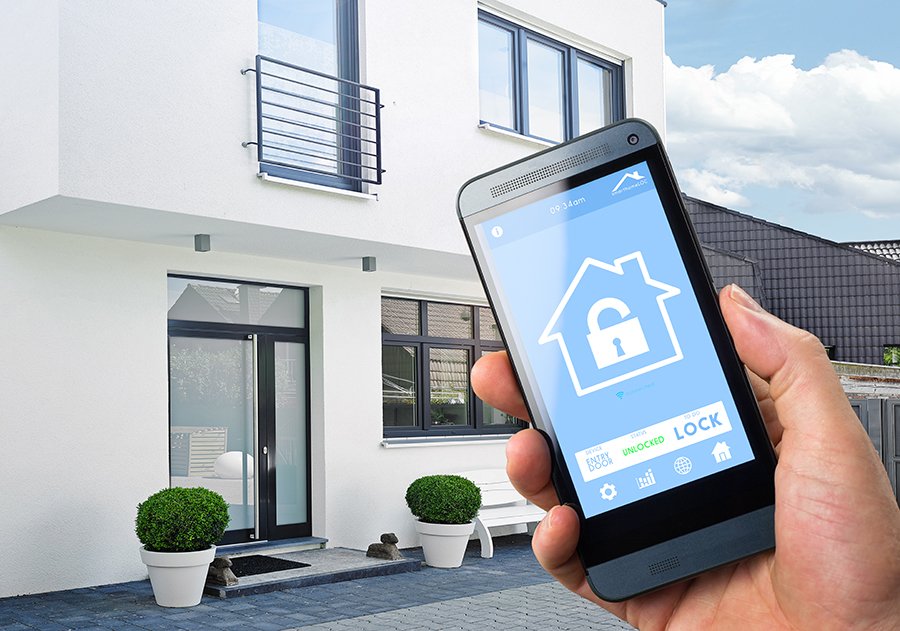
Security is a major concern for many homeowners. With remote control home systems, you can monitor your property in real-time, receive alerts about suspicious activities, and even control locks and alarms remotely.
Setting Up Remote Control Home Systems
Choosing the Right System
The first step in setting up a remote control home system is choosing the right one for your needs. Consider factors such as compatibility with existing devices, ease of use, and the specific features you require.
Installation Process
While some systems require professional installation, many are designed for DIY enthusiasts. Follow the manufacturer’s instructions for setting up the hub and connecting your devices. Ensure your Wi-Fi network is secure and robust enough to handle additional devices.
Popular Remote Control Home Systems
Smart Home Hubs
Devices like Amazon Echo, Google Nest, and Apple HomeKit serve as central hubs for your remote control home systems. They integrate with a wide range of smart devices, offering seamless control through voice commands or apps.
Smart Lighting
Smart bulbs and switches allow you to control lighting remotely. Set schedules, adjust brightness, or change colors to suit your mood without leaving your seat.
Smart Thermostats
Brands like Nest and Ecobee offer thermostats that learn your schedule and preferences, optimizing energy use while maintaining comfort.
Addressing Challenges
Network Connectivity
One common issue with remote control home systems is network connectivity. Ensure your home Wi-Fi is strong and reliable. Consider using a mesh network for better coverage.
Privacy Concerns
With more devices connected to the internet, privacy is a valid concern. Use strong passwords, enable two-factor authentication, and keep your devices updated to protect against cyber threats.
Future of Remote Control Home Systems
The future of remote control home systems looks promising, with advancements in AI and machine learning. These technologies will enable more predictive and personalized home automation, enhancing user experience.
Conclusion
Remote control home systems offer a glimpse into the future of living, where technology enhances our daily lives with convenience, efficiency, and security. As technology continues to evolve, these systems will become even more integrated into our homes, offering endless possibilities for customization and control. For more insights on how to maintain your smart home, visit our maintenance tips page. Also, check out our Raspberry Pi automation guide for DIY projects.
FAQs
What are the cost savings with remote control home systems?
By optimizing energy usage, these systems can significantly reduce utility bills over time, offering long-term savings.
Are remote control home systems secure?
Yes, when properly installed and maintained, these systems offer robust security features. Always ensure devices are updated and use strong passwords.
Can I install these systems myself?
Many remote control home systems are designed for easy DIY installation, but professional help may be required for more complex setups.