
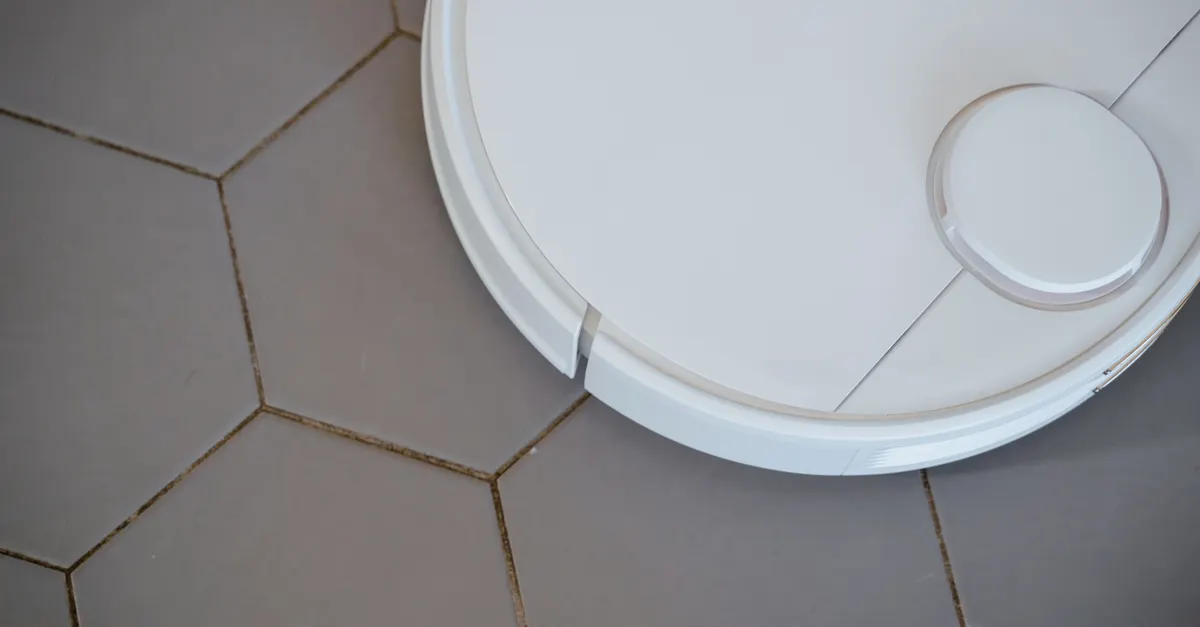
Smart home technology is no longer limited to homeowners. Renters are increasingly seeking ways to make their living spaces more efficient, comfortable, and secure without making permanent changes. The rise of smart home maintenance systems for renters brings a new level of convenience and control, allowing tenants to enjoy the benefits of automation and monitoring while respecting lease agreements and property boundaries. This guide explores the best non-invasive and cost-effective options, their advantages, and practical tips for integrating these systems into rental properties.
Understanding Smart Home Maintenance Systems in Rental Living
A smart home maintenance system refers to a collection of devices and technologies designed to automate, monitor, and manage various aspects of a living space. These systems can include sensors for detecting leaks, smart thermostats, automated lighting, and more. For renters, the appeal lies in the ability to enhance comfort and safety without requiring permanent installations or modifications that could violate lease terms. As rental markets become more competitive, these technologies are becoming increasingly relevant for tenants who want to enjoy modern conveniences without long-term commitments.
Key Benefits of Smart Home Systems for Renters
Implementing smart home maintenance systems for renters offers several tangible advantages. One of the most significant is automation. By automating routine maintenance tasks—such as scheduling HVAC filter changes or monitoring water usage—renters can prevent small issues from becoming costly problems. This level of automation is crucial for staying ahead in today’s fast-paced rental market, as it streamlines daily living and reduces the likelihood of unexpected repairs.
Another major benefit comes from the use of IoT sensors and remote diagnostics. These technologies enable real-time monitoring of environmental factors like humidity, temperature, and water leaks. If an issue is detected, renters receive instant alerts, allowing them to address problems before they escalate. This proactive approach not only protects personal belongings but also helps maintain a positive relationship with property managers by minimizing damage to the unit.
Smart home systems can also contribute to energy savings and lower utility bills. Devices such as smart thermostats and lighting systems allow renters to optimize energy use based on their schedules and preferences. For those interested in learning more about maximizing efficiency, exploring smart home maintenance systems for energy savings can provide additional insights.
Non-Invasive Smart Home Technologies Suitable for Renters
A common concern among renters is the risk of violating lease agreements by making permanent changes to the property. Fortunately, many smart home solutions are specifically designed to be non-invasive and easy to install—and just as easy to remove when moving out.
- Plug-and-Play Devices: Smart plugs, portable security cameras, and wireless sensors can be set up without drilling holes or rewiring. These devices simply plug into existing outlets or adhere to surfaces with removable adhesives.
- Battery-Powered Sensors: Leak detectors, smoke alarms, and motion sensors powered by batteries are ideal for renters, as they require no hardwiring and can be relocated as needed.
- Smart Locks with No-Drill Installation: Some smart locks are designed to fit over existing deadbolts, allowing renters to upgrade security without replacing hardware or damaging doors.
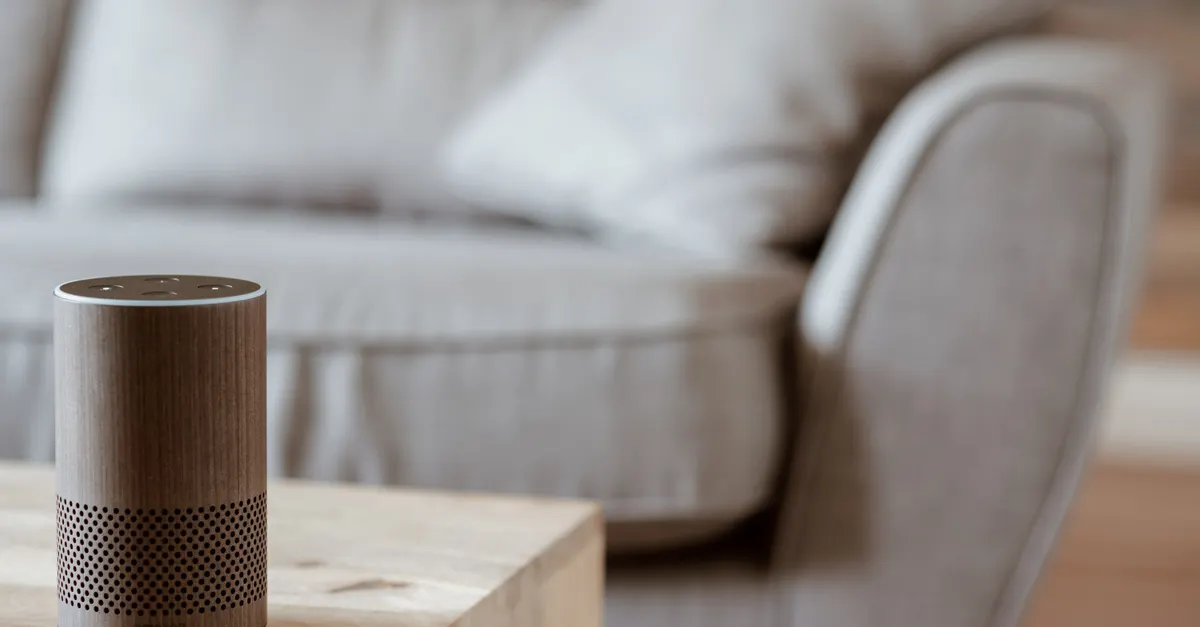
- Voice Assistants and Hubs: Devices like smart speakers can control multiple smart home products through voice commands, providing centralized management without any installation.
These renter-friendly technologies make it possible to enjoy the benefits of a connected home while ensuring compliance with lease restrictions. When moving out, these devices can be removed without leaving a trace, making them a practical investment for tenants.
Affordable Smart Home Solutions for Tenants
Cost is often a major consideration for renters, who may be hesitant to invest heavily in a property they do not own. Fortunately, there are many cost-effective smart home solutions available that deliver value without breaking the bank.
- Smart Plugs: These affordable devices allow renters to control lamps, fans, and appliances remotely or on a schedule, helping to reduce energy waste.
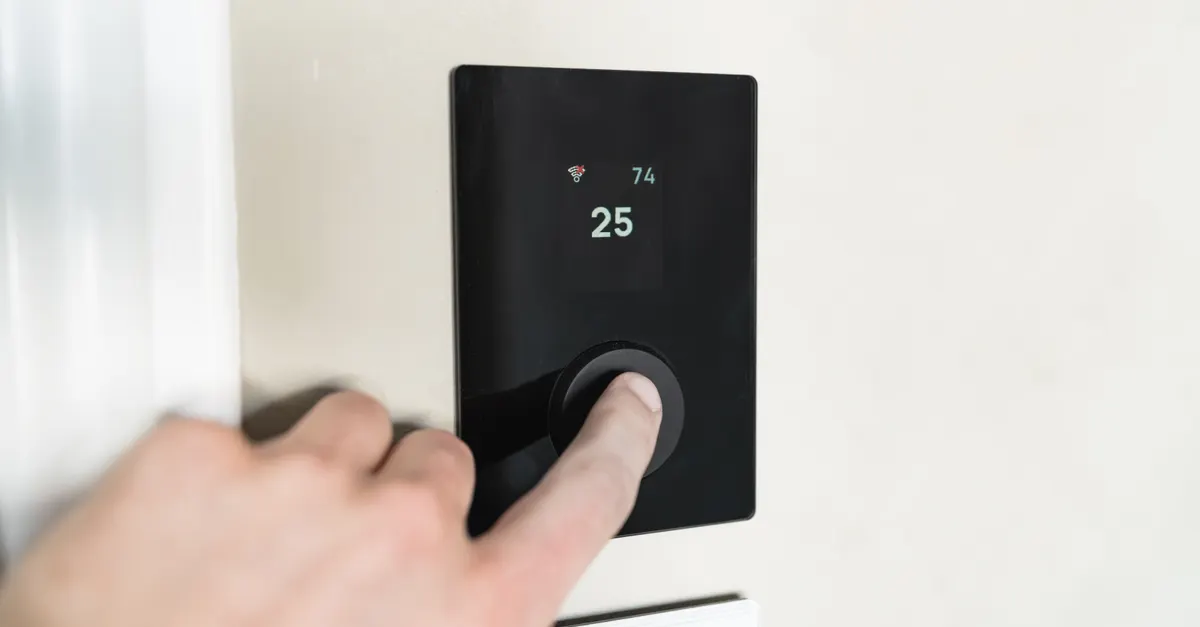
- Entry-Level Smart Thermostats: Some models are designed for easy DIY installation and can be moved from one rental to another, offering energy savings and improved comfort.
- Portable Security Cameras: Wireless cameras provide peace of mind and can be used indoors or outdoors. Many offer cloud storage and mobile alerts without requiring professional installation.
- Water Leak Detectors: These small, battery-powered devices can be placed near sinks, toilets, or washing machines to alert renters to leaks before they cause significant damage.
- Smart Light Bulbs: Swapping out standard bulbs for smart versions allows renters to control lighting with their phones or voice assistants, often for less than the cost of a dinner out.
By focusing on portable and multi-use devices, renters can build a personalized smart home ecosystem that moves with them from one property to the next. This approach ensures that investments in technology continue to pay off, regardless of changes in living arrangements.
Challenges and Limitations for Renters Using Smart Home Systems
While the advantages are clear, there are some limitations and challenges that renters should consider before adopting smart home maintenance systems. The most common issues include:
- Installation Restrictions: Many leases prohibit drilling, rewiring, or making permanent changes. Renters must choose products that are explicitly designed for temporary installation.
- Privacy Concerns: Some smart devices collect data about usage patterns or environmental conditions. Renters should review privacy policies and consider devices that store data locally or offer robust privacy controls.
- Integration with Existing Infrastructure: Not all rental properties are equipped with the latest wiring or Wi-Fi capabilities. Renters may need to invest in Wi-Fi extenders or choose devices that operate independently of the building’s infrastructure.
- Cost vs. Benefit: While many smart home products are affordable, the costs can add up. Renters should prioritize devices that offer the greatest return on investment, such as those that prevent costly damage or reduce monthly bills.
- Landlord Approval: Even non-invasive devices may require notification or approval from property management, especially if they involve security features or shared spaces.
Despite these challenges, most obstacles can be overcome with careful planning and open communication with landlords. Renters should always check their lease agreements and consult with property managers before installing any new technology.
Conclusion: Making Smart Home Maintenance Work for Renters
Embracing smart home maintenance systems for renters is an effective way to enhance comfort, security, and efficiency in any rental property. By focusing on non-invasive, cost-effective solutions, tenants can enjoy the benefits of modern technology without risking their deposits or violating lease terms. As the market for renter-friendly smart home devices continues to grow, it’s easier than ever to find products that fit both your budget and your living situation. With a thoughtful approach, renters can create a connected home environment that adapts to their needs—no matter where they live.
Frequently Asked Questions
Can renters install smart home devices without landlord approval?
Most non-invasive smart home devices, such as plug-in sensors or portable cameras, do not require permanent installation and can often be used without landlord approval. However, it’s always best to review your lease agreement and communicate with your landlord before adding any new technology, especially if it affects shared spaces or security.
What are the best smart home devices for renters on a budget?
Affordable options include smart plugs, portable security cameras, battery-powered leak detectors, and smart light bulbs. These devices are easy to install, require no permanent changes, and can be taken with you when you move.
How can smart home systems help renters save money?
Smart home systems can help renters reduce energy usage through automated lighting and thermostats, prevent costly water damage with leak detectors, and avoid unnecessary repairs by providing early warnings for maintenance issues. These savings can quickly offset the initial cost of the devices.




