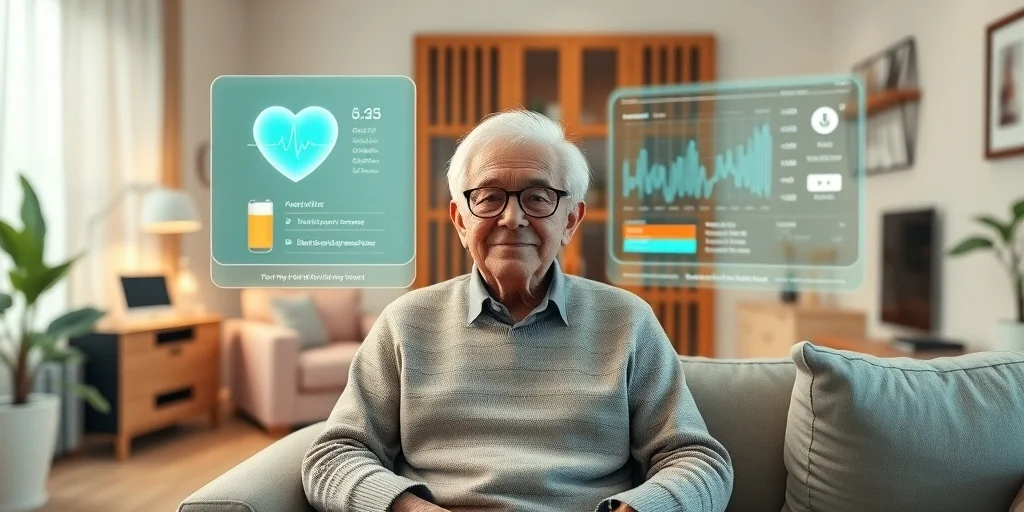
In today’s rapidly advancing technological landscape, voice control in home automation is transforming the way we interact with our living spaces. The integration of voice-activated systems and devices is not only enhancing convenience but also revolutionizing our daily routines. As we delve into this fascinating topic, we will explore the benefits, applications, and future prospects of this transformative technology.
Understanding Voice Control in Home Automation
At its core, voice control in home automation refers to the use of voice commands to manage and control various aspects of a smart home. This technology leverages voice recognition software and devices equipped with virtual assistants like Amazon’s Alexa, Google Assistant, and Apple’s Siri. By using natural language processing and machine learning algorithms, these devices can understand and respond to human commands, allowing for seamless interaction with smart home systems.
Benefits of Voice Control in Home Automation
The integration of voice control in smart homes offers numerous advantages:
- Convenience: With voice control, users can effortlessly manage their home environment without needing to physically interact with devices. This hands-free operation is particularly beneficial for individuals with mobility challenges.
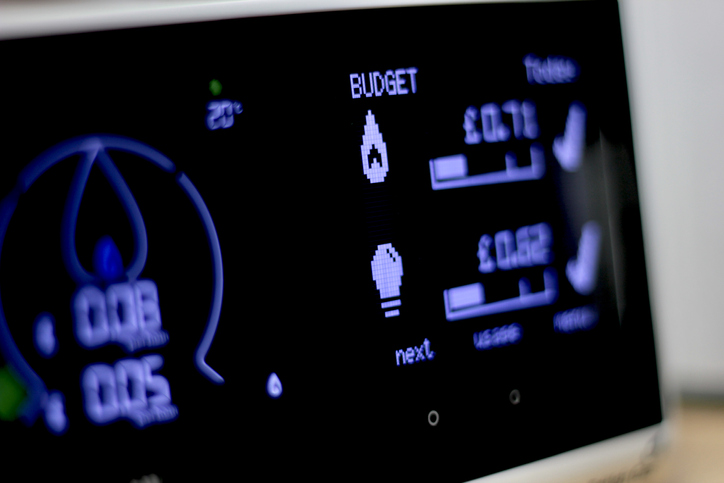
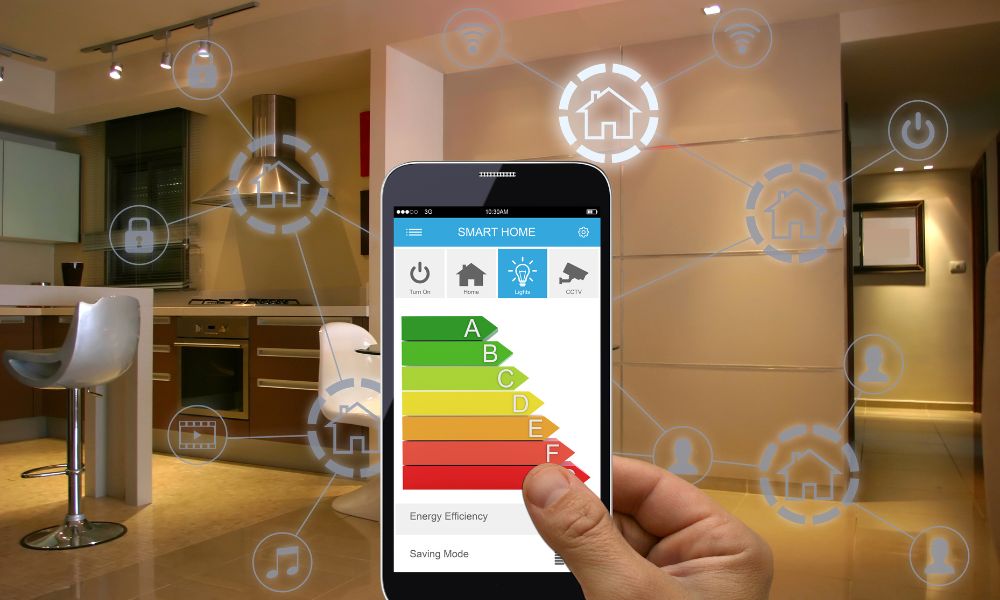
- Energy Efficiency: Voice-activated systems can optimize energy consumption by adjusting lighting, heating, and cooling based on user preferences and occupancy.
- Enhanced Security: Voice control can enhance home security by allowing users to lock doors, monitor security cameras, and receive real-time alerts through their voice-activated devices.
- Accessibility: Voice control technology empowers individuals with disabilities to perform tasks independently, promoting inclusivity and improving quality of life.
Applications of Voice Control in Smart Homes
Voice control technology is versatile and can be applied to various aspects of home automation:
- Lighting: Users can adjust lighting levels, change colors, or create schedules using voice commands.
- Climate Control: Voice commands can regulate temperature settings, ensuring optimal comfort throughout the home.
- Entertainment Systems: Users can control audio and video devices, stream music, and even search for content using voice commands.
- Kitchen Appliances: Voice control enables users to operate smart kitchen appliances, such as ovens, refrigerators, and coffee makers, with ease.
- Security Systems: Voice commands can arm or disarm security systems, providing an added layer of convenience and safety.
The Future of Voice Control in Home Automation
The future of voice control in home automation holds exciting possibilities. As technology continues to evolve, we can expect the following advancements:
- Improved Accuracy: Ongoing advancements in natural language processing and machine learning will enhance the accuracy and responsiveness of voice-activated systems.
- Integration with AI: The integration of voice control with artificial intelligence (AI) will enable more personalized and intuitive interactions, adapting to users’ preferences and habits.
- Expanded Ecosystem: The ecosystem of voice-activated devices and applications will continue to grow, offering users a wider range of options and functionalities.
- Privacy and Security Enhancements: As voice control becomes more prevalent, developers will prioritize privacy and security measures to protect users’ data and ensure a safe experience.
Real-Life Examples of Voice Control in Home Automation
Several real-life examples demonstrate the impact of voice control in home automation on modern living. For instance, homeowners can use voice commands to adjust lighting and temperature settings, create personalized routines, and even receive voice alerts for security breaches. Additionally, smart speakers equipped with virtual assistants allow users to control music playback, answer questions, and manage daily schedules using voice commands alone.
Challenges and Considerations
While voice control in home automation offers numerous benefits, there are challenges and considerations to keep in mind:
- Privacy Concerns: Voice-activated devices continuously listen for commands, raising potential privacy concerns. Users should be aware of data collection practices and take steps to protect their privacy.
- Compatibility Issues: Not all smart home devices are compatible with every voice assistant, so users need to ensure their devices can communicate effectively.
- Learning Curve: Some users may face a learning curve when adapting to voice control technology, requiring time and effort to become comfortable with the system.
Getting Started with Voice Control in Home Automation
For those interested in embracing voice control in home automation, here are some steps to get started:
- Research: Begin by researching available voice-activated devices and virtual assistants that align with your needs and preferences.
- Device Selection: Choose compatible smart home devices that can be integrated with your chosen voice assistant.
- Setup and Configuration: Follow the manufacturer’s instructions to set up and configure your voice-activated system, ensuring all devices are connected and functioning properly.
- Explore Features: Take the time to explore the various features and capabilities of your voice control system, experimenting with different commands and routines.
Conclusion: Embracing the Future with Voice Control in Home Automation
In conclusion, voice control in home automation is revolutionizing the way we interact with our living environments. This technology offers unparalleled convenience, efficiency, and accessibility, making it an invaluable addition to modern homes. As the technology continues to evolve, we can look forward to even more innovative applications and enhancements, further transforming our daily lives.
FAQ
How does voice control work in home automation?
Voice control in home automation works by using voice recognition software and virtual assistants to interpret and respond to voice commands. These systems use natural language processing and machine learning algorithms to understand and execute user instructions.
What are the benefits of using voice control in smart homes?
Benefits of using voice control in smart homes include increased convenience, energy efficiency, enhanced security, and improved accessibility for individuals with disabilities.
Are there any privacy concerns with voice-activated devices?
Yes, privacy concerns exist with voice-activated devices as they continuously listen for commands. Users should be aware of data collection practices and take steps to protect their privacy.
For more information on the benefits of home automation, visit this external resource.