The world’s population is aging rapidly, and with it comes an urgent need for innovative solutions to support older adults in living healthier, safer, and more independent lives. Artificial intelligence (AI) is emerging as a transformative force in the field of senior care, offering new ways to monitor health, enhance safety, and improve quality of life. But what is AI in elderly care, and how does it work in real-world settings?
This article breaks down the basics of AI-powered technologies for seniors, explores their practical applications, and highlights both the benefits and challenges of adopting these tools. Whether you’re a family member, caregiver, or simply curious about the future of aging, you’ll find clear answers and actionable insights here.

As you explore the possibilities of AI for seniors, you may also be interested in related topics such as are AI robots safe around kids or how can AI gadgets reduce household workload in everyday life.
Understanding Artificial Intelligence in Senior Support
At its core, AI in elderly care refers to the use of computer systems that can analyze data, recognize patterns, and make decisions to assist older adults and their caregivers. These systems often combine machine learning, natural language processing, and sensor technology to deliver personalized support. Unlike traditional tools, AI-powered solutions can adapt to individual needs, learn from behavior, and even predict potential health issues before they become emergencies.
Some common examples of AI in this context include:
- Smart home devices that detect falls or unusual movement patterns
- Wearable health monitors that track heart rate, sleep, and activity
- Virtual assistants that remind users to take medication or attend appointments
- Remote monitoring platforms that alert caregivers to changes in health status
- Robotic companions that provide social interaction and cognitive stimulation
Key Applications of AI for Older Adults
The integration of AI into senior care is already reshaping how support is delivered at home, in assisted living, and within healthcare systems. Here are some of the most impactful uses:
1. Health Monitoring and Predictive Analytics
Wearable devices and smart sensors powered by AI can continuously monitor vital signs, detect irregularities, and alert caregivers or medical professionals when intervention is needed. For example, AI algorithms can analyze patterns in heart rate or movement to predict falls or early signs of illness. This proactive approach helps prevent hospitalizations and supports aging in place.
2. Safety and Emergency Response
AI-enabled cameras and sensors can identify emergencies such as falls, wandering, or unusual inactivity. These systems can automatically notify family members or emergency services, reducing response times and improving outcomes. Some smart home setups also use AI to control lighting, temperature, and security, making environments safer and more comfortable for seniors.
3. Social Engagement and Cognitive Support
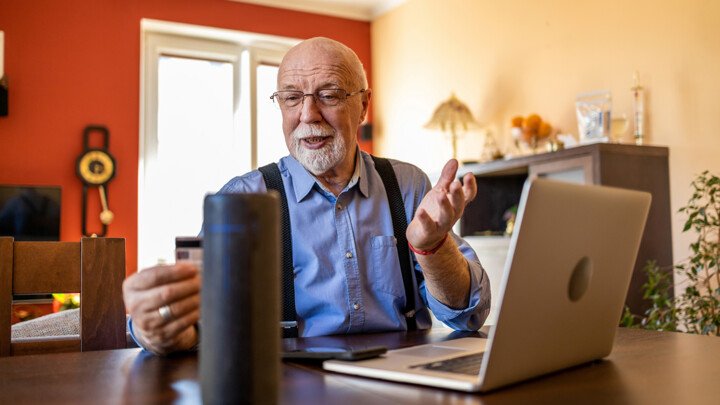
Loneliness and cognitive decline are common challenges for older adults. AI-powered virtual companions and interactive robots can provide conversation, reminders, and even games designed to stimulate memory and thinking skills. These technologies help reduce isolation and support mental well-being.
How AI Is Transforming Remote Health and Daily Living
One of the most promising aspects of AI in senior care is its ability to enable remote health management. By collecting and analyzing data from wearables, home sensors, and connected devices, AI can help healthcare providers deliver personalized care without requiring frequent in-person visits.

For example, AI-driven platforms can flag early warning signs of chronic conditions, remind users about medication schedules, and provide real-time feedback to both patients and clinicians. This not only improves health outcomes but also empowers seniors to take a more active role in their own care.
If you’re interested in the broader impact of smart devices, you might want to learn about how do AI weather stations use AI or explore how do AI alarms reduce false alerts for home safety.
Benefits and Limitations of AI in Senior Care
Advantages
- Increased Independence: AI tools support seniors in living at home longer by automating daily tasks and monitoring health.
- Enhanced Safety: Real-time alerts and predictive analytics help prevent accidents and medical emergencies.
- Personalized Care: AI systems adapt to individual needs, offering tailored reminders, routines, and health insights.
- Reduced Caregiver Burden: Automated monitoring and assistance free up time for family members and professionals.
Challenges
- Privacy Concerns: Collecting sensitive health and behavioral data raises important questions about security and consent.
- Technology Adoption: Some older adults may find new devices intimidating or difficult to use without support.
- Cost and Access: Advanced AI solutions can be expensive and may not be available to everyone.
- Reliability: No system is perfect—false alarms or missed alerts can still occur.
For a deeper dive into the scientific research behind these technologies, see this comprehensive review of AI applications in elderly care.
Ethical Considerations and the Future of AI for Seniors
As AI becomes more integrated into senior care, ethical issues must be addressed. These include ensuring informed consent, maintaining data privacy, and designing systems that respect the dignity and autonomy of older adults. Collaboration between technology developers, healthcare providers, and the aging community is essential to create solutions that are both effective and trustworthy.
Looking ahead, advances in AI are likely to bring even more sophisticated tools—such as predictive diagnostics, adaptive home environments, and emotionally intelligent robots. The goal is to create a future where older adults can enjoy greater independence, connection, and well-being.
Frequently Asked Questions
How does AI improve safety for seniors living alone?
AI-powered sensors and cameras can detect falls, wandering, or inactivity and automatically alert caregivers or emergency services. This rapid response capability reduces the risk of serious injury and helps seniors remain safe in their own homes.
Are AI devices difficult for older adults to use?
Many modern AI tools are designed with user-friendly interfaces, voice controls, and simple setup processes. However, some seniors may still need initial training or ongoing support to use these devices comfortably.
What are the privacy risks associated with AI in elderly care?
Since AI systems often collect sensitive health and behavioral data, privacy and data protection are important concerns. It’s crucial to choose reputable products, understand what data is being collected, and ensure that information is stored securely and used responsibly.
Can AI help with medication management for older adults?
Yes, AI-powered reminders and smart pill dispensers can prompt users to take medications on time and notify caregivers if doses are missed. This helps reduce errors and supports adherence to treatment plans.
Conclusion
The integration of AI technologies in elderly care is opening up new possibilities for supporting health, safety, and independence as we age. By understanding the basics, exploring practical applications, and considering both the benefits and challenges, families and caregivers can make informed decisions about adopting these innovative solutions. As the field continues to evolve, AI will play an increasingly important role in shaping the future of aging and caregiving.