
Modern parenting often involves balancing peace of mind with the demands of daily life. As technology advances, many families are turning to smarter solutions for keeping an eye on their little ones. Among these innovations, AI-powered baby monitors are gaining popularity for their ability to offer more than just live video feeds. These devices use artificial intelligence to analyze sounds, movements, and even vital signs, helping parents respond quickly and confidently to their baby’s needs.
Understanding the features and benefits of these smart monitors can help you decide if they’re the right fit for your home. In this article, we’ll break down how AI-driven monitoring works, what sets it apart from traditional options, and what to consider before making a purchase. If you’re interested in exploring broader smart home solutions, you might also find value in learning about ai home automation programming basics for a more connected household.
How AI Baby Monitors Work
Unlike standard video monitors, AI-powered models use advanced algorithms to interpret the data they collect. These devices typically include cameras, microphones, and sometimes sensors that track breathing or movement. The artificial intelligence component processes this information in real time, recognizing patterns and alerting parents to unusual activity.
For example, if the monitor detects irregular breathing, excessive crying, or a lack of movement, it can send a notification to your smartphone. Some models even analyze sleep quality, providing insights into your baby’s rest patterns. This proactive approach helps parents address issues before they escalate, making AI monitors a valuable addition to the nursery.
Key Features of Smart Baby Monitoring Devices
When considering a smart baby monitor, it’s helpful to understand the range of features available. Here are some of the most common and useful capabilities:
- Real-time alerts: Receive instant notifications for crying, movement, or changes in breathing patterns.
- Sleep tracking: AI algorithms monitor sleep cycles, helping you identify trends and optimize bedtime routines.
- Two-way audio: Communicate with your baby remotely, soothing them without entering the room.
- Video analytics: Some monitors use facial recognition or motion detection to distinguish between your baby and other objects.
- Environmental monitoring: Track temperature, humidity, and air quality to ensure a comfortable nursery environment.
Many of these features are designed to reduce false alarms and provide more actionable information than traditional monitors. As a result, parents can focus on what matters most—caring for their child—while the technology handles the routine observation and analysis.
Benefits of Using AI-Driven Baby Monitors
AI-enabled monitors offer several advantages over conventional models. Here are some of the main benefits:
- Enhanced peace of mind: With real-time analysis and alerts, parents can rest easier knowing they’re informed about their baby’s well-being.
- Reduced false alarms: By distinguishing between normal and concerning activity, these devices help minimize unnecessary interruptions.
- Actionable insights: Sleep and activity tracking can reveal patterns that support better care and healthier routines.
- Remote access: Many AI monitors connect to mobile apps, allowing parents to check in from anywhere.
- Integration with smart home systems: Some models work with broader home automation platforms, making it easier to manage multiple devices from a single interface.
For families already interested in ai home automation for energy storage or other connected home solutions, these monitors can be a natural extension of an intelligent living environment.
Comparing AI Monitors to Traditional Baby Monitors
While both types of monitors provide audio and video feeds, AI-powered options stand out for their ability to interpret and act on the information they collect. Traditional monitors often require parents to watch or listen constantly, while smart models can proactively notify you only when something requires attention.
Another key difference is the level of detail provided. AI monitors may offer summaries of sleep quality, breathing patterns, and even suggestions for improving your baby’s comfort. This data-driven approach can be especially helpful for new parents seeking guidance and reassurance.
However, it’s important to note that these advanced features often come at a higher price point. Consider your family’s needs and budget when deciding which type of monitor is best for you.

Privacy and Security Considerations
With any device that collects and transmits data, privacy is a valid concern. AI baby monitors often connect to Wi-Fi and store information in the cloud, which means it’s important to choose products from reputable brands that prioritize security. Look for features like encrypted data transmission, secure user authentication, and regular firmware updates.
It’s also wise to review privacy policies and understand what data is collected, how it’s used, and whether it’s shared with third parties. Taking these steps can help you enjoy the benefits of smart monitoring while keeping your family’s information safe.
Integrating AI Monitors with Your Smart Home
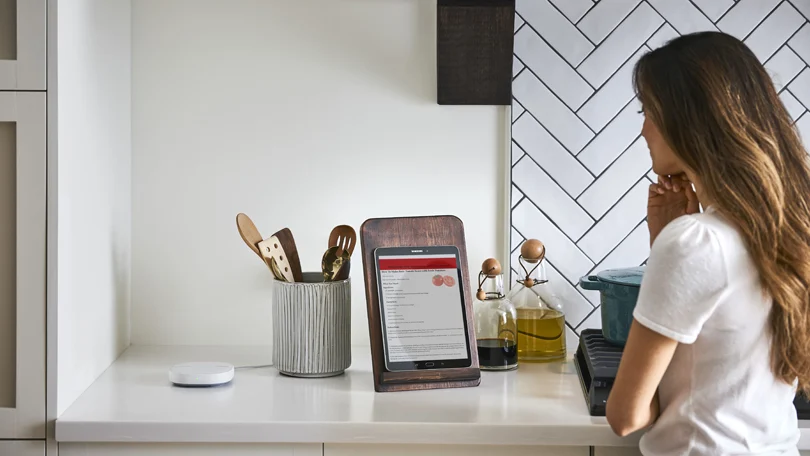
Many AI baby monitors are designed to work seamlessly with other smart home devices. For example, you might connect your monitor to a smart speaker for hands-free updates or link it with a thermostat to automatically adjust the nursery temperature based on your baby’s comfort. If you’re interested in more advanced integrations, exploring topics like ai predictive analytics in smart homes can reveal additional ways to enhance your living space.
Some families also use AI-driven monitors as part of a broader home safety system, combining them with sensors for smoke, carbon monoxide, or water leaks. This holistic approach can provide greater peace of mind and streamline daily routines.
What to Look for When Choosing an AI Baby Monitor
With a growing number of options on the market, selecting the right smart monitor can feel overwhelming. Here are a few factors to consider:
- Accuracy of AI features: Read reviews and research how well the monitor detects and interprets key events.
- App reliability: A user-friendly, stable app is essential for receiving timely alerts and accessing data.
- Camera quality: High-definition video and night vision improve visibility, especially in low-light conditions.
- Security protocols: Ensure the device uses strong encryption and offers regular software updates.
- Compatibility: Check if the monitor integrates with your existing smart home ecosystem.
- Customer support: Responsive support can be invaluable if you encounter technical issues.
Taking the time to compare features and prioritize what’s most important for your family will help you make an informed decision.
AI in the Broader Context of Home Technology
AI-powered baby monitors are just one example of how artificial intelligence is transforming home life. From smart thermostats to predictive analytics, these technologies are making it easier to manage daily routines and improve comfort. For a deeper dive into how AI is shaping household appliances and routines, you can explore resources like this overview of AI home appliances and technology.
As AI continues to evolve, we can expect even more advanced features and integrations, making smart homes safer, more efficient, and more responsive to our needs.
FAQ
Are AI baby monitors safe to use?
Most AI baby monitors are designed with safety in mind, using encrypted data transmission and secure authentication. However, it’s important to choose reputable brands, keep firmware updated, and use strong passwords to minimize risks.
Do AI monitors replace the need for parental supervision?
No device can replace attentive parenting. AI monitors are tools that provide additional information and alerts, but they should be used as a supplement to, not a substitute for, direct supervision.
Can AI baby monitors help with sleep training?
Many smart monitors offer sleep tracking and analysis, which can help parents identify patterns and adjust routines for better rest. While they provide useful insights, successful sleep training still depends on consistent parenting practices.