
The world of home maintenance is undergoing a transformation, thanks to the rapid development of automated home maintenance robots. These intelligent machines are designed to take on a variety of household chores, from cleaning floors to mowing lawns, making daily life more convenient and efficient. As technology continues to advance, more homeowners are considering these robots as practical solutions for routine upkeep. In this article, we’ll explore the types of domestic robots available, the latest technological breakthroughs, cost considerations, consumer feedback, and what the future may hold for this fast-growing sector.
Understanding Domestic Robots for Home Maintenance
Domestic robots are a category of service robots specifically engineered to handle household tasks. Their primary goal is to automate repetitive or time-consuming chores, freeing up time for homeowners. The concept has gained significant traction in recent years, as busy lifestyles and a desire for convenience drive demand for smarter home solutions. These robots are no longer limited to simple vacuuming; they now cover a broad spectrum of maintenance activities, making them increasingly relevant in modern households.
Types of Automated Home Maintenance Robots
There is a diverse range of automated home maintenance robots available on the market today, each designed to tackle specific tasks. The most common types include:
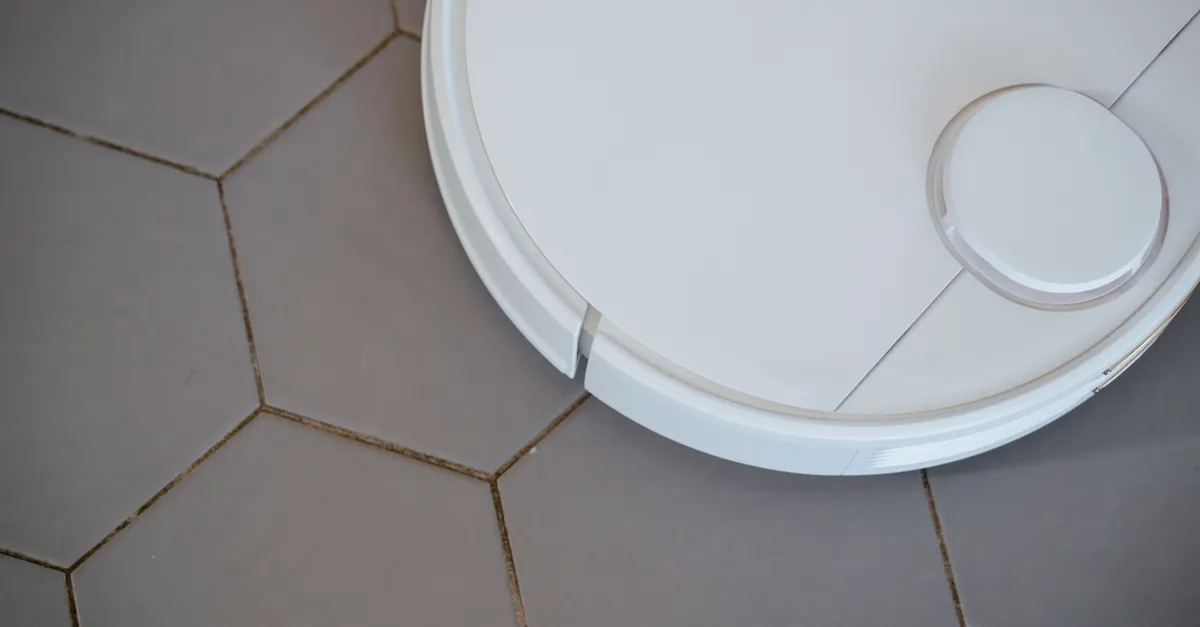
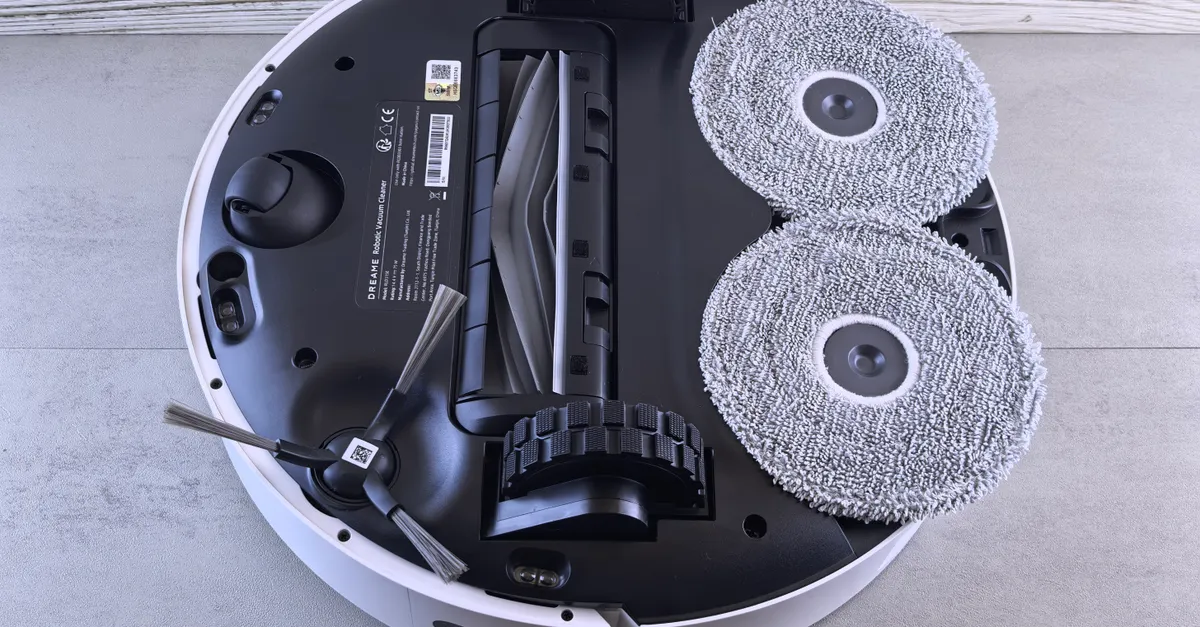
- Robotic vacuum cleaners: These devices autonomously navigate floors, using sensors and mapping technology to clean carpets and hard surfaces. They are among the earliest and most widely adopted home robots, as detailed in the Wikipedia article on robotic vacuum cleaners.
- Robotic lawn mowers: Designed to maintain lawns with minimal human intervention, these robots can handle regular mowing schedules, avoid obstacles, and return to their charging stations automatically.
- Window cleaning robots: These machines attach to glass surfaces and use suction or magnets to clean windows, making them especially useful for multi-story homes or hard-to-reach areas.
- Pool cleaning robots: Built to scrub and vacuum pools, these robots reduce the manual effort required to keep swimming areas clean and safe.
- Specialized robots: Innovations like the NEO and Eggie robots are expanding the range of tasks that can be automated, including tidying up toys, folding laundry, or even organizing household items.
As the field evolves, new types of robots are emerging to address more complex or niche chores, further enhancing the appeal of automated home maintenance.
Technological Advancements Powering Home Robots
The capabilities of home robots have grown rapidly due to advances in artificial intelligence, sensor technology, and machine learning. Modern robots are equipped with features such as:
- AI-powered navigation: Robots like NEO and Eggie use sophisticated algorithms to map their environment, avoid obstacles, and optimize cleaning or maintenance routes.
- Voice and app control: Integration with smart home systems allows users to control robots via voice assistants or mobile apps, making operation more intuitive.
- Self-charging and scheduling: Many models can return to their charging docks automatically and follow pre-set schedules, ensuring consistent performance without manual intervention.
- Object recognition: Some advanced robots can identify and interact with specific household items, enabling them to perform more complex tasks beyond basic cleaning.
These advancements are not only making robots more effective but also expanding their potential applications. As research and development continue, we can expect even greater autonomy and versatility from future home maintenance robots.
Cost and Affordability: What to Expect
One of the most important considerations for potential buyers is the cost of automated home maintenance robots. Prices can vary significantly depending on the type, brand, and features offered:
- Entry-level robotic vacuum cleaners may start at a few hundred dollars, offering basic cleaning capabilities and limited smart features.
- Mid-range models with advanced navigation, app integration, and multi-surface cleaning typically range from $400 to $800.
- High-end robots, such as those with AI-powered mapping, object recognition, and multi-functionality, can exceed $1,000.
- Robotic lawn mowers and pool cleaners often fall within the $700 to $2,500 range, depending on lawn or pool size and complexity.
While the upfront investment may seem substantial, many homeowners find these robots cost-effective over time. They reduce the need for professional cleaning or landscaping services and help maintain property value by ensuring regular upkeep. Additionally, as technology matures and competition increases, prices are expected to become more accessible.
For a broader look at how these costs compare to traditional approaches, you might find it helpful to review the benefits of automated home maintenance in terms of time and money saved.
Consumer Perceptions and Real-World Effectiveness
Understanding how these robots perform in everyday settings is crucial for potential buyers. Consumer feedback highlights several key points:
- Convenience and time savings: Most users appreciate the ability to delegate routine chores, freeing up time for other activities.
- Performance consistency: Robotic vacuums and mowers are generally praised for their reliability, though their effectiveness can depend on home layout and maintenance needs.
- Ease of use: The integration with smart home platforms and intuitive controls are commonly cited as positive features.
- Limitations and challenges: Some users note that robots may struggle with cluttered spaces, tangled cords, or complex room layouts. Maintenance, such as emptying dustbins or cleaning brushes, is still required.
- Customer support and durability: Experiences vary by brand, with some consumers reporting excellent support and long-lasting devices, while others encounter issues with repairs or replacements.
Overall, satisfaction rates are high among those who set realistic expectations and select robots suited to their specific needs. As technology improves, many of the current limitations are being addressed, leading to even greater consumer confidence in automated solutions.
Market Trends and What Lies Ahead
The market for automated home maintenance robots is expanding rapidly, driven by increasing demand for convenience and smart home integration. Some notable trends include:
- Growth in product variety: Beyond robotic vacuum cleaners and lawn mowers, new robots are emerging for tasks like window cleaning, laundry folding, and even pet care.
- Enhanced connectivity: More robots are being designed to work seamlessly with other smart home devices, creating a unified ecosystem for home automation.
- Focus on sustainability: Manufacturers are developing energy-efficient robots and exploring eco-friendly materials to appeal to environmentally conscious consumers.
- Wider adoption: As prices decrease and features improve, adoption rates are expected to rise, making these robots a common fixture in homes worldwide.
Robotic lawn mowers and vacuums remain among the most popular choices, but the future promises even more specialized and capable devices. Innovations in AI, machine learning, and sensor technology will likely lead to robots that can handle increasingly complex tasks with minimal supervision.
Conclusion: The Impact of Home Maintenance Robots
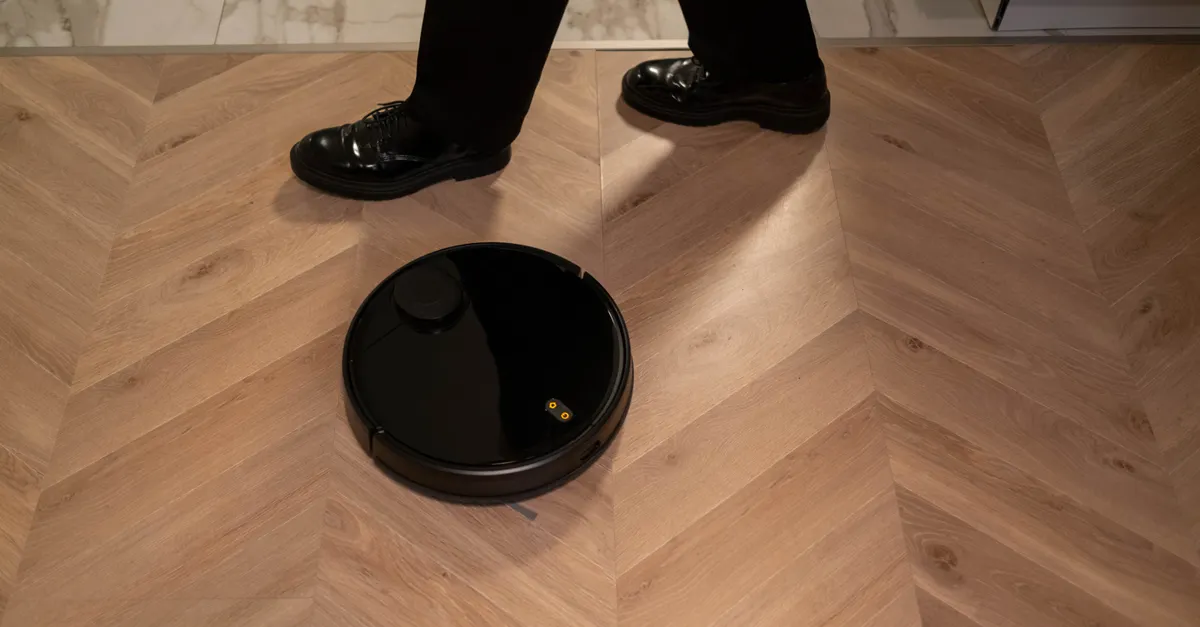
Automated home maintenance robots are reshaping the way households approach chores and upkeep. With a growing range of options, advanced features, and increasing affordability, these machines offer practical benefits for busy families and individuals alike. While there are still challenges to overcome—such as adapting to unique home environments and further reducing costs—the overall trajectory is clear: home robots are set to become an integral part of everyday living, offering convenience, efficiency, and peace of mind.
Frequently Asked Questions
What types of household tasks can automated robots handle?
Most automated home maintenance robots are designed for tasks like vacuuming, mopping, lawn mowing, window cleaning, and pool maintenance. Some newer models are expanding into areas such as laundry folding, tidying up, and even basic organization.
Are these robots difficult to set up and use?
Most modern home robots are user-friendly, with simple setup processes and intuitive controls. Many can be managed through smartphone apps or voice assistants, making them accessible even for those with limited technical experience.
How do I choose the right robot for my home?
Consider your specific needs, home layout, and budget. Look for robots that are well-reviewed for the tasks you need, and check for features like smart navigation, scheduling, and compatibility with your existing smart home devices. Reading automated home maintenance systems reviews can provide valuable insights from other consumers.




