Keeping a house in top condition used to mean juggling endless chores, scheduling service appointments, and keeping track of maintenance tasks. Today, technology is changing the way we care for our homes. Automated systems are making it possible to handle routine upkeep with less effort, more consistency, and even cost savings. This guide explores how automated home maintenance works, the technologies involved, and what homeowners can expect from this evolving approach to property care.

What Is Automated Home Maintenance?
Automated home maintenance refers to the use of smart devices, sensors, and software platforms to manage and perform regular household tasks. These systems can monitor, schedule, and sometimes even execute maintenance activities without direct human intervention. The goal is to keep everything running smoothly, prevent costly repairs, and free up time for homeowners.
Core Technologies Behind Automation
Understanding the underlying technologies is key to grasping how automated home maintenance works. The most common components include:
- Sensors: Devices that detect changes in temperature, humidity, water leaks, air quality, and more. They provide real-time data about the home’s condition.
- Smart Controllers: Hubs or apps that collect sensor data and make decisions based on pre-set rules or artificial intelligence.
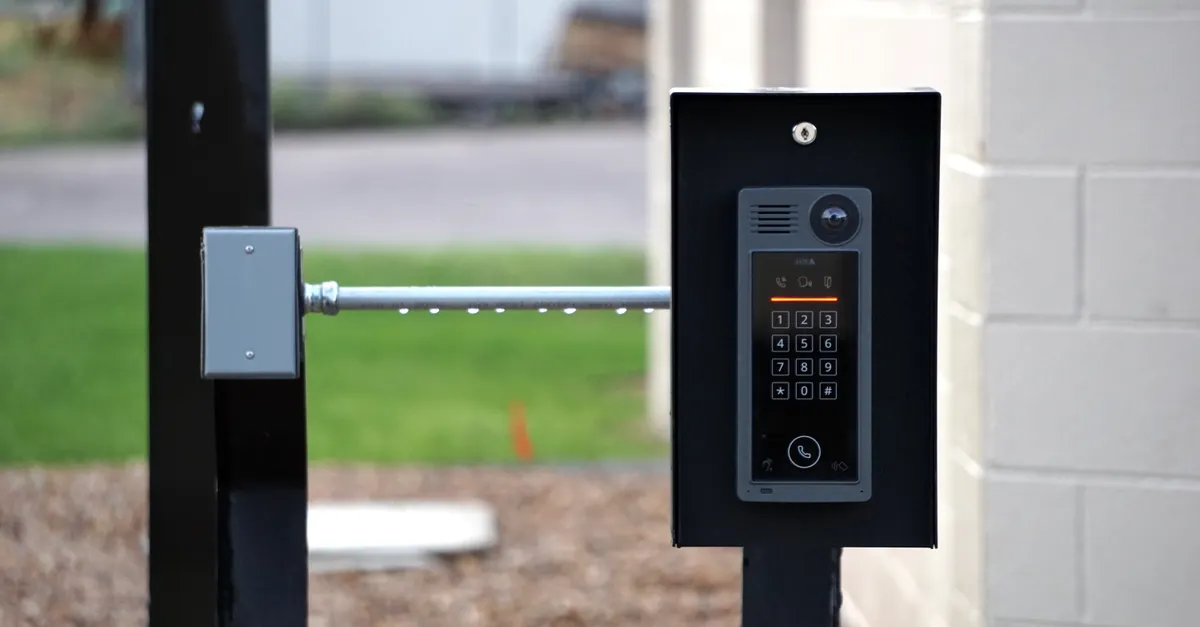
- Connected Devices: Appliances and systems (like thermostats, irrigation, or robotic vacuums) that can be controlled remotely or programmed to operate automatically.
- Cloud Platforms: Services that store data, analyze trends, and send alerts or maintenance reminders to homeowners or service providers.
These elements work together to create a responsive, proactive approach to home care.
How Automated Home Maintenance Works in Practice
To see the process in action, consider a few common scenarios:
- Leak Detection: Water sensors installed near pipes or appliances can detect leaks early. If a leak is found, the system can alert the homeowner via smartphone and even shut off the water supply automatically to prevent damage.
- HVAC Maintenance: Smart thermostats and air quality monitors track system performance. When filters need changing or the system requires servicing, the platform sends a reminder or schedules a technician visit.
- Lawn and Garden Care: Automated irrigation systems use weather data and soil moisture sensors to water plants only when needed, reducing waste and keeping landscaping healthy.
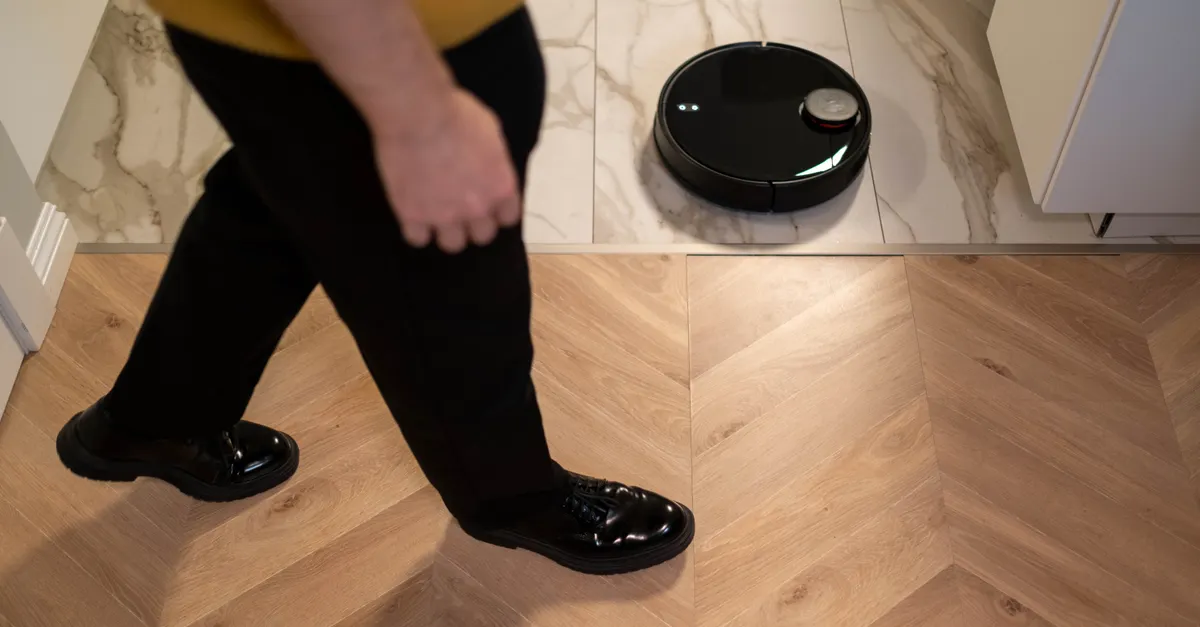
- Cleaning and Upkeep: Robotic vacuums and mops can be programmed to clean floors on a regular schedule, while window-cleaning robots handle hard-to-reach glass surfaces.
In each case, the system reduces manual effort and helps prevent small issues from becoming major problems.
Benefits of Embracing Automation
There are several compelling reasons to adopt automated solutions for home maintenance:
- Time Savings: Routine tasks are handled automatically, freeing up hours each week.
- Cost Efficiency: Early detection and regular upkeep can prevent expensive repairs and extend the lifespan of appliances and systems.
- Peace of Mind: Homeowners receive alerts and updates, ensuring they’re always aware of their property’s condition.
- Energy Efficiency: Smart systems optimize resource use, which can lower utility bills and reduce environmental impact.
For a deeper look at the advantages, you might find the benefits of automated home maintenance particularly insightful.
Key Features of Automated Maintenance Systems
Modern platforms offer a range of features designed to simplify upkeep:
- Customizable Schedules: Set routines for cleaning, inspections, or servicing based on your preferences.
- Remote Monitoring: Check on your home’s systems from anywhere using a smartphone or web dashboard.
- Predictive Alerts: Receive notifications before issues become serious, thanks to data analysis and machine learning.
- Integration with Service Providers: Some systems can automatically book appointments with trusted professionals when maintenance is due.
These features make it easier to stay on top of tasks without constant manual tracking.
Challenges and Considerations
While the benefits are clear, there are also some challenges to consider when adopting automated home maintenance:
- Upfront Costs: Installing smart devices and platforms can require an initial investment.
- Compatibility: Not all devices work seamlessly together, so it’s important to choose systems that integrate well.
- Privacy and Security: Connected devices collect data, so ensuring strong security measures is essential to protect your information.
- Maintenance of the System: Even automated solutions need occasional updates and checks to ensure everything continues to function properly.
Being aware of these factors can help homeowners make informed decisions about which technologies to adopt.
Popular Applications and Use Cases
Automated maintenance is being applied in a variety of ways, including:
- Plumbing: Leak sensors and smart shut-off valves prevent water damage.
- Heating and Cooling: Smart thermostats optimize comfort and efficiency.
- Electrical Systems: Monitoring circuits and outlets for unusual activity can prevent hazards.
- Appliance Care: Some refrigerators, ovens, and washing machines now offer self-diagnosis and maintenance reminders.
- Exterior Maintenance: Automated sprinklers, lighting, and even gutter-cleaning robots are becoming more common.
As technology advances, the range of tasks that can be automated continues to grow.
Getting Started with Automated Home Care
If you’re interested in exploring how automated home maintenance works for your property, start by identifying the areas where automation would offer the most value. Consider your current pain points—whether it’s remembering filter changes, preventing leaks, or keeping up with cleaning. Research compatible devices and platforms, and look for solutions that can scale as your needs evolve.
For those seeking a comprehensive approach, reviewing an automated home maintenance checklist can help ensure you cover all the bases as you plan your upgrades.
Future Trends in Automated Home Maintenance
The field is rapidly evolving, with new innovations on the horizon. Artificial intelligence is enabling smarter predictions and more personalized maintenance routines. Integration with renewable energy systems, such as solar panels and battery storage, is making homes even more efficient. Voice assistants and automation platforms are becoming more intuitive, allowing homeowners to control and monitor their property with simple commands or even automatically, based on learned habits.
As adoption grows, expect to see more seamless integration between devices, improved user interfaces, and expanded support for a wider range of household tasks.

Frequently Asked Questions
What types of tasks can be automated in home maintenance?
Common tasks include leak detection, HVAC filter reminders, lawn and garden watering, floor cleaning, and appliance diagnostics. As technology advances, more areas of the home can benefit from automation.
Is it difficult to set up automated maintenance systems?
Many modern solutions are designed for easy installation and setup. Some devices are plug-and-play, while others may require professional installation, especially if they integrate with plumbing or electrical systems.
How secure are automated home maintenance devices?
Security depends on the manufacturer and how the devices are configured. It’s important to use strong passwords, keep software updated, and choose reputable brands that prioritize privacy and data protection.
Conclusion
Automated systems are transforming the way we care for our homes, making routine maintenance simpler, smarter, and more efficient. By leveraging sensors, smart devices, and intelligent platforms, homeowners can enjoy greater convenience and peace of mind. As technology continues to advance, the possibilities for automation in home care will only expand, offering even more ways to keep properties in excellent condition with minimal effort.