The integration of AI accessibility features in smart homes is transforming how people interact with their living spaces. These advancements are not just about convenience—they are about creating environments that are more inclusive and supportive for individuals with varying needs. From voice-activated controls to intelligent automation, artificial intelligence is making it possible for everyone, including those with disabilities, to enjoy greater independence and comfort at home.
As smart home technology evolves, accessibility is becoming a core focus. AI-driven systems can now interpret voice commands, recognize gestures, and adapt to user preferences, providing tailored assistance. For those interested in exploring related innovations, the ai smart home personalization guide offers insights into how homes can be further customized through artificial intelligence.
Understanding Smart Home Accessibility
Smart homes use interconnected devices and sensors to automate and simplify daily tasks. When these systems are enhanced with artificial intelligence, they can learn from user behaviors and adapt to individual needs. This is especially valuable for people with mobility challenges, vision or hearing impairments, or cognitive differences. By leveraging AI, smart homes can provide real-time support and create a safer, more manageable environment for all residents.
A comprehensive overview of smart home technology highlights how these systems are evolving to meet diverse accessibility requirements. AI-powered solutions are at the forefront of this shift, enabling features that were once considered futuristic.
Key AI Accessibility Features for Inclusive Living
Modern smart homes are equipped with a range of AI-driven features designed to enhance accessibility. Here are some of the most impactful options available today:
- Voice Assistants: Devices like Amazon Alexa, Google Assistant, and Apple Siri allow users to control lighting, thermostats, appliances, and entertainment systems using simple voice commands. This is particularly beneficial for individuals with limited mobility or dexterity.
- Automated Lighting and Climate Control: AI systems can learn daily routines and automatically adjust lighting and temperature settings. This reduces the need for manual adjustments and ensures comfort throughout the day.
- Smart Doorbells and Security: Video doorbells and smart locks can be managed remotely or through voice commands, improving security and accessibility for those who may have difficulty reaching the door.
- Gesture Recognition: Some smart home devices can interpret hand gestures or body movements, providing an alternative to voice or touch controls for users with speech or hearing impairments.
- Personalized Automation: AI can tailor routines based on user preferences, such as adjusting window blinds, playing favorite music, or sending medication reminders.
How AI Enhances Home Accessibility
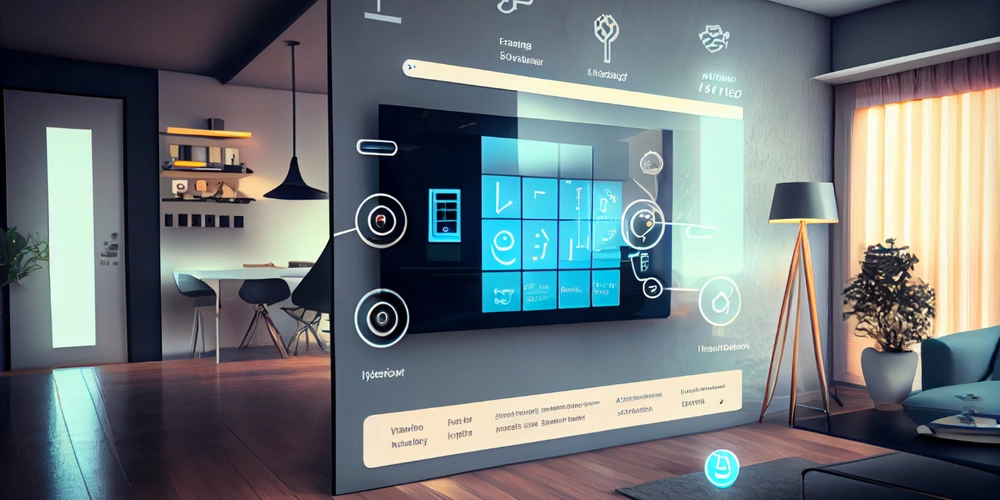
Artificial intelligence brings a new level of adaptability to smart homes. By analyzing patterns and responding to real-time data, AI systems can anticipate needs and automate tasks, reducing the cognitive and physical effort required to manage a household. For example, a smart home might detect when a resident enters a room and automatically adjust the lighting and temperature to their preferred settings.
For individuals with visual impairments, AI-powered voice feedback can provide spoken updates about the status of devices or reminders for important tasks. Those with hearing loss can benefit from visual alerts or haptic feedback integrated into smart devices. The flexibility of AI means that homes can be customized to address a wide range of accessibility needs.
Integrating AI Accessibility Features Into Your Home
Adding AI-driven accessibility features to a home can be straightforward, especially with the growing number of compatible devices on the market. Here are some practical steps to get started:
- Assess Your Needs: Identify the specific challenges or requirements of household members. This could include mobility limitations, sensory impairments, or cognitive differences.
- Choose Compatible Devices: Select smart home products that support AI-driven accessibility, such as voice assistants, smart locks, and automated lighting systems.
- Set Up Routines and Automations: Use the AI features within your smart home hub to create routines that simplify daily tasks, like turning on lights at sunset or locking doors at bedtime.
- Explore Advanced Features: Look for devices that offer gesture recognition, voice feedback, or integration with accessibility apps for enhanced support.
- Regularly Update and Test: Keep your devices updated and test automations to ensure they continue to meet your needs as technology evolves.
For students and tech enthusiasts, exploring ai smart home project ideas can be a great way to learn more about building and customizing accessible smart environments.

Benefits of AI-Driven Accessibility in Everyday Life
The adoption of ai accessibility features in smart homes offers a range of practical benefits. These include:
- Greater Independence: Automated controls and personalized routines make it easier for individuals to manage their environment without assistance.
- Improved Safety: Smart sensors can detect hazards, such as smoke or water leaks, and alert residents or caregivers immediately.
- Enhanced Comfort: AI learns user preferences and adapts lighting, temperature, and entertainment options to suit each person.
- Reduced Caregiver Burden: Automated reminders and remote monitoring features can support caregivers and family members, providing peace of mind.
For those interested in energy management, ai battery management systems for homes can further enhance the efficiency and sustainability of a smart home setup.
Challenges and Considerations
While the benefits are significant, there are some challenges to consider when implementing AI-powered accessibility features:
- Privacy and Security: Smart home devices collect and process sensitive data. It’s important to choose reputable brands and regularly update device security settings.
- Compatibility: Not all devices work seamlessly together. Ensuring that your chosen products are compatible can prevent frustration and maximize functionality.
- Cost: Advanced AI-driven systems can be expensive. However, the investment often pays off in terms of improved quality of life and independence.
- Learning Curve: Some users may need time and support to become comfortable with new technologies. Providing training and accessible documentation can help.
Future Trends in AI and Smart Home Accessibility
The future of accessible smart homes is promising. As artificial intelligence continues to advance, we can expect even more intuitive and adaptive systems. Innovations such as emotion recognition, predictive assistance, and advanced environmental controls are on the horizon. These developments will further empower individuals to live independently and safely in their own homes.
For those looking to automate specific areas, the ai smart bedroom automation guide provides practical tips for making bedrooms more accessible and comfortable.
FAQ
What are the most popular AI-powered accessibility features in smart homes?
Some of the most widely used features include voice assistants, automated lighting and climate control, smart doorbells, gesture recognition, and personalized routines. These tools help users manage their environment more easily and independently.
How can AI-driven smart home technology help people with disabilities?
AI-enabled systems can adapt to individual needs, providing voice feedback, visual alerts, and automated controls. This reduces the need for manual interaction and supports a more accessible and comfortable living space.
Are AI accessibility features difficult to set up?
Many modern smart home devices are designed for easy installation and setup. Most systems offer user-friendly apps and step-by-step guides. For more advanced features, professional installation may be helpful, but many users can get started with basic devices on their own.