Artificial intelligence is rapidly transforming the way we interact with our living spaces. For students interested in technology, exploring ai smart home project ideas offers a practical way to learn about automation, machine learning, and the Internet of Things (IoT). These projects not only build technical skills but also encourage creative problem-solving and real-world application.
Whether you’re working on a school assignment, a hackathon, or a personal portfolio, developing smart home solutions with AI can be both rewarding and educational. From intelligent lighting to voice-controlled appliances, the possibilities are vast. Before diving into specific concepts, it’s helpful to understand how AI is already being used in modern homes. For a deeper look at the impact of artificial intelligence in residential settings, check out this guide to deep learning applications in smart homes.
Why Explore AI-Driven Smart Home Projects?
Working on home automation projects that use artificial intelligence provides hands-on experience with technologies shaping the future. Students can experiment with sensors, data analysis, and automation algorithms, gaining insight into how smart homes operate. These projects can also help you understand topics like energy efficiency, security, and user experience design.
Many smart home systems already leverage AI for tasks like adjusting thermostats, automating lighting, and enhancing security. Learning how these systems work—and building your own prototypes—can set you apart in tech-focused academic and career paths.
Top AI-Powered Smart Home Project Concepts
Here are several practical and innovative ideas for students interested in building intelligent home solutions. Each project can be tailored to your skill level and available resources.
1. Intelligent Lighting Control System
Develop a lighting system that uses AI to learn user habits and adjust brightness or color temperature automatically. By integrating motion sensors and environmental data, the system can optimize lighting for comfort and energy savings. For more details on this topic, see the complete guide to AI smart lighting systems.
2. Voice-Activated Home Automation Assistant
Create a voice assistant that controls home devices such as lights, fans, or appliances. Using natural language processing, the assistant can interpret commands and even learn new routines over time. This project helps students understand speech recognition and intent parsing. To explore this area further, refer to the AI voice assistants for home automation guide.

3. AI-Based Energy Management System
Design a solution that monitors and analyzes household energy consumption. Using machine learning, the system can recommend ways to reduce electricity usage and automate device schedules for efficiency. Students can incorporate smart plugs, sensors, and cloud-based analytics to make the project more robust. Learn more about optimizing home energy with AI in this article on how AI reduces electricity bills.
4. Smart Security and Surveillance
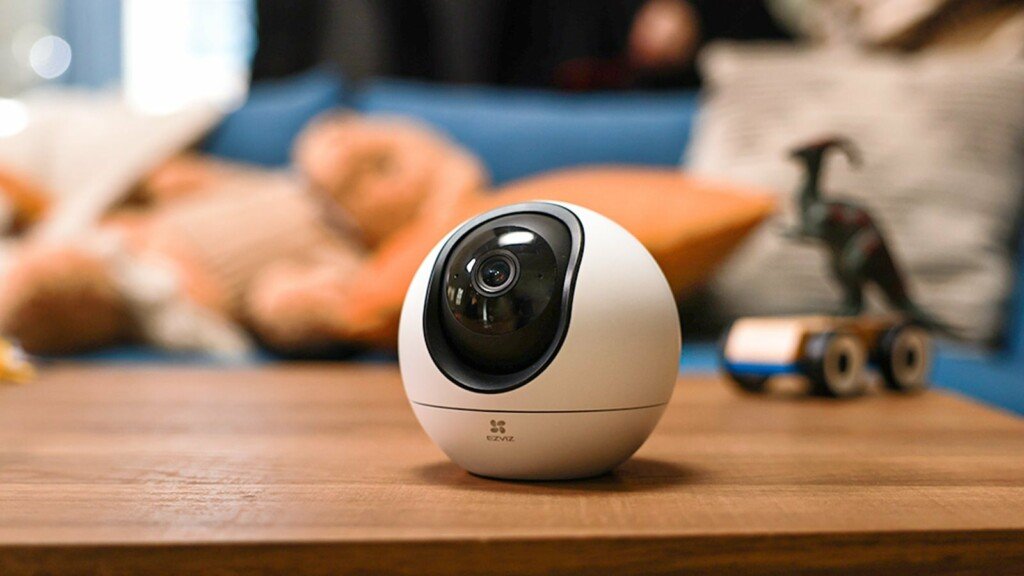
Build a security system that uses AI for facial recognition, motion detection, or anomaly alerts. By training models on image or video data, students can create systems that notify homeowners of unusual activity or automatically lock doors and windows. This type of project introduces concepts in computer vision and real-time data processing.
5. Predictive Maintenance for Appliances
Implement a system that predicts when home appliances need maintenance or are likely to fail. By collecting data from sensors and applying predictive algorithms, the system can alert users before issues become critical. This project teaches students about time-series analysis and preventive technology.
Getting Started with AI-Driven Home Projects
Before starting any project, it’s important to define your goals, available hardware, and software tools. Many students use affordable microcontrollers like Raspberry Pi or Arduino, along with open-source AI frameworks such as TensorFlow or PyTorch. Cloud services can also provide additional computing power for more complex tasks.
Here are some steps to help you launch your smart home project:
- Identify a problem in the home that can be solved or improved with automation or intelligence.
- Research existing solutions to understand what’s possible and where you can innovate.
- Choose the right hardware and software for your project scope and budget.
- Start with a prototype and iterate based on testing and feedback.
- Document your process and results for future reference or academic submission.
Integrating AI with Home Devices
Connecting AI algorithms to physical devices is a key part of most smart home projects. This can involve using APIs to control lights or thermostats, setting up wireless communication between sensors, or building custom apps for user interaction. For example, students interested in climate control can explore the benefits of AI thermostats and try building a simple version themselves.

Challenges and Learning Opportunities
While working on these projects, students may encounter challenges such as data privacy, device compatibility, and the complexity of AI algorithms. Overcoming these obstacles builds valuable skills in troubleshooting, critical thinking, and project management. Collaborating with classmates or participating in online forums can provide additional support and inspiration.
Staying updated with the latest trends is also important. For a comprehensive overview of how artificial intelligence is shaping modern homes, see this article on AI’s impact on comfort, security, and energy efficiency.
FAQ: Student Projects in AI-Powered Smart Homes
What skills do I need to start an AI-based home automation project?
Basic programming knowledge (such as Python or JavaScript), familiarity with microcontrollers (like Raspberry Pi or Arduino), and an understanding of sensors and actuators are helpful. Learning about machine learning concepts and cloud computing can also be beneficial for more advanced projects.
How can students make their smart home projects more energy efficient?
By using AI to analyze usage patterns and automate device schedules, students can reduce unnecessary energy consumption. Integrating real-time data from sensors and applying optimization algorithms can further enhance efficiency. For more insights, refer to resources on reducing electricity bills with AI.
Are there affordable tools for building AI-powered home devices?
Yes, many affordable options are available. Microcontrollers like Arduino and Raspberry Pi, combined with open-source software libraries, make it possible to build functional prototypes without a large budget. Free or low-cost cloud services can also provide AI processing power for student projects.
Conclusion
Exploring ai smart home project ideas gives students a unique opportunity to apply theoretical knowledge in a practical setting. By tackling real-world challenges, you can gain experience in programming, electronics, and artificial intelligence—all while creating solutions that make everyday life more convenient and efficient. Whether you focus on lighting, security, energy management, or voice control, these projects lay a strong foundation for future innovation in smart living.