Water leaks are among the most common and costly issues homeowners face. Traditional detection methods often rely on visible signs or manual inspections, which can lead to delayed responses and significant damage. In recent years, ai based leak detection systems have transformed how households monitor and address water leaks, offering a smarter, more proactive solution.
These intelligent systems use advanced sensors and artificial intelligence to identify leaks early, minimize water waste, and help prevent expensive repairs. By integrating with smart home platforms, they provide real-time alerts and actionable insights, making home maintenance more efficient and secure.
For those interested in broader smart home innovations, exploring ai battery management systems for homes can offer additional insights into how artificial intelligence is shaping residential technology.
How Smart Leak Detection Works
Modern leak detection platforms combine AI algorithms with a network of sensors placed throughout the home. These sensors continuously monitor water flow, pressure, and environmental conditions. When abnormal patterns are detected—such as an unexpected drop in pressure or continuous flow when no fixtures are in use—the system analyzes the data to determine if a leak is likely.
Unlike traditional devices that simply sound an alarm, AI-driven solutions can distinguish between normal usage (like running a dishwasher) and genuine leaks. This reduces false positives and ensures homeowners receive accurate alerts. Notifications are typically sent via smartphone apps, email, or even voice assistants, allowing for immediate action.
Key Benefits of AI-Driven Leak Detection
Adopting ai based leak detection systems offers several advantages over conventional methods:
- Early Detection: AI models can spot subtle changes in water usage, identifying leaks before they become major problems.
- Reduced Water Waste: By catching leaks quickly, these systems help conserve water and lower utility bills.
- Remote Monitoring: Homeowners can check their system status and receive alerts from anywhere, providing peace of mind when away from home.
- Integration with Smart Home Devices: Many solutions work seamlessly with other smart home technologies, enabling automated shut-off valves or integration with security platforms.
- Lower Insurance Costs: Some insurance providers offer discounts for homes equipped with advanced leak detection, recognizing the reduced risk of water damage claims.
.jpg?trim=0,109,0,91&crop=&width=640&quality=65)
Components of a Home Leak Detection Solution
Comprehensive leak detection setups typically include several core elements:
- Sensors: Placed near appliances, pipes, and water heaters, these devices detect moisture, flow, or pressure changes.
- Central Hub: Collects and processes sensor data, often using cloud-based AI for advanced analytics.
- Mobile App: Provides real-time notifications, usage reports, and remote control features.
- Automatic Shut-Off Valve: Some systems can automatically close the main water supply if a major leak is detected, preventing further damage.
These components work together to create a robust, always-on monitoring network. As more homes adopt smart technologies, integration with other systems—such as ai remote home monitoring—is becoming increasingly common, enhancing overall home safety and efficiency.
AI and IoT: The Backbone of Modern Leak Detection
The combination of artificial intelligence and the Internet of Things (IoT) is central to the effectiveness of these solutions. IoT sensors gather vast amounts of data, while AI analyzes patterns to distinguish between everyday water use and potential leaks. This synergy enables predictive maintenance, alerting homeowners to issues before they escalate.
For a deeper dive into how AI and IoT are transforming smart homes, visit this comprehensive guide to AI and IoT in smart homes.

Choosing the Right Leak Detection System for Your Home
When selecting a solution, consider the following factors:
- Coverage Area: Ensure sensors can be placed in all high-risk locations, including basements, kitchens, and bathrooms.
- Integration: Look for compatibility with your existing smart home ecosystem, such as Alexa, Google Home, or Apple HomeKit.
- Alert Methods: Choose a system that offers multiple notification channels to ensure you never miss an alert.
- Automatic Shut-Off: This feature can be invaluable for preventing extensive water damage during large leaks.
- Ease of Installation: Some systems are DIY-friendly, while others may require professional setup.
It’s also helpful to read reviews and consult with professionals to find a solution that fits your specific needs. As technology advances, more affordable and user-friendly options are entering the market, making smart leak detection accessible to a wider range of homeowners.
Integrating Leak Detection with Other Smart Home Technologies
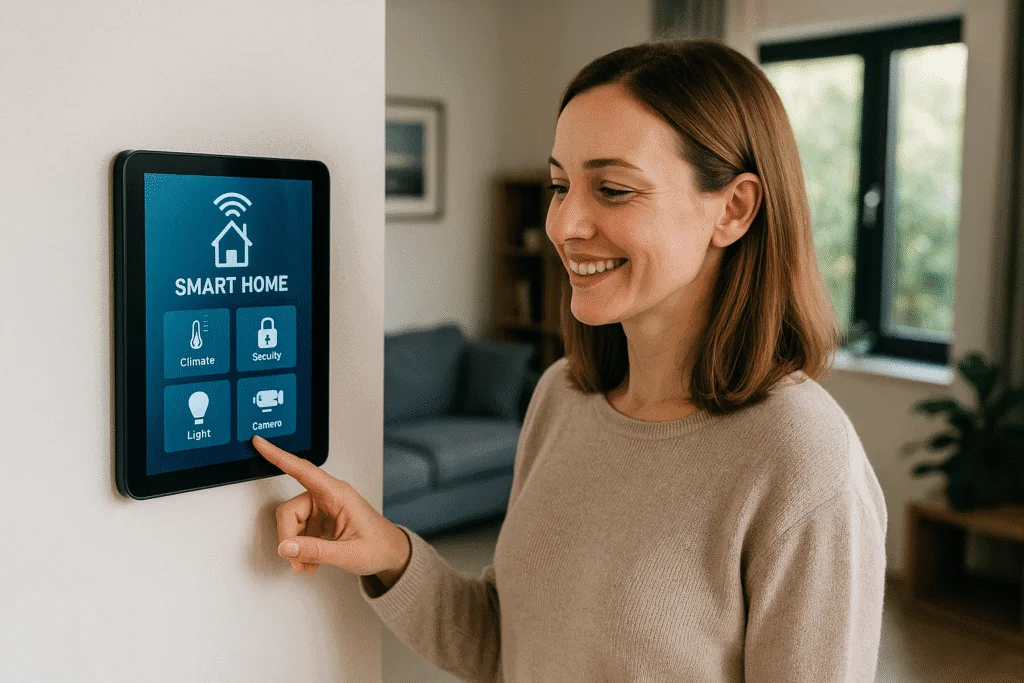
Integrating leak detection with other home automation tools can further enhance safety and convenience. For example, pairing with ai green smart homes with ai initiatives can help optimize water usage and support sustainability goals. Additionally, combining with ai occupancy detection in homes can provide context-aware alerts, reducing unnecessary notifications when the home is unoccupied.
These integrations create a comprehensive smart home environment where systems communicate and respond intelligently to changing conditions, offering a higher level of protection and efficiency.
Common Challenges and Considerations
While the benefits are clear, there are some challenges to keep in mind:
- Initial Cost: Advanced systems can be an investment, though potential savings from avoided damage often outweigh upfront expenses.
- Privacy: As with any connected device, ensure your system follows best practices for data security and privacy.
- Maintenance: Regularly check sensors and batteries to maintain optimal performance.
- False Alarms: While AI reduces false positives, occasional errors can still occur, especially in complex plumbing setups.
Staying informed and choosing reputable brands can help mitigate these issues and ensure reliable protection for your home.
FAQ
How Accurate Are AI-Powered Leak Detection Systems?
These systems are highly accurate thanks to advanced algorithms that analyze water usage patterns and environmental data. While no technology is perfect, AI significantly reduces false alarms compared to basic sensors.
Can I Install Leak Detection Devices Myself?
Many modern solutions are designed for easy DIY installation, with wireless sensors and user-friendly apps. However, systems with automatic shut-off valves or complex integrations may require professional assistance.
Do These Systems Work with Other Smart Home Devices?
Yes, most leading products offer integration with popular smart home platforms, allowing you to automate responses, receive alerts through various channels, and even trigger other devices in case of a leak.
Are There Any Ongoing Costs?
Some systems may require a subscription for advanced features or cloud analytics, but many offer basic leak detection and notifications without ongoing fees. Always check the product details before purchasing.
As smart home technology continues to evolve, ai based leak detection systems are becoming an essential tool for proactive home maintenance, helping homeowners protect their property, save money, and contribute to a more sustainable future.