The way we protect and manage our homes is rapidly evolving. AI remote home monitoring is transforming traditional security and automation systems, making them smarter, more responsive, and more accessible than ever before. By integrating artificial intelligence with connected devices, homeowners can now monitor, control, and secure their living spaces from virtually anywhere.
This guide explores how artificial intelligence is reshaping home monitoring, what features to expect, and how to choose the right solutions for your needs. Whether you’re interested in boosting security, automating daily routines, or simply staying connected to your property, understanding these advancements can help you make informed decisions.
For those interested in optimizing their living environment, exploring ai thermostat benefits can further enhance energy efficiency and comfort alongside smart monitoring.
What Is Smart Home Monitoring With AI?
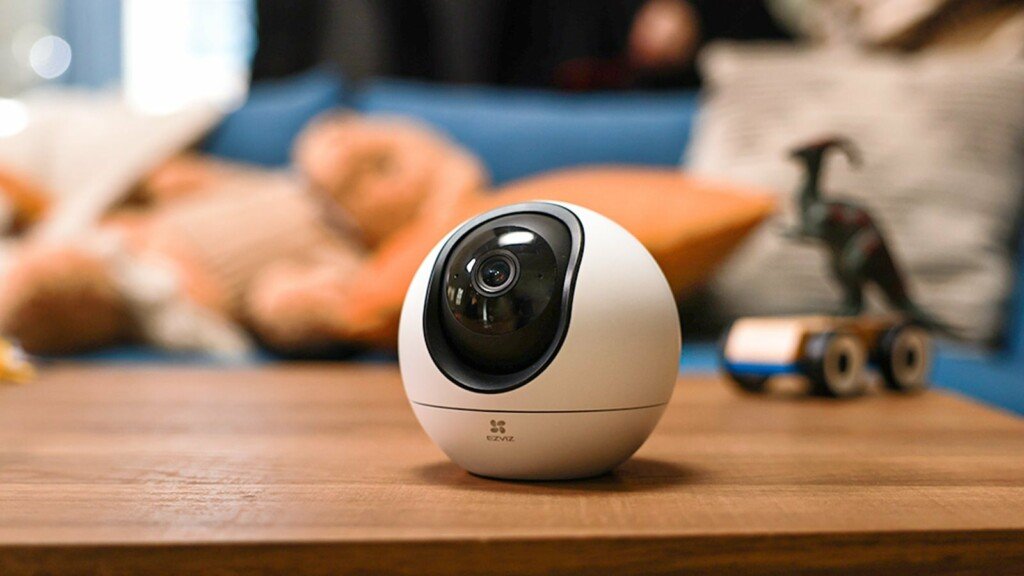
At its core, AI-powered home monitoring combines sensors, cameras, and connected devices with machine learning algorithms. These systems analyze data in real time, recognize patterns, and make decisions or send alerts based on what they detect. Unlike traditional setups that rely solely on motion sensors or manual checks, intelligent monitoring platforms can distinguish between normal activity and potential threats, reducing false alarms and improving response times.
Key components typically include:
- Smart cameras with facial and object recognition
- Motion and environmental sensors
- Voice assistants and automated routines
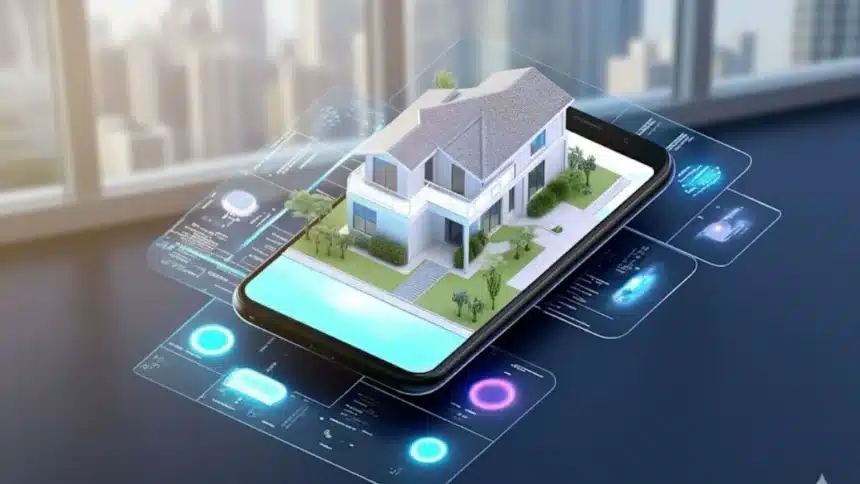
- Mobile apps for remote access and control
- Cloud-based analytics and storage
These features work together to provide a comprehensive view of your home, whether you’re at work, on vacation, or just in another room.
How Artificial Intelligence Enhances Remote Security
The integration of artificial intelligence in remote home monitoring brings several advantages over conventional systems. Here’s how AI makes a difference:
- Real-time threat detection: AI algorithms analyze video feeds and sensor data to spot unusual activity, such as unauthorized entry or broken windows, and can alert you instantly.
- Reduced false alarms: By learning the difference between pets, family members, and strangers, smart systems minimize unnecessary notifications.
- Predictive maintenance: AI can monitor the health of devices, suggesting maintenance before failures occur.
- Automated responses: Systems can trigger lights, alarms, or lock doors automatically when suspicious activity is detected.
- Remote access and control: Homeowners can view live feeds, receive alerts, and adjust settings from their smartphones, no matter where they are.

Popular Features in Modern AI Home Monitoring Systems
Today’s smart monitoring platforms offer a range of features designed to make life easier and safer. Some of the most sought-after capabilities include:
- Facial recognition: Identify family members, friends, or delivery personnel, and receive tailored notifications.
- Voice control: Integrate with assistants like Alexa or Google Assistant for hands-free operation. For more on this, see the ai voice assistants for home automation guide.
- Smart alerts: Get notified only when something important happens, such as a door opening at an unusual time.
- Environmental monitoring: Detect smoke, carbon monoxide, water leaks, or temperature changes.
- Automated lighting and appliances: Set schedules or trigger actions based on activity or time of day.
- Cloud storage: Securely store video and event logs for later review.
These features not only improve security but also enhance convenience and energy efficiency. For example, integrating AI-powered lighting systems can help reduce electricity usage, as discussed in the ai smart lighting systems guide.
Choosing the Right AI-Enabled Home Monitoring Solution
Selecting the best system depends on your specific needs, property size, and budget. Consider the following when evaluating options:
- Compatibility: Ensure the platform works with your existing devices and preferred voice assistants.
- Privacy and data security: Look for systems with robust encryption and clear privacy policies.
- Ease of use: Choose solutions with intuitive apps and straightforward installation.
- Scalability: Opt for platforms that allow you to add more devices or features over time.
- Support and updates: Reliable customer service and regular software updates are essential for long-term satisfaction.
It’s also wise to read independent reviews and consult resources like this overview of AI-powered smart home devices to compare products and features.
Integrating AI Monitoring With Other Smart Home Technologies
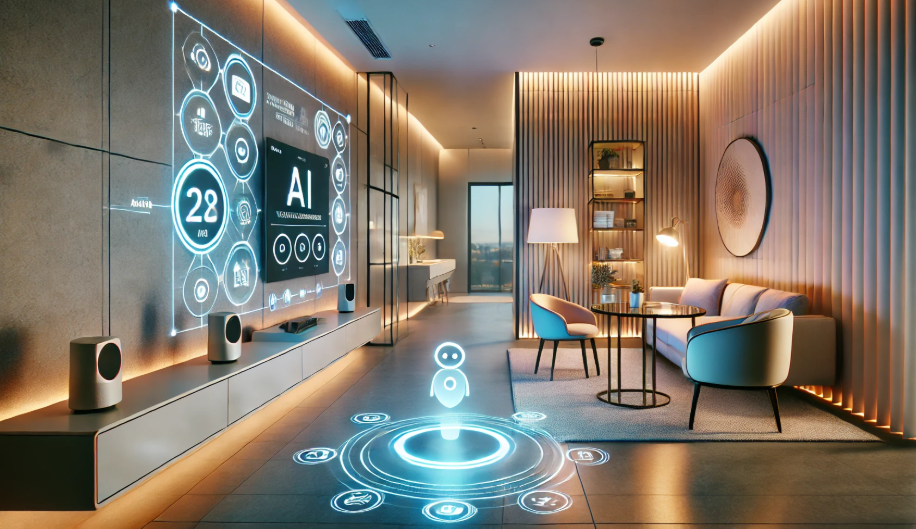
The true power of remote home monitoring with AI emerges when it’s combined with other smart home technologies. For example, linking your monitoring system with smart thermostats, lighting, and appliances can create a seamless, automated environment that adapts to your lifestyle.
Many homeowners are also exploring how ai reduces electricity bills by optimizing energy usage based on occupancy and habits. Deep learning and advanced analytics can further enhance automation, as outlined in the deep learning applications in smart homes guide.
By building a connected ecosystem, you can enjoy not only improved security but also greater comfort, convenience, and savings.
FAQ: Common Questions About AI-Driven Home Monitoring
How does AI improve the accuracy of home security alerts?
Artificial intelligence analyzes data from cameras and sensors to distinguish between routine activities and potential threats. This reduces false alarms by filtering out harmless movements, such as pets or passing cars, and only sending alerts when genuine risks are detected.
Is it difficult to install an AI-based monitoring system?
Most modern systems are designed for easy installation, often requiring only a smartphone and a Wi-Fi connection. Many products offer step-by-step guides, and some can be set up in under an hour. For more complex setups, professional installation is also available.
Are AI-powered monitoring systems secure and private?
Leading brands prioritize data security with encryption, secure cloud storage, and privacy controls. Always review a provider’s privacy policy and security features before purchasing to ensure your data remains protected.
Can AI monitoring systems help save energy?
Yes. By integrating with smart thermostats and lighting, these systems can adjust settings based on occupancy and usage patterns, helping to reduce unnecessary energy consumption and lower utility bills.
Conclusion
The adoption of ai remote home monitoring is making homes safer, smarter, and more efficient. With features like real-time alerts, facial recognition, and seamless integration with other smart devices, these systems offer peace of mind and convenience for homeowners. As technology continues to advance, expect even greater capabilities and customization options in the years ahead.