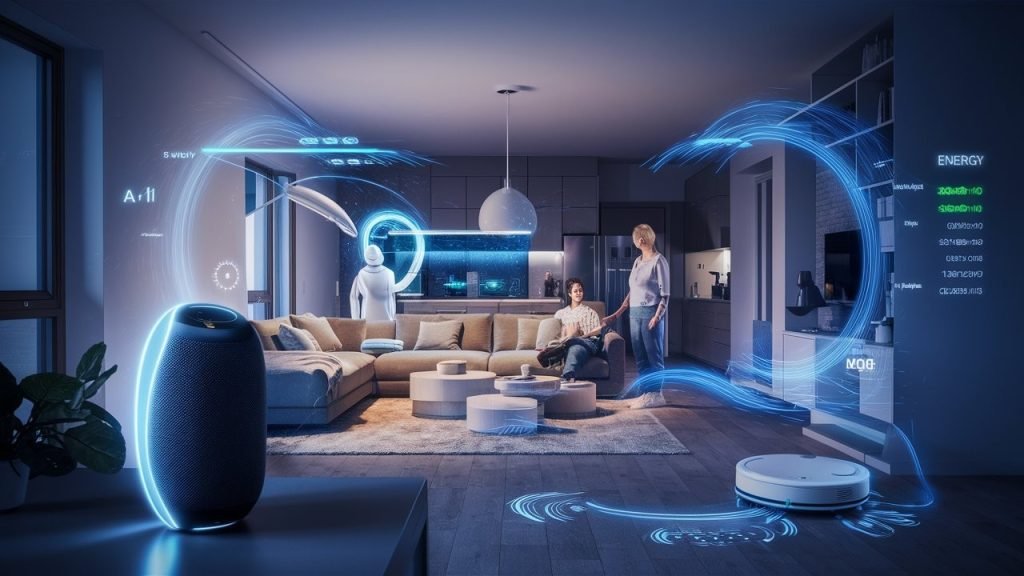

AI geofencing in smart homes is rapidly transforming how we interact with our living spaces. By combining artificial intelligence with location-based technology, modern households can automate daily routines, enhance security, and optimize energy use—all based on where you or your family members are. Whether you’re new to smart home automation or looking to upgrade your current setup, understanding how AI-powered geofencing works can help you unlock new levels of convenience and control.
In this article, we’ll break down the essentials of geofencing with AI, explore its main benefits, and address common concerns. You’ll also find practical tips for getting started and see how this technology fits into the broader landscape of intelligent home solutions.
For those interested in integrating geofencing with other smart systems, you might want to explore solutions like ai battery management systems for homes, which can further optimize energy usage and efficiency in conjunction with location-based automation.
What Is Geofencing and How Does AI Enhance It?
Geofencing is a technology that creates a virtual boundary around a specific geographic area—such as your home, office, or neighborhood. When a device (like your smartphone) enters or exits this boundary, it triggers predefined actions. Traditionally, geofencing has been used for simple automations, such as turning on lights when you arrive home.
With the integration of artificial intelligence, geofencing becomes much more powerful. AI geofencing in smart homes uses advanced algorithms to analyze patterns, learn user preferences, and make decisions based on context. For example, instead of just turning on the lights when you get home, an AI-driven system might adjust the lighting based on the time of day, your usual habits, or even the weather.
Key Benefits of AI-Driven Geofencing for Home Automation
Implementing AI-powered geofencing in your home offers several important advantages:
- Personalized Automation: AI learns your routines and adapts automations to your lifestyle, making your home truly responsive to your needs.
- Enhanced Security: Geofencing can automatically lock doors, arm security systems, or alert you if someone enters or leaves the property unexpectedly.
- Energy Efficiency: By controlling heating, cooling, and lighting based on occupancy, AI geofencing helps reduce energy waste and lower utility bills.
- Convenience: Routine tasks—like opening the garage, adjusting thermostats, or starting appliances—can happen automatically as you come and go.
How AI Geofencing Works in Modern Homes
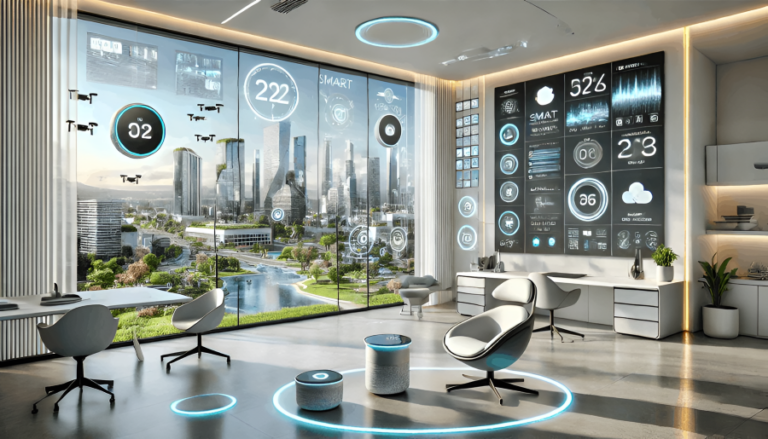
At its core, AI geofencing in smart homes relies on a combination of sensors, connected devices, and cloud-based intelligence. Here’s a simplified breakdown of how it typically operates:
- Location Detection: Your smartphone or wearable device shares its location with your home automation system, usually via GPS, Wi-Fi, or Bluetooth.
- Virtual Boundary Setup: You define zones (such as “home,” “work,” or “school”) within your smart home app.
- AI Analysis: The system uses machine learning to analyze your arrival and departure patterns, preferences, and even external factors like weather or calendar events.
- Automated Actions: When you cross a geofence, the AI triggers automations—such as unlocking the door, adjusting the thermostat, or sending notifications.
This approach allows for much more nuanced and context-aware automation compared to traditional rule-based systems.
Popular Use Cases for AI Geofencing in Smart Homes
There are many ways to apply this technology in everyday life. Some of the most common scenarios include:
- Smart Security: Automatically arm or disarm your alarm system as you leave or arrive, or receive alerts if someone else enters your property.
- Lighting Control: Lights turn on as you approach home after dark, and turn off when everyone leaves.
- Climate Management: Heating and cooling systems adjust based on occupancy, saving energy when the house is empty.
- Family Safety: Get notifications when children arrive home from school or if elderly family members leave the property unexpectedly.
- Package and Visitor Management: Smart doorbells and cameras can activate when someone enters your geofenced area, providing real-time video and alerts.
Integrating AI Geofencing with Other Smart Home Technologies
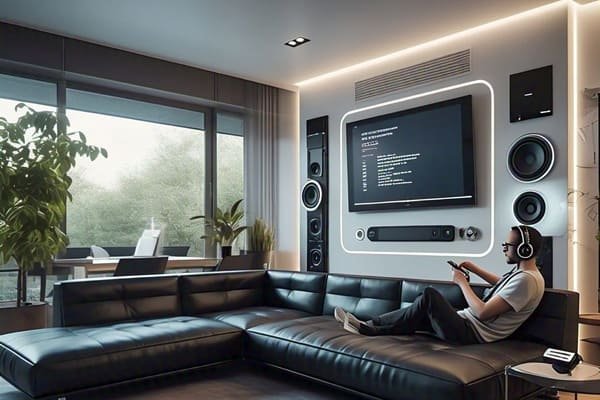
AI-powered geofencing doesn’t operate in isolation. It often works best when integrated with other intelligent home systems. For example, pairing geofencing with ai home automation for energy storage allows your home to automatically store or release energy based on who is present and when.
Similarly, combining geofencing with ai home automation integration with wearables can provide even more precise location data and personalized automations. The possibilities expand further when you add predictive analytics, as discussed in ai predictive analytics in smart homes, enabling your system to anticipate needs before you even act.
For a broader perspective on how artificial intelligence is shaping modern living, check out this in-depth look at AI in the connected home.
Privacy, Security, and Common Concerns
While the benefits of AI geofencing are clear, it’s important to consider privacy and security. Because these systems rely on location data, users should ensure their devices and apps come from reputable providers and offer robust encryption. Always review privacy settings and understand what data is collected, how it’s used, and who can access it.
Modern platforms often provide granular controls, allowing you to set permissions, manage notifications, and restrict data sharing. It’s also wise to keep your devices updated and use strong authentication methods to prevent unauthorized access.
Getting Started with AI Geofencing in Your Home
If you’re ready to try out AI-powered geofencing, here are some practical steps:
- Choose a Compatible Platform: Look for a smart home ecosystem (such as Google Home, Amazon Alexa, or Apple HomeKit) that supports geofencing and AI features.
- Set Up Devices: Install smart locks, lights, thermostats, and sensors that can be controlled via your chosen platform.
- Configure Geofences: Use your app to define zones and set up automations for different scenarios (arrival, departure, specific times).
- Enable AI Features: Activate learning or adaptive options so your system can analyze routines and optimize automations over time.
- Test and Adjust: Monitor how your automations perform and tweak settings for accuracy and comfort.
As you expand your setup, consider integrating additional smart devices and exploring advanced features like disaster management, as described in ai smart home disaster management systems.
FAQ
How does AI geofencing differ from traditional geofencing?
Traditional geofencing triggers actions based solely on entering or leaving a defined area. AI-enhanced systems analyze patterns, learn user habits, and consider additional factors (like time, weather, and occupancy) to deliver more personalized and context-aware automations.
Is my location data safe with AI geofencing?
Most reputable smart home platforms use encryption and secure authentication to protect your data. Always review privacy policies and settings, and choose providers with a strong track record in data security.
Can I use AI geofencing with multiple family members?
Yes, many systems allow you to set up profiles for each household member. The AI can then tailor automations based on who is present, ensuring that routines and security settings adapt to everyone’s needs.
What devices are compatible with AI-powered geofencing?
Most modern smartphones, smart locks, thermostats, lights, and security systems can work with AI geofencing, as long as they are supported by your chosen smart home platform. Always check compatibility before purchasing new devices.
AI geofencing in smart homes is a practical step toward a more responsive, secure, and energy-efficient living environment. By understanding how this technology works and how to implement it, you can make your home smarter and your daily life easier.