

Artificial intelligence is rapidly transforming the way we protect our homes. As more households adopt smart security systems, the role of AI home security alerts has become increasingly important. These intelligent notifications promise not just faster responses to threats, but also fewer false alarms and greater peace of mind. However, as with any technology that processes personal data, it’s essential to understand both the benefits and the privacy implications before relying on AI-driven alerts to safeguard your living space.

How AI-Driven Security Alerts Operate
Modern home security systems equipped with artificial intelligence use advanced algorithms to monitor and analyze activity around your property. Unlike traditional systems that rely on simple motion sensors, AI-powered devices can distinguish between different types of movement and objects. For example, a smart camera can tell the difference between a passing car, a neighborhood cat, and a person approaching your door.
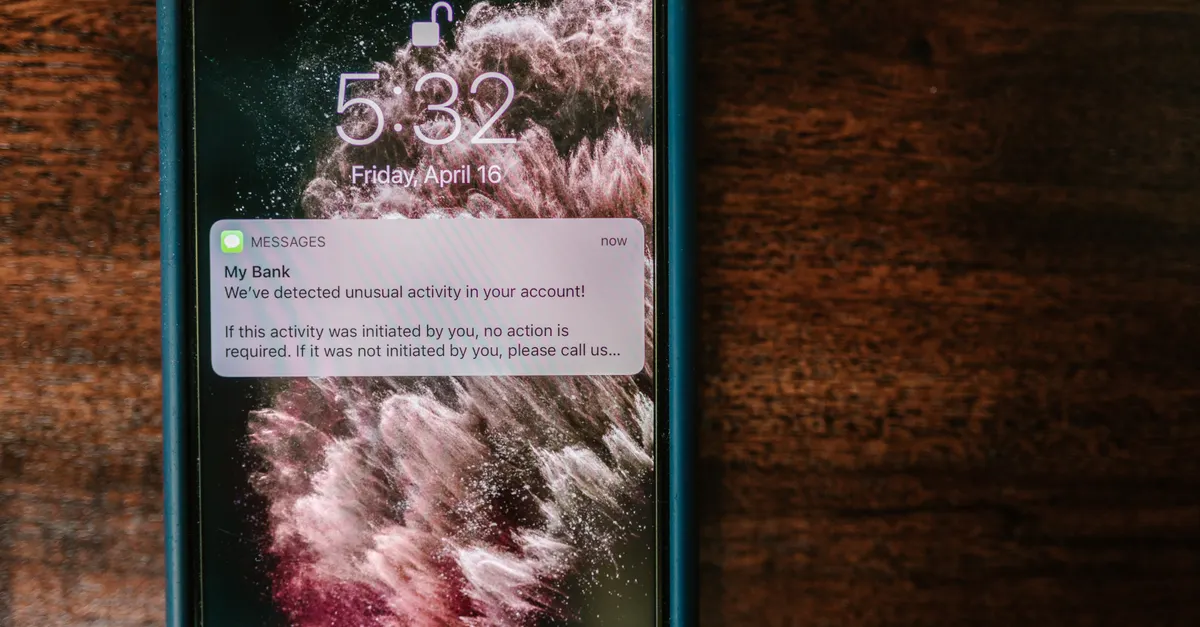
This capability is made possible through object detection and machine learning. The system is trained on vast datasets containing images and video clips of various scenarios. Over time, it learns to identify patterns and recognize what constitutes normal activity versus a potential threat. When something unusual is detected—such as a person loitering near an entryway at an odd hour—the system generates a real-time alert and sends it directly to your smartphone or other connected device.
Another key feature is predictive analytics. By analyzing historical data, AI can anticipate potential risks and adjust its sensitivity accordingly. For example, if your household has a regular dog walker, the system can learn to ignore their visits but still flag unfamiliar faces. This level of smart monitoring not only enhances security but also makes the alerts more relevant and actionable.
AI’s ability to process information in real time and adapt to changing environments is what sets these systems apart from older, less sophisticated security solutions. As a result, homeowners experience fewer unnecessary notifications and can respond more quickly to genuine threats.
Advantages of AI Home Security Alerts
The integration of artificial intelligence into home security offers several clear benefits. Perhaps the most significant is the reduction of false alarms. Traditional systems often trigger alerts for harmless events—like a tree branch moving in the wind or a pet crossing the yard. With AI-powered smart alerts, the system can filter out these benign incidents, ensuring that you’re only notified when something truly requires your attention.
Another advantage is the increased accuracy and speed of threat detection. AI algorithms can process video feeds and sensor data much faster than a human could, allowing for immediate notification if a break-in or suspicious activity is detected. This rapid response can make a critical difference in preventing loss or damage.
Additionally, AI enables more personalized security experiences. Many systems allow you to customize alert settings based on your daily routines, preferred notification methods, and even specific zones within your property. This flexibility ensures that your security system works in harmony with your lifestyle, rather than becoming a source of constant interruptions.
For those interested in comparing the latest features across different brands and models, resources like AI home security system features comparison can help you make an informed decision based on your unique needs.
Addressing Privacy Concerns in AI Security Systems
While the benefits of AI-driven alerts are compelling, it’s important to consider the privacy implications of bringing such technology into your home. One of the primary concerns is the collection and storage of personal data. AI-powered cameras and sensors often record video, audio, and other sensitive information, which may be stored locally or uploaded to cloud servers for processing.
This raises questions about who has access to your data and how it is used. Some systems may share footage with third-party vendors for analytics or product improvement, while others might retain recordings for extended periods. Users should carefully review privacy policies and opt for solutions that offer robust data protection measures, such as end-to-end encryption and clear data retention limits.
Another issue is the potential for unintended surveillance. AI systems are designed to monitor for threats, but they can also capture everyday activities of household members and guests. This constant monitoring can feel intrusive, especially if the system is always recording or analyzing footage. To mitigate this, look for devices that allow you to control when and how recording occurs, and consider disabling certain features when privacy is a priority.
Finally, there’s the risk of unauthorized access. Like any connected device, AI security systems can be vulnerable to hacking if not properly secured. Regularly updating firmware, using strong passwords, and enabling two-factor authentication are essential steps to protect your home and personal information.
For a deeper dive into these issues, you may want to explore additional resources on AI home security system privacy concerns, which provide practical guidance for maintaining control over your data.
How AI Differentiates Between Threats and Everyday Activity
A standout feature of AI home security alerts is their ability to reduce false positives by accurately distinguishing between real threats and routine events. This is achieved through a combination of object recognition, contextual analysis, and continuous learning.
For example, if a delivery person approaches your door during normal business hours, the system may recognize the uniform and package, categorizing the event as non-threatening. Conversely, if someone lingers near a window late at night, the AI may flag this as suspicious and send an immediate notification.
Over time, these systems become more adept at understanding the unique patterns of your household. Some platforms even allow users to provide feedback on alerts—marking them as valid or false—which helps refine the AI’s accuracy. This adaptive approach not only improves security but also minimizes the frustration of frequent, unnecessary alerts.
Looking Ahead: The Future of AI in Home Security
The field of AI-powered home security is evolving rapidly, with several promising advancements on the horizon. Future systems are expected to incorporate even more sophisticated predictive analytics, allowing them to anticipate risks based on broader data sources, such as neighborhood crime trends or weather patterns.
Integration with other smart home devices is also likely to become more seamless. For instance, AI security systems may soon be able to coordinate with smart lighting, door locks, and voice assistants to create a more comprehensive and automated approach to home protection.
Another area of development is privacy-enhancing technology. As concerns about data security grow, manufacturers are investing in features like on-device processing (where data is analyzed locally rather than in the cloud) and advanced user controls for data sharing and retention.
Staying informed about AI home security system technology trends can help you anticipate these changes and make choices that align with your values and needs.
Frequently Asked Questions
How do AI home security alerts differ from traditional security notifications?
AI-powered alerts use advanced algorithms to analyze activity and distinguish between routine events and potential threats. This leads to more accurate notifications and fewer false alarms compared to traditional motion sensors, which often trigger for any movement.
Can I control what my AI security system records or shares?
Most modern AI security systems offer customizable settings for recording and data sharing. Users can typically choose when cameras record, set privacy zones, and decide whether footage is stored locally or in the cloud. Reviewing your system’s privacy settings is essential to maintain control over your data.
What steps can I take to protect my privacy when using AI home security?
To safeguard your privacy, select systems with strong encryption, regularly update device firmware, use unique passwords, and enable two-factor authentication. It’s also wise to limit data sharing and review privacy policies to ensure your information is handled responsibly.
Conclusion
AI-driven security alerts are reshaping how we protect our homes, offering improved accuracy, faster response times, and greater convenience. However, as these systems become more advanced, it’s crucial to balance their benefits with thoughtful consideration of privacy and data security. By understanding how these technologies work and taking proactive steps to safeguard your information, you can enjoy the peace of mind that comes with a smarter, safer home.




