

Artificial intelligence is transforming how we protect our homes, bringing smarter, faster, and more accurate security solutions to everyday life. One of the most significant advancements is the way modern systems use AI to generate alerts and notifications, helping homeowners stay informed and respond quickly to potential threats. Understanding how these systems work, their advantages, and their limitations can help you make the most of your investment in home security technology.
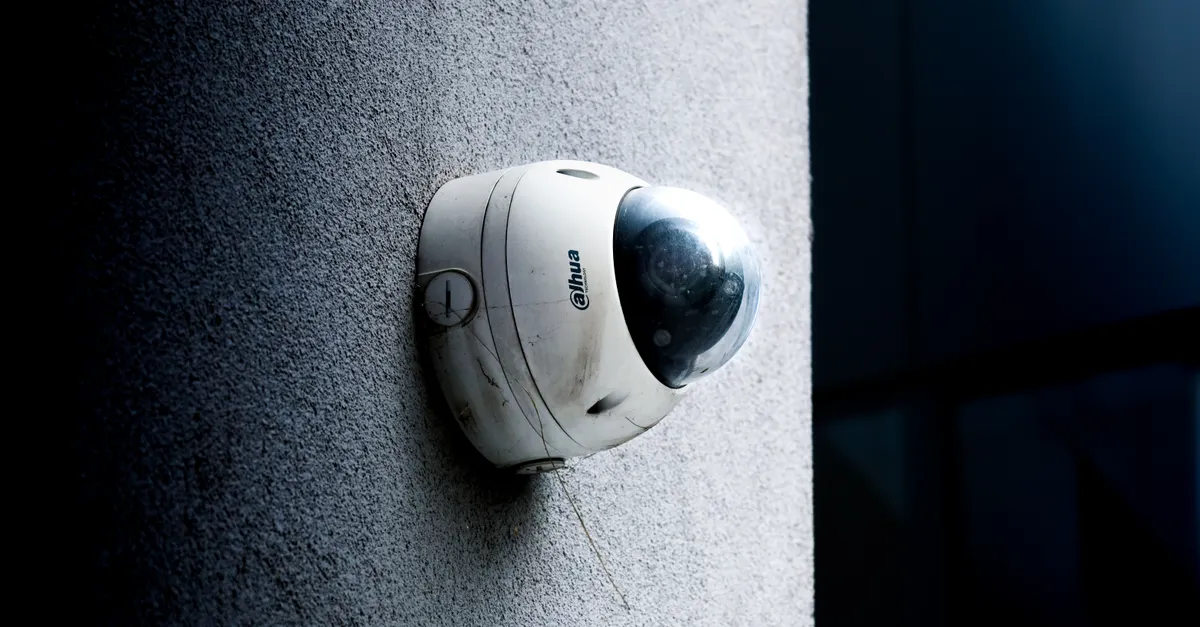
Introduction to AI-Driven Home Security
AI-powered security systems are designed to monitor your property using advanced algorithms that process data from cameras, sensors, and other connected devices. Unlike traditional setups that rely on basic motion detection, these systems analyze patterns, recognize objects, and adapt to your environment. Their growing popularity is driven by the promise of fewer false alarms, more relevant notifications, and seamless integration with other smart home technologies.
How AI Systems Generate Alerts and Notifications
At the core of an AI home security system is a set of sophisticated algorithms that interpret data from various sources. When a camera or sensor detects movement, the AI evaluates what triggered the event. For example, AI-powered cameras can distinguish between a person, an animal, or an inanimate object, dramatically reducing unnecessary alerts.
These systems use a combination of computer vision and machine learning. Computer vision enables cameras to “see” and categorize what’s happening, while machine learning allows the system to improve its accuracy over time by learning from past events. For instance, if a tree branch moving in the wind repeatedly triggers an alert, the AI can learn to ignore similar events in the future.
In addition to object recognition, AI security platforms often include real-time alerts and predictive analytics. Real-time alerts mean homeowners receive notifications within seconds of a potential threat, whether it’s a person approaching the door or a vehicle entering the driveway. Predictive analytics can anticipate risks by analyzing patterns, such as unusual activity at odd hours, and notify users proactively.
For a deeper dive into the technology powering these systems, you might find insights in resources covering AI home security system technology trends.
Key Benefits of AI-Enhanced Alerts and Notifications
One of the main advantages of AI home security system alerts and notifications is their ability to reduce false alarms. By distinguishing between people, animals, and vehicles, these systems ensure that you’re only notified about events that matter. This not only minimizes unnecessary disruptions but also increases your confidence in the system’s reliability.
Another significant benefit is customization. Many AI-enabled platforms allow users to set up custom detection zones and personalize the types of alerts they receive. For example, you might want to be notified only if someone enters your backyard after dark, or if a package is delivered to your porch. This level of control helps tailor the system to your lifestyle and security needs.
- Personalized alerts: Choose what events trigger notifications, such as people, vehicles, or specific areas.
- Reduced false alarms: AI algorithms filter out irrelevant motion, like pets or weather-related movement.
- Faster response: Real-time notifications help you act quickly in case of genuine threats.
These features not only improve peace of mind but also make it easier to manage your home’s security without feeling overwhelmed by constant, unnecessary alerts.
How AI Algorithms Reduce False Alarms
A common frustration with traditional security systems is the frequency of false alarms—notifications triggered by harmless events like a passing car or a neighborhood cat. AI addresses this challenge by using advanced object recognition and behavior analysis.
AI-powered cameras analyze the shape, movement, and context of detected objects. For example, the system can identify the difference between a person walking up your driveway and a dog running across the lawn. Some platforms even learn from your feedback; if you consistently dismiss certain types of alerts, the AI adapts and becomes less likely to notify you about similar events in the future.
This approach not only reduces the number of false alarms but also ensures that when you do receive a notification, it’s more likely to be important. Over time, the system becomes increasingly accurate, providing a smarter and more reliable security experience.
User Customization of Alerts and Notifications
Customization is a standout feature of modern AI security solutions. Homeowners can typically adjust settings to match their preferences and routines. This includes defining detection zones—specific areas where you want the system to monitor for activity—and choosing which types of events should trigger alerts.
For example, you might set your front porch as a high-priority zone to receive notifications about deliveries or visitors, while ignoring movement in the backyard during the day. Some systems also allow you to schedule when certain alerts are active, such as enabling full monitoring at night or when you’re away.
Personalized notifications can be delivered through various channels, including mobile apps, email, or even smart speakers. This flexibility ensures you stay informed in the way that works best for you, without being overwhelmed by irrelevant updates.
For more on tailoring your system, consider exploring AI home security system customization options to see how different platforms support user preferences.
Challenges and Limitations of AI in Security Alerts
While AI-driven alerts offer many advantages, there are still some challenges and limitations to consider. No system is perfect, and even the most advanced AI can occasionally misinterpret events, leading to missed detections or rare false positives.
Data privacy is another concern. AI systems often rely on cloud processing to analyze video and sensor data, raising questions about how your information is stored and used. It’s important to review the privacy policies of any system you choose and ensure that your data is protected.
Additionally, the effectiveness of AI algorithms depends on the quality of the hardware and the training data used to develop them. Poor lighting, obstructions, or outdated software can reduce the system’s accuracy. Regular updates and proper installation are essential to maintain optimal performance.
Integration with Other Smart Home Devices
A major benefit of AI-based security platforms is their ability to work seamlessly with other smart home devices. Integration allows you to automate responses, such as turning on lights when motion is detected or locking doors remotely if a threat is identified.
Many systems support popular smart home ecosystems, enabling you to control security features alongside thermostats, lighting, and more from a single app. This interconnected approach not only enhances convenience but also strengthens your home’s overall security posture.
However, integration can sometimes introduce complexity. Compatibility issues between devices or platforms may require additional setup or troubleshooting. It’s wise to check which smart home products are supported by your chosen security system before making a purchase.

Conclusion: The Future of AI in Home Security
AI is reshaping the landscape of home protection, offering smarter, more responsive, and customizable solutions for homeowners. As these technologies continue to evolve, we can expect even greater accuracy, more intuitive interfaces, and deeper integration with the broader smart home ecosystem. By understanding how AI home security system alerts and notifications work—and how to tailor them to your needs—you can take full advantage of the latest advancements in home security.
Frequently Asked Questions
How do AI home security systems distinguish between real threats and harmless activity?
AI-powered security platforms use object recognition and behavior analysis to differentiate between people, animals, vehicles, and inanimate objects. By analyzing movement patterns and shapes, the system can filter out routine or harmless events, ensuring that alerts are only triggered by genuine security concerns.
Can I customize the types of alerts I receive from my AI security system?
Yes, most modern systems allow you to personalize notifications. You can set detection zones, choose which types of activity should trigger alerts, and even schedule when certain notifications are active. This helps ensure you only receive relevant updates.
What are the main limitations of AI-generated alerts in home security?
While AI greatly reduces false alarms and improves accuracy, it is not infallible. Challenges include occasional misidentification, reliance on quality hardware, and potential privacy concerns related to cloud data processing. Regular updates and careful setup can help mitigate these issues.




