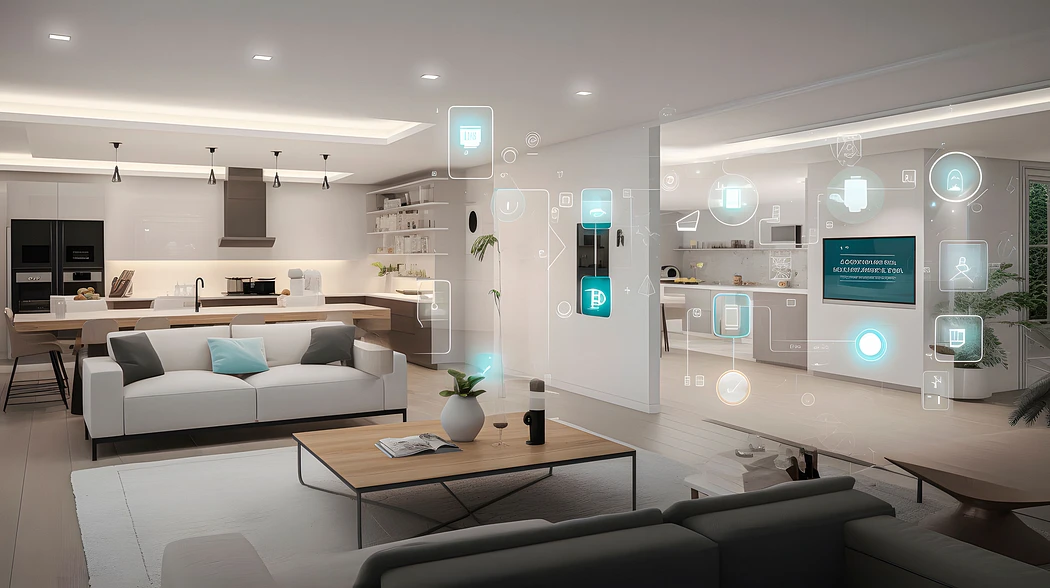
The integration of AI in smart home networking is transforming how we interact with our living spaces. From automating daily routines to enhancing security and energy efficiency, artificial intelligence is at the core of the next generation of connected homes. As more devices—from thermostats to security cameras—join the network, the need for intelligent coordination and seamless communication becomes essential. This article explores how AI is shaping home networks, the benefits it brings, and what homeowners should consider as they adopt these advanced technologies.
For readers interested in the technical and practical aspects of AI-powered homes, it’s also worth exploring related topics such as ai battery management systems for homes and the latest ai smart home security best practices. These resources provide deeper insight into the broader ecosystem of intelligent home solutions.
Understanding Artificial Intelligence in Home Networks
Artificial intelligence in home networking refers to the use of machine learning algorithms and data-driven decision-making to optimize how devices communicate and operate within a household. Unlike traditional automation, which follows preset rules, AI systems can learn from user behavior, adapt to changing conditions, and make proactive adjustments. This means your smart home can anticipate your needs, improve its own efficiency, and even detect potential issues before they become problems.
Some of the most common applications include:
- Predictive automation—adjusting lighting, temperature, or appliances based on learned routines.
- Network optimization—managing bandwidth and device prioritization for smooth streaming and connectivity.
- Security monitoring—analyzing video feeds or sensor data to detect unusual activity or potential threats.
- Energy management—reducing waste by intelligently controlling HVAC, lighting, and appliances.
As the number of connected devices grows, the complexity of managing them increases. AI acts as the “brain” of the smart home, ensuring that everything works together harmoniously.
How AI Enhances Smart Home Networking
One of the key benefits of AI-driven smart home networking is the ability to create a more personalized and responsive environment. By analyzing data from sensors, cameras, and user inputs, AI systems can:
- Automatically adjust settings to match your preferences and daily schedule.
- Identify and resolve connectivity issues, such as Wi-Fi dead zones or bandwidth congestion.
- Detect and alert you to unusual patterns, such as unexpected movement or energy spikes.
- Integrate with voice assistants and mobile apps for seamless control and feedback.
For example, a smart thermostat equipped with AI can learn when you typically leave for work and return home, adjusting temperatures accordingly to save energy without sacrificing comfort. Similarly, AI-powered security cameras can distinguish between familiar faces and strangers, reducing false alarms and improving peace of mind.

Key Technologies Powering AI-Driven Home Networks
The backbone of intelligent home networking is a combination of hardware and software innovations. Some of the most important technologies include:
- Machine learning algorithms—enable devices to recognize patterns and make predictions based on historical data.
- Edge computing—processes data locally on devices, reducing latency and improving privacy.
- Mesh Wi-Fi systems—use multiple access points to ensure consistent coverage and allow AI to optimize network traffic.
- Interoperability standards—such as Matter, which help devices from different brands work together seamlessly.
These technologies work together to create a robust and adaptive network that can handle the demands of modern smart homes. As AI capabilities continue to advance, expect even more sophisticated features and integrations in the near future.
Benefits of AI in Connected Homes
Adopting AI-powered smart home networking offers a range of advantages for homeowners:
- Convenience: Automate repetitive tasks and control devices with minimal effort.
- Security: Advanced monitoring and threat detection keep your home safer.
- Energy savings: AI optimizes usage to reduce utility bills and environmental impact.
- Personalization: Tailor settings and routines to your unique lifestyle.
- Scalability: Easily add new devices and features as your needs evolve.
For those interested in the research and development side, the ai smart home research topics guide provides a comprehensive overview of emerging trends and challenges in the field.
Challenges and Considerations for Homeowners
While the advantages are compelling, there are also important considerations when implementing AI in your home network:
- Privacy concerns: AI systems often rely on collecting and analyzing personal data. Look for solutions that offer robust privacy controls and transparent data policies.
- Compatibility: Not all devices or platforms work seamlessly together. Choosing products that support open standards can help avoid frustration.
- Security risks: As with any connected technology, vulnerabilities can exist. Regular updates and strong authentication are essential.
- Complexity: Setting up and managing a sophisticated network can be daunting. Many vendors now offer guided installation and support to simplify the process.
For a deeper dive into overcoming these hurdles, the ai smart home implementation challenges article provides practical advice and solutions for common issues.
Real-World Examples and Use Cases
AI-powered home networks are already making a difference in everyday life. Some practical examples include:
- Smart speakers that adjust music and lighting based on your mood or activity.
- Security systems that notify you only when a genuine threat is detected, reducing false alarms.
- Energy management platforms that learn your habits and automatically reduce consumption during peak hours.
- Appliances that self-diagnose issues and suggest maintenance before breakdowns occur.
For a broader overview of available products and their capabilities, see this comprehensive guide to AI-powered smart home devices.
Students and enthusiasts looking for inspiration can also check out ai smart home project ideas for hands-on projects and experiments.
FAQ: Common Questions About AI and Home Networking
How does AI improve the reliability of my home network?
AI can monitor network traffic, detect bottlenecks, and automatically reroute data to maintain strong connections. This results in fewer dropped signals and smoother streaming or video calls, even as more devices are added to the network.
Is it safe to use AI-powered devices in my home?
Most reputable brands prioritize security and privacy. However, it’s important to keep devices updated, use strong passwords, and review privacy settings regularly. Choosing products that are transparent about data usage can further enhance safety.
Can I integrate older devices with new AI-driven systems?
Some older devices may not be compatible with the latest AI features or standards. However, using hubs or bridges that support multiple protocols can help connect legacy equipment to modern smart home networks.
Looking Ahead: The Future of Intelligent Home Networks
The evolution of AI in smart home networking is just beginning. As machine learning and connectivity standards advance, homes will become even more adaptive, secure, and efficient. Homeowners can look forward to smarter automation, better energy management, and a more personalized living experience. By staying informed and making thoughtful choices, it’s possible to enjoy all the benefits of a truly intelligent home environment.