
The integration of AI in smart home security cameras is transforming how homeowners protect their properties. Artificial intelligence is no longer a futuristic concept; it’s now embedded in everyday devices, providing smarter, faster, and more reliable security solutions. These advancements go beyond simple motion detection, offering features like facial recognition, package detection, and real-time alerts that help prevent false alarms and improve overall safety.
Understanding how artificial intelligence enhances home surveillance can help you make informed decisions about upgrading your own security system. This article explores the key technologies behind AI-powered cameras, their practical benefits, and what to consider when choosing the right solution for your needs. For those interested in broader applications of AI at home, you might also find value in learning about ai home automation for energy storage and other related innovations.
How Artificial Intelligence Enhances Home Surveillance
Traditional security cameras have long been used to monitor homes, but they often generate numerous false alerts triggered by pets, passing cars, or changes in lighting. AI-powered security cameras use advanced algorithms to analyze video feeds and distinguish between different types of movement. This means the system can tell the difference between a person, an animal, or a swaying tree branch, greatly reducing unnecessary notifications.
Some of the most notable features enabled by artificial intelligence include:
- Facial recognition: Identifies familiar faces and can alert you to unknown visitors.
- Object detection: Recognizes specific objects such as packages, vehicles, or animals.
- Activity zones: Allows users to set specific areas for monitoring, so only relevant motion triggers alerts.
- Smart notifications: Sends real-time alerts only when genuine threats are detected.
These capabilities make AI-driven security systems more efficient and user-friendly, providing peace of mind without overwhelming you with irrelevant information.
Key Benefits of AI in Modern Security Cameras
The adoption of artificial intelligence in home security cameras brings several practical advantages:
- Reduced false alarms: By accurately identifying people, animals, and objects, AI minimizes unnecessary alerts.
- Faster response times: Real-time analysis allows for immediate notifications, enabling quicker action in case of a security breach.
- Improved privacy controls: Many systems let users customize which faces or objects to track, helping maintain privacy for family and friends.
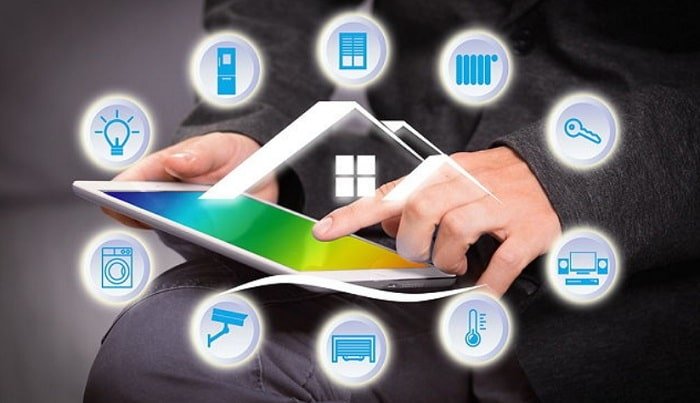
- Integration with smart home ecosystems: AI cameras often work seamlessly with other smart devices, such as lights, locks, and alarms, for a comprehensive security solution.
For those interested in optimizing their entire smart home, exploring ai mesh networks for homes can further enhance connectivity and device coordination.
Popular AI Features in Home Security Systems
Today’s AI-enhanced security cameras come equipped with a range of smart features that set them apart from older models. Some of the most popular include:
- Two-way audio: Enables communication with visitors or delivery personnel directly through the camera app.
- Night vision with AI enhancement: Provides clear images even in low-light conditions, with AI distinguishing between people and other objects.
- Automated event recording: AI determines when to start and stop recording based on detected activity, saving storage space and making it easier to review footage.
- Integration with voice assistants: Many systems work with Alexa, Google Assistant, or Siri for hands-free control and notifications.
These features help homeowners stay connected and in control, whether they’re at home or away.
Choosing the Right AI-Powered Security Camera
Selecting the best AI-enabled camera for your home depends on several factors. Here are some key considerations:
- Camera resolution: Higher resolution provides clearer images, which is crucial for identifying faces and details.
- Field of view: A wider angle covers more area, reducing the number of cameras needed.
- Cloud vs. local storage: Decide whether you prefer footage stored in the cloud for remote access or locally for added privacy.
- Subscription requirements: Some advanced AI features may require a monthly subscription. Review what’s included with your purchase.
- Compatibility: Ensure the camera integrates with your existing smart home devices and platforms.
For those interested in programming and customizing their smart home systems, learning about ai home automation programming basics can be highly beneficial.
Privacy and Security Considerations
While AI in smart home security cameras offers significant benefits, it’s important to consider privacy and data protection. Many systems use cloud storage and internet connectivity, which can introduce risks if not properly secured. Look for cameras that offer end-to-end encryption, customizable privacy zones, and regular software updates.
Additionally, review the manufacturer’s privacy policy to understand how your data is used and stored. Some brands allow users to opt out of certain data collection practices or store footage locally for added control.
For a deeper dive into analyzing and optimizing your smart home’s performance, the ai smart home analytics guide provides valuable insights.
Integrating AI Cameras with Other Smart Home Devices
One of the strengths of modern security systems is their ability to work alongside other smart devices. AI-powered cameras can trigger lights, alarms, or even lock doors automatically when suspicious activity is detected. This level of automation creates a more responsive and proactive security environment.
For example, pairing your camera with a smart doorbell or integrating it into a mesh network ensures seamless coverage and communication throughout your home. If you’re interested in how AI can manage energy use and battery systems, the ai battery management systems for homes article is a helpful resource.
Future Trends in AI-Driven Home Security
The field of AI in residential security is rapidly evolving. Future developments are likely to include even more sophisticated recognition capabilities, such as distinguishing between family members, guests, and strangers with higher accuracy. Expect to see improvements in edge computing, where data is processed locally on the device, reducing reliance on the cloud and enhancing privacy.
Integration with broader smart home automation platforms will continue to grow, making it easier for homeowners to manage security, energy, and convenience from a single interface. For a comprehensive overview of how AI is shaping home automation, see this in-depth article on AI and smart home automation.
FAQ
How does AI reduce false alarms in home security cameras?
AI algorithms analyze video feeds to differentiate between people, animals, vehicles, and other objects. This reduces the number of unnecessary alerts caused by non-threatening movements, such as pets or weather changes.
Are AI-powered security cameras difficult to install?
Most modern AI-enabled cameras are designed for easy installation, often requiring only a Wi-Fi connection and a smartphone app. Many models offer step-by-step setup guides and can be integrated with existing smart home systems.
Is my data safe with AI security cameras?
Security depends on the manufacturer’s privacy practices and the features offered. Look for cameras with end-to-end encryption, regular software updates, and options for local storage to enhance data protection.
Can AI cameras work with other smart home devices?
Yes, many AI-powered cameras are compatible with smart lights, locks, alarms, and voice assistants. This allows for automated responses and centralized control within your home ecosystem.