The global population is aging rapidly, and with this demographic shift comes an urgent need for innovative solutions that support independent living and safety for older adults. AI motion detection for seniors is emerging as a transformative technology, offering real-time monitoring, fall detection, and peace of mind for families and caregivers. By leveraging artificial intelligence, these systems can intelligently track movement, recognize unusual activity, and provide timely alerts—helping seniors remain safe in their own homes.
This guide explores how smart movement tracking powered by AI is reshaping elder care. We’ll cover how these systems work, their key benefits, practical applications, and what to consider when choosing a solution. If you’re interested in broader smart home automation topics, you may also find our article on ai home automation programming basics helpful for understanding the foundations of connected living.
How AI-Powered Movement Tracking Works
At its core, AI motion detection for seniors uses a combination of sensors, cameras, and advanced algorithms to monitor activity in real time. Unlike traditional motion sensors that simply detect movement, AI-enhanced systems can distinguish between normal daily activities and potential emergencies, such as falls or prolonged inactivity. This is achieved through machine learning models trained on vast datasets of human movement patterns.
Key components include:
- Sensors: Devices placed around the home or worn by the individual capture data on movement, location, and sometimes vital signs.
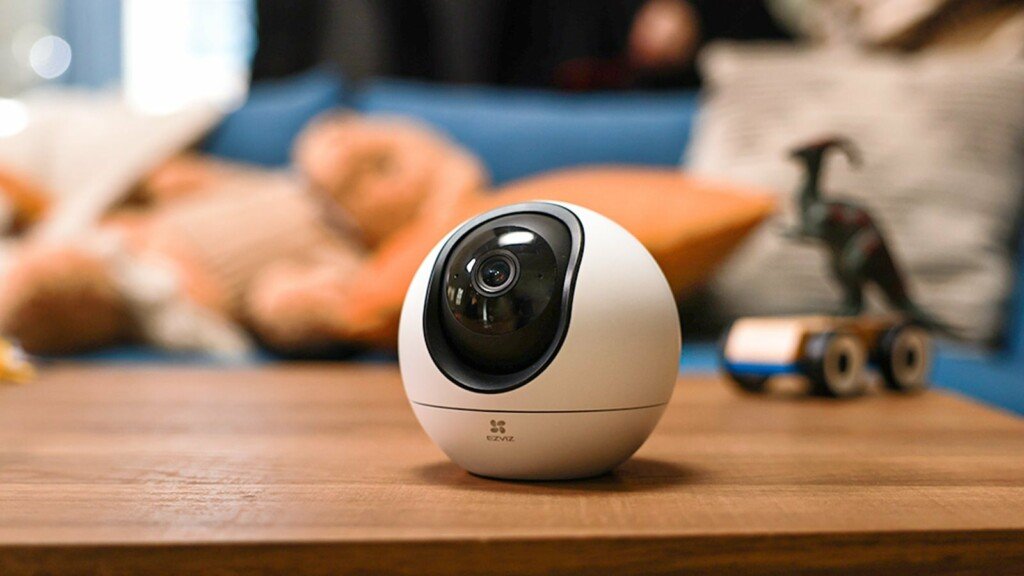
- Cameras: Smart cameras with AI capabilities can recognize specific actions, such as walking, sitting, or lying down.
- Cloud Processing: Data is analyzed in real time, allowing the system to identify unusual patterns and trigger alerts if needed.
Some solutions integrate with other smart home technologies, providing a seamless experience for both seniors and caregivers. For those interested in energy efficiency and storage, integrating ai home automation for energy storage can further enhance the benefits of a connected home.
Benefits of AI Motion Detection in Elder Care
The adoption of AI-driven monitoring systems brings a range of advantages for seniors, families, and healthcare professionals. Here are some of the most significant benefits:
- Enhanced Safety: Immediate detection of falls or irregular activity allows for rapid response, reducing the risk of serious injury.
- Increased Independence: Seniors can maintain autonomy, knowing that help is available if needed, without intrusive supervision.
- Peace of Mind: Family members and caregivers receive real-time notifications, ensuring they stay informed about their loved one’s well-being.
- Reduced Caregiver Burden: Automated monitoring reduces the need for constant physical checks, freeing up time for caregivers to focus on other tasks.
- Data-Driven Insights: Long-term activity data can help healthcare providers tailor care plans and identify emerging health issues.
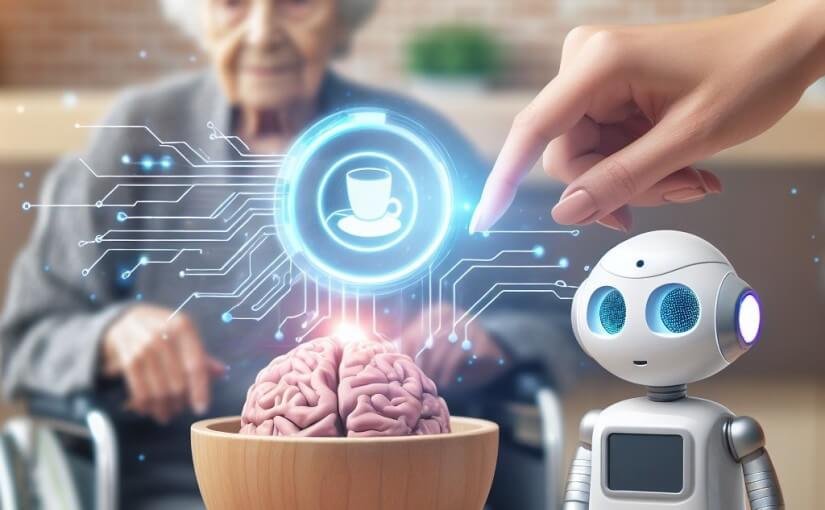
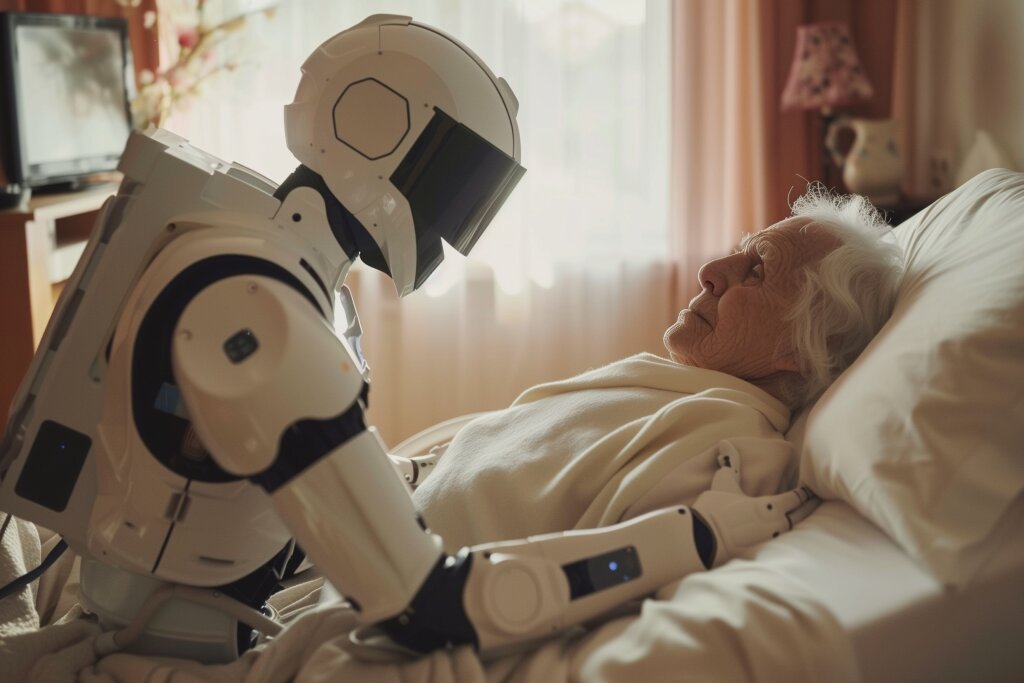
A recent article on how AI companions are redefining elder care highlights the growing role of artificial intelligence in boosting safety, combating loneliness, and scaling support for older adults.
Real-World Applications of Smart Movement Tracking
The practical uses of AI-based monitoring systems are diverse, ranging from in-home safety to assisted living facilities. Here are some common scenarios:
- Fall Detection: AI algorithms can instantly recognize when a person has fallen and automatically alert caregivers or emergency services.
- Wandering Prevention: For seniors with dementia or Alzheimer’s, smart sensors can detect if someone leaves a designated safe area and send notifications.
- Daily Activity Monitoring: Tracking routines such as eating, sleeping, and bathroom visits helps identify changes that may indicate health concerns.
- Remote Check-Ins: Family members can check on their loved ones through connected apps, reducing the need for frequent phone calls or visits.

Wearable devices, such as smartwatches with built-in motion sensors, are gaining popularity for their convenience and portability. Meanwhile, fixed cameras and sensors can cover entire rooms or hallways, providing comprehensive coverage for those who prefer not to wear devices.
Choosing the Right AI Monitoring Solution
When selecting a smart movement tracking system, it’s important to consider the specific needs of the individual and the home environment. Here are some factors to keep in mind:
- Type of Monitoring: Decide between wearable devices, fixed sensors, or a combination of both for optimal coverage.
- Privacy: Look for solutions that prioritize data security and allow users to control who can access their information.
- Integration: Ensure compatibility with other smart home devices, such as lighting, alarms, or voice assistants. For more on this, see our guide to ai predictive analytics in smart homes.
- Ease of Use: Systems should be simple to set up and operate, especially for seniors who may not be tech-savvy.
- Support and Maintenance: Choose providers with reliable customer support and regular software updates.
It’s also wise to involve the senior in the decision-making process, ensuring they feel comfortable and empowered by the technology rather than overwhelmed.

Challenges and Considerations
While the advantages of AI-driven monitoring are clear, there are also challenges to address. Privacy is a top concern, especially with camera-based systems. It’s essential to choose solutions that offer robust data protection and transparent policies. Additionally, false alarms—while less common with AI—can still occur, so systems should allow for easy verification and adjustment of sensitivity settings.
Cost is another factor, as advanced systems may require a significant upfront investment. However, the long-term savings in healthcare and caregiving costs can often justify the expense. For those interested in optimizing home energy use alongside safety, exploring ai battery management systems for homes can provide further value.
Frequently Asked Questions
What makes AI-based motion detection better than traditional sensors?
AI-powered systems go beyond simple movement detection by analyzing patterns and distinguishing between normal and abnormal activities. This reduces false alarms and enables features like fall detection, making them more reliable and responsive for elder care.
Are these systems difficult for seniors to use?
Most modern solutions are designed with user-friendliness in mind. Many devices operate automatically after initial setup, requiring little to no daily interaction from the senior. Some even offer voice commands or simple mobile apps for added convenience.
How is privacy protected with smart monitoring technologies?
Reputable providers use data encryption, secure cloud storage, and allow users to control who can access their information. It’s important to review privacy policies and choose systems that align with your comfort level and legal requirements.
Conclusion
AI motion detection for seniors is reshaping how we approach safety, independence, and peace of mind for older adults. By combining intelligent monitoring with user-friendly design, these technologies empower seniors to live confidently at home while keeping families and caregivers connected. As the technology continues to evolve, it promises even greater integration, accuracy, and support for aging populations worldwide.