As the global population ages, families and caregivers are increasingly seeking reliable ways to support seniors in their daily routines. Voice assistants for elderly care are emerging as a practical solution, offering hands-free help with reminders, communication, safety, and entertainment. These smart devices can make independent living more manageable and less stressful for older adults, while also providing peace of mind for loved ones.
Modern voice-controlled technology is designed to be intuitive and accessible, even for those with limited technical experience. By simply speaking commands or questions, seniors can access information, control smart home devices, or connect with family members. This guide explores how these tools are transforming support for older adults, the benefits and challenges they bring, and how to choose the right device for your needs.
For those interested in broader smart home solutions, you may also want to explore AI remote home monitoring for additional safety and convenience features.
How Voice-Activated Devices Empower Seniors
The integration of voice assistants for elderly care into daily life can significantly improve independence and well-being. These devices, such as Amazon Alexa, Google Assistant, and Apple’s Siri, are designed to respond to spoken commands, making them ideal for users with mobility or vision challenges.
- Medication Reminders: Voice assistants can be programmed to remind users to take medications at specific times, reducing the risk of missed doses.
- Daily Schedules: Seniors can ask their device about appointments, weather, or news, helping them stay organized and informed.
- Emergency Assistance: Many systems can be set up to call emergency contacts or services with a simple voice command.
- Home Automation: With compatible smart home devices, users can control lights, thermostats, and locks without needing to move around the house.
- Social Connection: Voice assistants can facilitate hands-free calls and messages, helping seniors stay connected with family and friends.
Key Benefits of Smart Voice Technology for Older Adults
The advantages of using voice-controlled devices in senior care go beyond convenience. Here are some of the most impactful benefits:
- Accessibility: No need to navigate complex menus or small screens—just speak naturally to interact with the device.
- Reduced Isolation: Easy access to communication tools helps prevent loneliness and keeps users engaged with their social circles.
- Enhanced Safety: Quick access to help in emergencies and the ability to control home security devices add a layer of protection.
- Encouragement of Routine: Automated reminders and prompts help maintain healthy habits and daily structure.
- Entertainment and Cognitive Engagement: Voice assistants can play music, audiobooks, trivia games, or even guide users through exercises, supporting mental and emotional health.

Choosing the Right Voice Assistant for Senior Needs
Selecting a suitable device involves considering the user’s comfort with technology, specific care needs, and the home environment. Here are some tips for making the best choice:
- Ease of Use: Look for devices with simple setup processes and clear, loud speakers.
- Compatibility: Ensure the assistant works with any existing smart home devices or medical alert systems.
- Privacy and Security: Review privacy settings and data handling policies. Some users may prefer devices that allow for more control over data sharing.
- Support for Multiple Languages: If the user is more comfortable in a language other than English, check for multilingual support.
- Physical Placement: Place devices in central locations where voice commands can be easily heard and responded to.
Integrating Voice Technology with Broader Smart Home Solutions
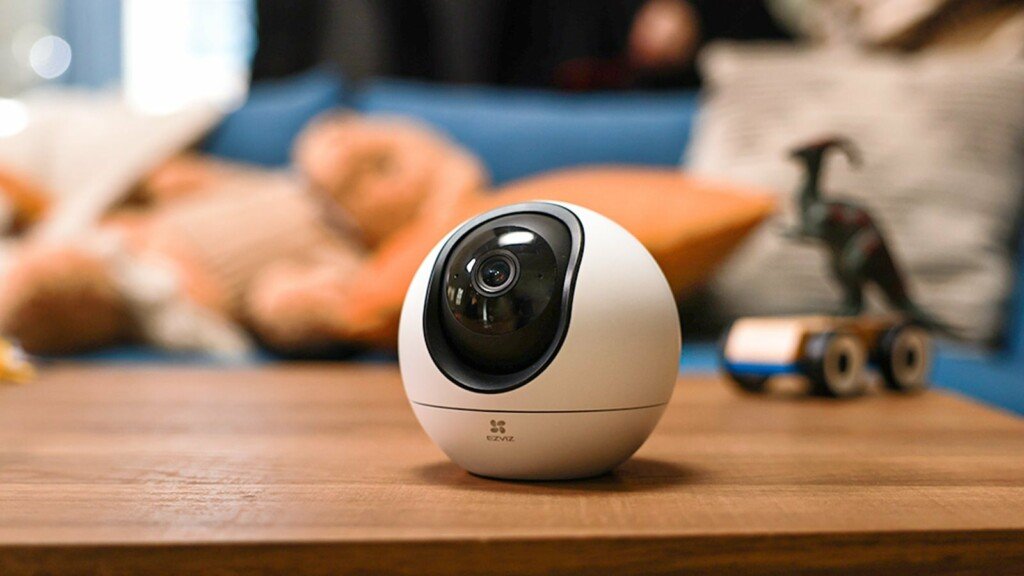
Voice assistants are often most effective when combined with other smart home technologies. For example, pairing a voice assistant with smart cameras, door sensors, or automated lighting can further enhance safety and convenience. If you’re interested in expanding your setup, consider exploring AI battery management systems for homes or AI green smart homes with AI technology to improve energy efficiency and sustainability.
For caregivers, integrating these technologies can also streamline monitoring and support. Features like remote check-ins, activity tracking, and environmental controls can be managed through a single voice command, reducing the need for multiple apps or manual checks.
Challenges and Considerations in Adopting Voice Assistants
While the advantages are clear, there are some challenges to keep in mind when introducing voice-controlled devices to older adults:
- Learning Curve: Some seniors may need time and support to become comfortable with new technology.
- Privacy Concerns: Voice assistants are always listening for wake words, which can raise concerns about data privacy and security.
- Internet Dependence: Most devices require a stable internet connection to function properly, which may not be available in all homes.
- Cost: While many basic devices are affordable, adding smart home accessories can increase the overall investment.
Addressing these concerns often involves patient guidance, clear explanations, and involving seniors in the setup process. For more on the role of artificial intelligence in senior support, see this in-depth look at AI in elderly care.

Best Practices for Introducing Voice-Activated Support
To maximize the benefits of voice technology for seniors, consider these practical steps:
- Start Simple: Introduce basic commands first, such as asking for the time, weather, or playing music.
- Personalize Settings: Adjust volume, language, and accessibility features to suit the user’s preferences.
- Demonstrate Use: Walk through common scenarios together, such as setting reminders or making calls.
- Encourage Regular Use: The more often the device is used, the more comfortable and confident the user will become.
- Monitor and Update: Keep devices updated with the latest software and security patches, and periodically review settings for optimal performance.
For those interested in student projects or further smart home enhancements, AI smart home project ideas for students offers inspiration for integrating new features and learning opportunities.
FAQ
Are voice assistants safe for seniors to use?
Yes, most modern voice-controlled devices are designed with safety and privacy in mind. They can provide quick access to emergency contacts and help monitor daily routines. However, it’s important to review privacy settings and ensure the device is set up to protect personal information.
Can these devices help with medication management?
Absolutely. Voice assistants can be programmed to give reminders for medications, doctor’s appointments, and other important tasks. This feature helps reduce the risk of missed doses and supports adherence to care plans.
What if the senior is not comfortable with technology?
Many voice assistants are designed to be user-friendly, requiring only simple spoken commands. Starting with basic functions and providing hands-on demonstrations can help build confidence. Involving family members or caregivers in the setup process can also ease the transition.
Do voice assistants require internet access?
Most devices do need a stable internet connection to function fully, as they rely on cloud-based processing for voice recognition and many features. Some basic functions may work offline, but for the best experience, a reliable connection is recommended.