
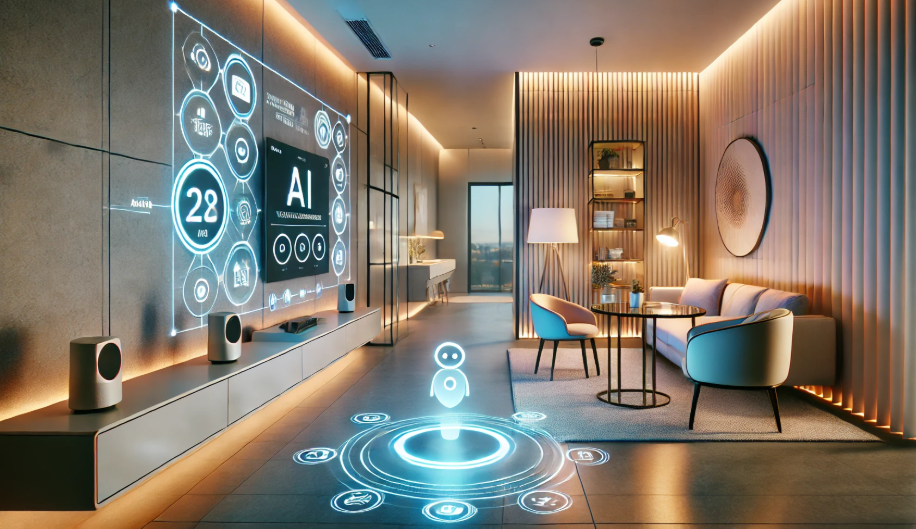
The rapid growth of artificial intelligence in home automation is transforming how we interact with our living spaces. As more homeowners seek to integrate smart devices, understanding which products work seamlessly together is essential. This ai smart home compatibility guide provides a practical roadmap for building a connected, intelligent home where devices communicate efficiently and reliably.
From voice assistants and lighting systems to security cameras and thermostats, the landscape of smart home technology is vast and sometimes confusing. Compatibility issues can lead to frustration, wasted investments, and missed opportunities for automation. By learning about protocols, ecosystems, and best practices, you can make informed choices and avoid common pitfalls.
For those interested in energy management, exploring ai battery management systems for homes can further enhance the efficiency and sustainability of your setup. Let’s dive into the essentials of creating a harmonious smart home environment.
Understanding Smart Home Ecosystems and Protocols
One of the first steps in any smart home compatibility journey is recognizing the importance of ecosystems and communication protocols. Major ecosystems—such as Amazon Alexa, Google Home, Apple HomeKit, and Samsung SmartThings—each have their own standards for device integration. Selecting a primary ecosystem helps streamline setup and ensures better interoperability among devices.
Communication protocols are the languages smart devices use to talk to each other. The most common include:
- Wi-Fi: Offers high bandwidth and direct internet connectivity, ideal for cameras and streaming devices.
- Zigbee: A low-power mesh protocol popular for sensors, bulbs, and switches.
- Z-Wave: Similar to Zigbee, known for reliability and security, but with a smaller device ecosystem.
- Bluetooth: Used for short-range connections, such as smart locks and speakers.
- Thread: A newer mesh protocol designed for low power and high reliability, increasingly supported by modern devices.
Choosing devices that use compatible protocols with your hub or controller is crucial for smooth operation.
Key Considerations for Device Compatibility
When building a connected home, keep these factors in mind to maximize compatibility:
- Check Ecosystem Support: Ensure devices are certified for your chosen ecosystem (e.g., “Works with Alexa” or “Apple HomeKit Compatible”).
- Protocol Matching: Devices must share the same protocol as your hub or controller. For example, a Zigbee hub cannot control Z-Wave-only devices.
- Firmware Updates: Regular updates can improve compatibility and security. Always keep devices up to date.
- Cloud vs. Local Control: Some devices rely on cloud services, while others can operate locally. Local control often offers faster response and better privacy.
- Interoperability Standards: Look for products supporting emerging standards like Matter, which aims to unify device compatibility across brands and ecosystems.
Integrating AI for Smarter Automation
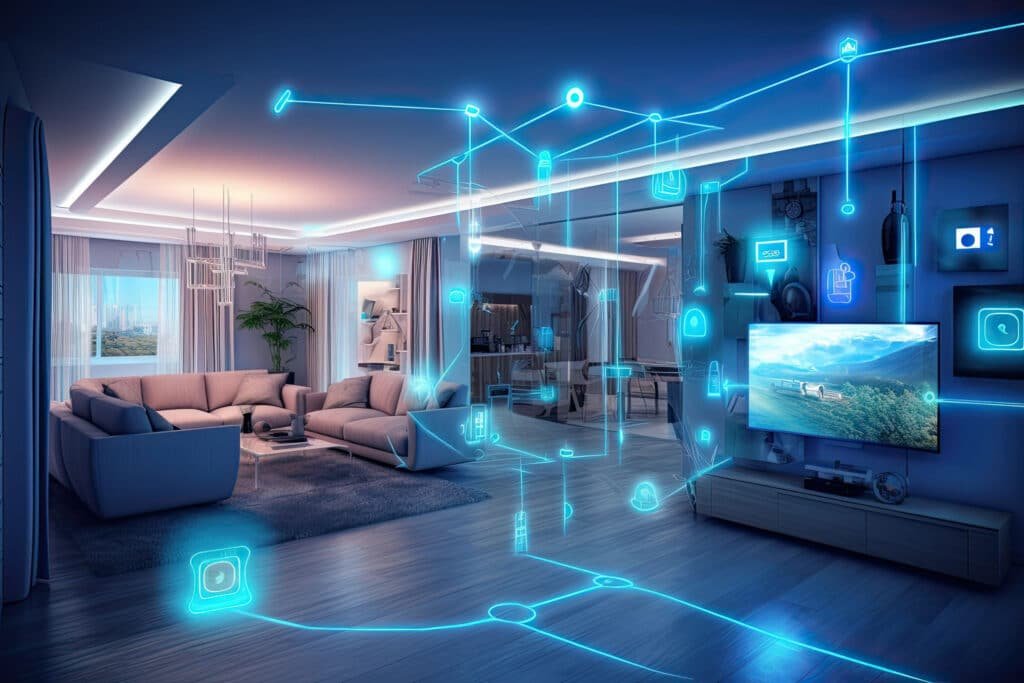
Artificial intelligence is the engine behind advanced automation and personalization in modern homes. AI-powered platforms can learn your routines, optimize energy usage, and even anticipate your needs. For example, smart thermostats adjust temperatures based on occupancy patterns, while security systems use AI to distinguish between people, pets, and vehicles.
To get the most from AI-driven automation, choose devices and platforms that support robust data sharing and machine learning features. Many hubs now offer built-in AI capabilities, or you can integrate third-party services for more advanced routines. For inspiration, check out these ai smart home project ideas that showcase innovative uses of artificial intelligence in home environments.
Ensuring Security and Privacy in Connected Homes
As smart homes become more interconnected, security and privacy are increasingly important. Here are some best practices to protect your network and data:
- Change Default Passwords: Always set unique, strong passwords for each device and your Wi-Fi network.
- Enable Two-Factor Authentication: Use 2FA wherever possible for added account protection.
- Segment Your Network: Place smart home devices on a separate Wi-Fi network or VLAN to isolate them from sensitive data.
- Review Permissions: Limit device access to only the data and functions necessary for operation.
- Monitor for Updates: Regularly check for firmware and app updates to patch vulnerabilities.
For a deeper dive into remote monitoring and security, read about ai remote home monitoring and how it enhances peace of mind.
Optimizing Energy Efficiency with AI Integration
Energy management is a major benefit of intelligent home systems. AI can help reduce utility costs and environmental impact by automating lighting, heating, cooling, and appliance usage. Smart plugs, energy monitors, and adaptive scheduling are just a few tools that leverage AI for greener living.
Those interested in sustainable technology can learn more from resources on ai green smart homes with ai, which explore how artificial intelligence is shaping eco-friendly living spaces.

Future-Proofing Your Smart Home Setup
The world of connected devices is evolving rapidly, with new standards and technologies emerging each year. To ensure your investment stands the test of time:
- Choose Devices with Matter Support: Matter is a universal standard designed to improve cross-brand compatibility and simplify integration.
- Opt for Modular Systems: Select hubs and controllers that allow easy addition or replacement of devices as technology advances.
- Stay Informed: Follow reputable sources and blogs, such as this comprehensive overview of artificial intelligence in the home, to keep up with the latest trends and best practices.
- Test Before Committing: If possible, trial new devices in small setups before fully integrating them into your home network.
For those interested in occupancy-based automation, the article on ai occupancy detection in homes offers insights into how AI can make your environment more responsive and efficient.
Common Pitfalls and How to Avoid Them
Even with careful planning, some challenges are common when building a smart home:
- Mixing Incompatible Protocols: Always verify that your devices and hubs use the same communication standards.
- Ignoring Firmware Updates: Outdated devices may lose compatibility or become security risks.
- Overloading Wi-Fi Networks: Too many devices on a single network can cause congestion. Consider mesh Wi-Fi or dedicated smart home networks.
- Neglecting Privacy Settings: Review and adjust privacy controls for each device to minimize data exposure.
By staying vigilant and informed, you can avoid these issues and enjoy a seamless, intelligent living space.
FAQ
What is the best way to ensure my smart home devices are compatible?
Start by selecting a primary ecosystem (such as Alexa, Google Home, or Apple HomeKit) and stick with devices certified for that platform. Always check the supported protocols (Wi-Fi, Zigbee, Z-Wave, etc.) and look for products that support universal standards like Matter for future-proofing.
Can I mix devices from different brands in my smart home?
Yes, many modern devices are designed to work across brands, especially if they support common protocols or standards. However, always verify compatibility with your chosen hub or controller before purchasing.
How does AI improve smart home automation?
AI enables advanced automation by learning your habits, optimizing device schedules, and providing personalized experiences. For example, AI can adjust lighting and temperature based on occupancy or predict when to activate security features, making your home more efficient and responsive.
Are there security risks with connected home devices?
Like any internet-connected technology, smart home devices can be vulnerable if not properly secured. Use strong passwords, enable two-factor authentication, keep devices updated, and segment your network to reduce risks.
What is Matter, and why is it important for compatibility?
Matter is a new industry standard designed to simplify device integration and improve interoperability across brands and ecosystems. Devices supporting Matter are more likely to work together seamlessly, making it easier to build and expand your smart home.