As technology advances, the way we secure our homes is evolving rapidly. AI smart door locks are at the forefront of this transformation, offering homeowners new levels of convenience, security, and control. These intelligent devices go beyond traditional locking mechanisms by integrating artificial intelligence, allowing for smarter access management and proactive protection against threats. If you’re considering upgrading your home’s entry system, understanding how these locks work and what benefits they offer is essential.
Before diving into the details, it’s worth noting that the rise of AI-powered home technology is part of a broader trend in smart home automation. For those interested in related innovations, you might also explore ai battery management systems for homes, which can further enhance your home’s efficiency and resilience.
What Sets AI-Enabled Door Locks Apart?
Unlike basic electronic or keypad locks, AI-powered door locks use advanced algorithms to enhance both security and user experience. These devices can learn from your habits, recognize authorized users, and even detect unusual activity at your doorstep. The integration of artificial intelligence means your lock isn’t just reacting to commands—it’s actively monitoring and adapting to your household’s routines.
Some of the key features that distinguish these systems include:
- Facial recognition and biometric authentication for seamless, keyless entry
- Real-time alerts and notifications about entry attempts or security breaches
- Integration with other smart home devices for automated routines
- Remote access and control via smartphone apps
- Continuous software updates to improve security and add features
For a deeper look at how artificial intelligence is shaping the modern home, check out this comprehensive overview of AI’s impact on smart home technology.
How AI Door Locks Work: Core Technologies Explained
At the heart of every AI-driven lock is a combination of sensors, connectivity modules, and machine learning algorithms. Here’s how these components come together to provide smarter security:
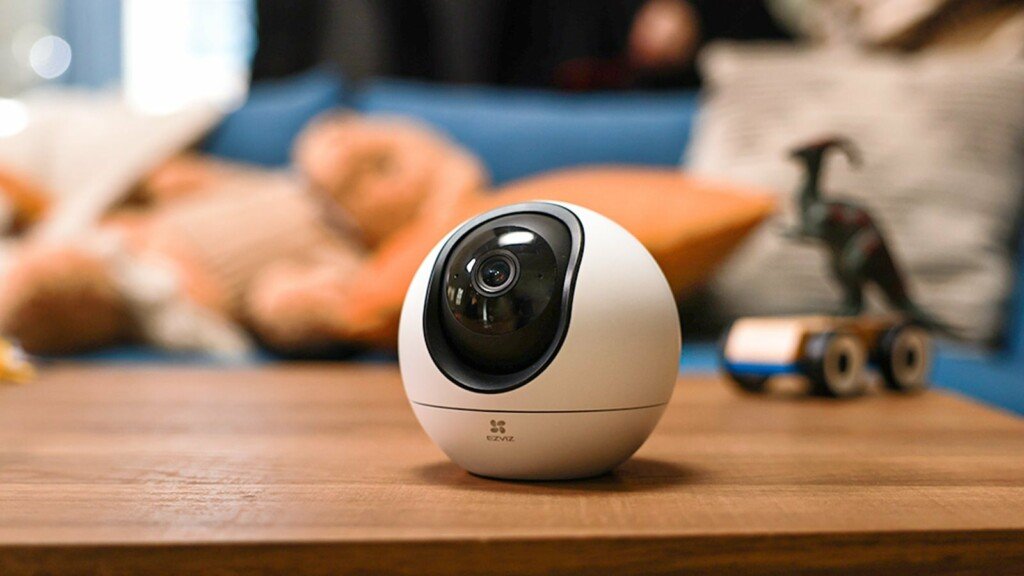
- Sensors and Cameras: Many models include built-in cameras and motion detectors. These sensors gather data about who approaches your door and how they interact with the lock.
- Biometric Scanning: Fingerprint readers and facial recognition systems use AI to verify identities quickly and accurately, reducing the risk of unauthorized access.
- Connectivity: Wi-Fi and Bluetooth modules allow the lock to communicate with your smartphone, smart speakers, or home automation hub. This enables remote locking, unlocking, and monitoring.
- Machine Learning: Over time, the lock learns your household’s patterns—such as typical entry times or frequent visitors—and can flag unusual activity for your attention.

Benefits of AI-Driven Locks for Homeowners
Choosing an AI-based locking system offers several advantages over traditional and even standard smart locks. Here are some of the most significant benefits:
- Enhanced Security: AI algorithms can detect and respond to suspicious behavior, such as repeated failed entry attempts or unfamiliar faces at the door.
- Personalized Access: Grant temporary or scheduled access to guests, cleaners, or service providers without sharing physical keys.
- Convenience: Unlock your door with a glance, fingerprint, or remotely from your phone—no more fumbling for keys.
- Integration: Seamlessly connect your lock with other smart home systems, such as lighting, alarms, or ai home automation for energy storage, for a unified experience.
- Peace of Mind: Receive instant notifications and review access logs anytime, anywhere.
Comparing AI Locks to Traditional Smart Locks
While both types of devices offer keyless convenience, AI-enabled versions provide a more adaptive and proactive approach to home security. Here’s a quick comparison:
| Feature | Traditional Smart Lock | AI-Enabled Lock |
|---|---|---|
| Authentication | PIN, app, or key fob | Biometrics, facial recognition, app |
| Threat Detection | Basic alerts | Intelligent, context-aware alerts |
| Learning Capabilities | None | Adapts to user routines |
| Integration | Limited | Advanced, multi-device automation |
Installation and Compatibility Considerations
Most AI-powered locks are designed for straightforward installation, often fitting standard door preps. However, homeowners should consider:
- Door Compatibility: Check that your door’s thickness and material are suitable for the chosen lock model.
- Power Source: Many locks are battery-operated, with low-battery alerts and backup options.
- Connectivity: Reliable Wi-Fi or Bluetooth is essential for remote access and updates.
- Privacy: Review the manufacturer’s privacy policy regarding data storage and sharing, especially for models with cameras or microphones.
Potential Challenges and Security Best Practices
While AI-based locks offer many advantages, homeowners should be aware of potential challenges:
- Cybersecurity Risks: Like any connected device, smart locks can be vulnerable to hacking. Choose reputable brands with strong encryption and regular software updates.
- Power Failures: Ensure your lock has backup entry options, such as a physical key or emergency battery port.
- Privacy Concerns: Be mindful of how biometric and access data is stored and used. Opt for devices that prioritize user privacy.
For those interested in broader smart home safety, consider reading about ai smart home disaster management systems to further safeguard your property.
Integrating AI Locks with Broader Smart Home Ecosystems
One of the greatest strengths of AI-enabled locks is their ability to work in harmony with other connected devices. For example, you can set routines where unlocking the door triggers lights to turn on, thermostats to adjust, or security cameras to activate. This level of integration not only boosts convenience but also enhances overall home security.
Advanced users may also benefit from exploring ai predictive analytics in smart homes, which can further optimize how your smart devices interact and respond to daily patterns.
FAQ: Common Questions About AI-Enhanced Door Locks
Are AI-powered locks more secure than traditional locks?
Generally, yes. The combination of biometric authentication, real-time monitoring, and adaptive learning makes AI locks harder to bypass than standard mechanical or basic electronic locks. However, it’s important to choose a model with robust cybersecurity measures and keep its firmware updated.
Can I still use a physical key with an AI smart lock?
Most models retain a backup key option for emergencies, such as power outages or technical issues. Always check the product specifications to ensure this feature is included if it’s important to you.
Will my AI lock work with my existing smart home devices?
Many AI locks are designed to integrate with popular home automation platforms, including voice assistants and security systems. Verify compatibility before purchasing, especially if you already use devices like smart lights or energy management systems such as ai home automation for energy storage.
What happens if my internet goes down?
Most AI locks can still function locally via Bluetooth or manual entry methods. Some features, like remote access or real-time alerts, may be unavailable until connectivity is restored.
Conclusion: Is an AI-Driven Lock Right for Your Home?
Upgrading to an AI-powered door lock can provide significant improvements in both security and convenience. By leveraging artificial intelligence, these devices offer proactive protection, personalized access, and seamless integration with your broader smart home ecosystem. As with any technology, it’s essential to research options carefully, prioritize reputable brands, and stay informed about best practices for privacy and cybersecurity. With the right approach, homeowners can enjoy a safer, smarter, and more connected living environment.