
As smart home technology powered by artificial intelligence becomes more common, concerns about privacy and data protection have moved to the forefront. Devices like voice assistants, smart cameras, and connected appliances collect a wide range of personal information. Understanding ai smart home privacy laws is essential for anyone adopting these technologies, as regulations are evolving to address the unique risks and challenges they present.
This article explores the current legal landscape, highlights key regulations, and offers practical advice for homeowners and businesses. Whether you’re considering a new smart device or already living in a connected home, knowing your rights and responsibilities will help you stay secure and compliant.
For those interested in how artificial intelligence is shaping home energy management, see ai battery management systems for homes for an in-depth look at related innovations.
Why Privacy Matters in AI-Driven Smart Homes
Smart homes rely on a network of sensors, cameras, microphones, and cloud-based services. These systems can learn your routines, preferences, and even sensitive details about your daily life. The data collected can improve convenience and security, but it also raises questions about who has access, how it’s used, and how it’s protected.
- Personal data may include audio recordings, video footage, location history, and behavioral patterns.
- Unauthorized access or misuse can lead to identity theft, surveillance, or unwanted profiling.
- Manufacturers and service providers may share or sell data to third parties, sometimes without clear consent.
As a result, lawmakers and regulators are working to establish clear rules for data collection, storage, and sharing in the context of smart homes.
Key Regulations Shaping Smart Home Data Protection
Several major privacy laws affect how smart home devices powered by AI handle personal information. While there is no single global standard, the following regulations are particularly influential:
General Data Protection Regulation (GDPR)
The GDPR applies to any company processing personal data of EU residents, regardless of where the company is based. It requires:
- Clear consent for data collection and processing
- The right for users to access, correct, or delete their data
- Strict rules for data transfer outside the EU
- Prompt notification of data breaches
Smart home manufacturers selling in Europe must design products with privacy in mind and provide transparent information about data practices.
California Consumer Privacy Act (CCPA)
The CCPA gives California residents the right to know what personal information is collected, request deletion, and opt out of data sales. It applies to businesses meeting certain size or revenue thresholds. For smart home users, this means greater control over how their data is used and shared.
Other Notable Laws
- Several U.S. states, including Virginia and Colorado, have passed their own privacy laws with requirements similar to CCPA.
- Canada’s PIPEDA and Australia’s Privacy Act also set standards for data handling and user rights.
- Some countries are developing specific regulations for AI-powered smart home devices to address unique risks.
For a broader look at how AI is transforming home automation, see this overview of AI-powered smart home automation devices.
How AI Impacts Privacy in Connected Homes
Artificial intelligence enables smart devices to learn from user behavior and automate complex tasks. However, this also means more data is collected and analyzed, sometimes in ways that are not immediately obvious to users.
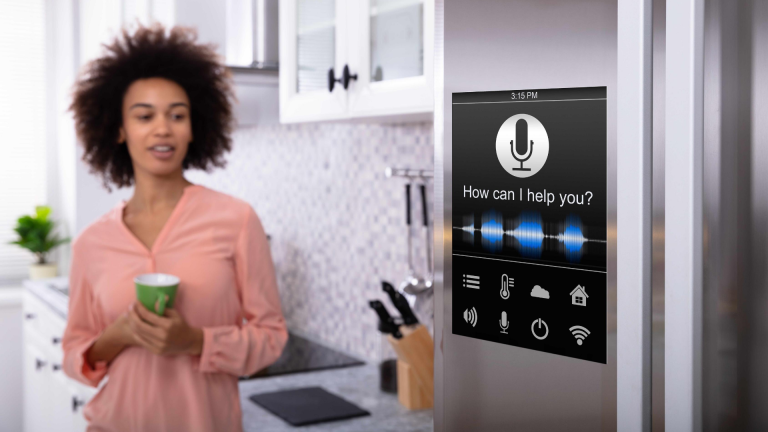
- Voice assistants may store audio recordings to improve recognition and personalize responses.
- Smart cameras can use facial recognition or motion detection, raising concerns about surveillance and data retention.
- AI algorithms may infer sensitive information, such as when you’re home or away, based on sensor data.
Transparency and user control are critical. Laws increasingly require companies to explain how AI models work, what data they use, and how decisions are made. This is especially important as AI becomes more integrated into daily life.
Compliance Tips for Homeowners and Businesses
Staying compliant with privacy regulations is not just a legal requirement—it also builds trust with users and customers. Here are some practical steps to help protect personal data in smart homes:
- Review privacy settings on all devices and apps. Disable features you don’t use.
- Read privacy policies to understand what data is collected and how it’s used.
- Regularly update device firmware to patch security vulnerabilities.
- Use strong, unique passwords and enable two-factor authentication where possible.
- Limit sharing of data with third-party services unless absolutely necessary.
- For businesses, conduct regular privacy impact assessments and train staff on data protection best practices.
Manufacturers should adopt privacy-by-design principles, ensuring that products are secure and transparent from the outset. This approach is increasingly expected by regulators and consumers alike.
Emerging Trends in AI Smart Home Privacy Laws
The legal landscape is rapidly changing as technology evolves. Some emerging trends to watch include:
- AI-specific regulations that address algorithmic transparency, bias, and accountability.
- Greater emphasis on user consent and the ability to opt out of data collection or automated decision-making.
- International cooperation to harmonize standards and enforcement across borders.
- New requirements for manufacturers to provide clear explanations of how AI models process and use personal data.
For more on how predictive analytics and automation are shaping the future of smart homes, explore ai predictive analytics in smart homes.

Common Challenges and How to Address Them
Despite growing awareness, several challenges remain when it comes to protecting privacy in AI-powered homes:
- Lack of standardization: Different manufacturers and platforms may have varying privacy practices, making it hard for users to compare or control data use.
- Complex consent mechanisms: Users may not fully understand what they are agreeing to when setting up devices.
- Third-party integrations: Adding new services or apps can introduce additional privacy risks if not properly vetted.
To address these issues, look for devices that are certified by recognized privacy or security standards. Stay informed about updates to privacy laws and consider consulting resources like ai smart home disaster management systems for more guidance on risk mitigation.
FAQ: AI and Smart Home Privacy
What personal data do smart home devices collect?
Smart home devices may collect audio recordings, video footage, location information, device usage patterns, and even biometric data. The exact data depends on the device type and its features.
How can I make my smart home more private?
Review and adjust privacy settings, use strong passwords, keep devices updated, and limit data sharing with third parties. Always read privacy policies and opt out of unnecessary data collection where possible.
Are there laws that specifically protect smart home data?
While most privacy laws are broad, some regulations are starting to address the unique risks of AI-powered smart homes. The GDPR, CCPA, and similar laws provide a foundation, but new rules focused on AI and connected devices are emerging in many regions.
What should manufacturers do to comply with privacy laws?
Manufacturers should implement privacy-by-design, provide clear information about data practices, obtain informed consent, and ensure robust security measures. Regular audits and updates are also recommended.
As the world of smart homes continues to evolve, staying informed about ai smart home privacy laws and best practices is the best way to protect your data and enjoy the benefits of connected living with confidence.