As the global population ages, more families are seeking practical solutions to help older adults maintain their independence and safety. For those living with visual impairments, daily tasks can become challenging, impacting quality of life and confidence. AI vision assistance for seniors is emerging as a transformative approach, offering new tools and technologies designed to support older adults with sight loss. These advancements are not only improving accessibility but also fostering greater autonomy and well-being.
From smart cameras to wearable devices, artificial intelligence is now at the heart of many assistive technologies. By leveraging machine learning and computer vision, these tools can interpret surroundings, read text, recognize objects, and even provide real-time guidance. This article explores how AI-powered solutions are changing the landscape for visually impaired seniors, what features to look for, and how families can integrate these innovations into daily life.
For those interested in broader smart home technologies, you may also want to explore ai mesh networks for homes, which can further enhance connectivity and safety for older adults.
Understanding AI-Powered Vision Tools for Older Adults
AI vision assistance for seniors encompasses a range of devices and applications that use artificial intelligence to interpret visual information and relay it in accessible formats. These solutions are designed to address common challenges faced by people with age-related vision loss, such as macular degeneration, glaucoma, or diabetic retinopathy.
Some of the most common AI-driven tools include:
- Wearable smart glasses that describe the environment, read signs, and identify faces.
- Mobile apps that scan and read printed text aloud.
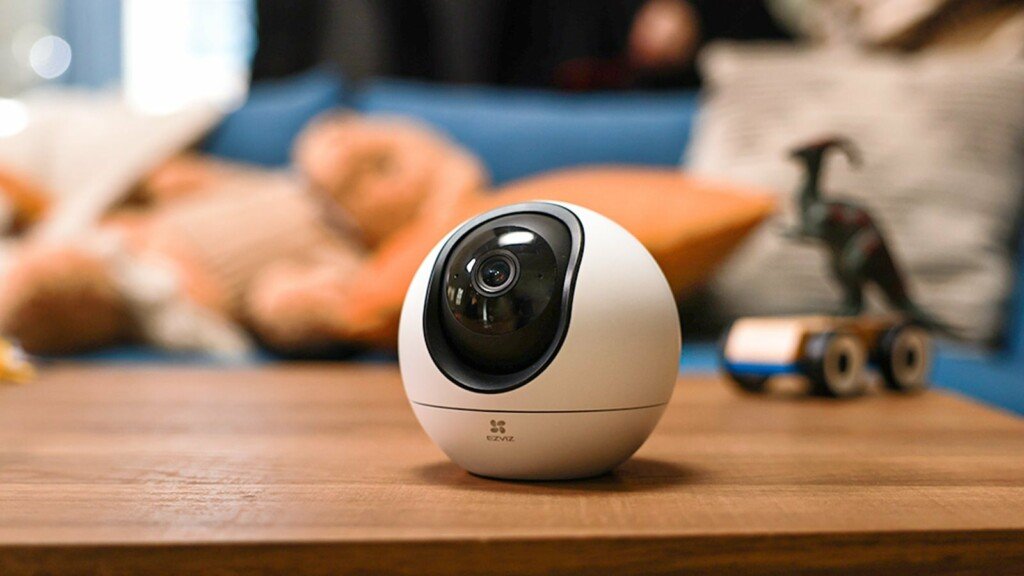
- Smart home cameras that detect movement, recognize objects, and alert users to hazards.
- Voice assistants integrated with AI vision features for hands-free operation.
These technologies are designed to be user-friendly, often relying on simple voice commands or tactile buttons, making them accessible even for those with limited technical experience.
Key Benefits of AI Vision Solutions for the Elderly
The adoption of AI-powered vision aids brings several important benefits to seniors and their families:
- Increased safety: Real-time alerts about obstacles or unusual activity help prevent accidents and falls.
- Greater independence: Seniors can perform daily tasks like reading mail, preparing meals, or navigating public spaces with less reliance on caregivers.
- Improved social connection: Features like facial recognition and voice feedback support communication and reduce isolation.
- Enhanced confidence: Knowing that assistance is available at any time can boost self-esteem and encourage active lifestyles.
For families, these tools can offer peace of mind, knowing their loved ones have access to support that adapts to their needs.

Popular Types of AI Vision Assistance Devices
There is a growing variety of products designed to support seniors with visual impairments. Here are some of the most widely used options:
- Smart Glasses: These wearable devices use cameras and AI algorithms to analyze the environment and provide audio descriptions. Some models can read text, recognize faces, and even identify products in stores.
- AI-Enabled Cameras: Installed in the home, these cameras can detect movement, recognize objects, and send alerts to both users and caregivers. Integration with smart home systems allows for automated lighting or emergency calls.
- Text-to-Speech Apps: Mobile applications that use a smartphone camera to scan printed material and read it aloud, making it easier to manage mail, medication labels, and instructions.
- Voice Assistants with Vision Features: Devices like smart speakers are increasingly equipped with AI vision capabilities, enabling users to ask about their surroundings or request assistance hands-free.
When selecting a device, consider factors such as ease of use, compatibility with other smart home technologies, and the specific needs of the individual.
Integrating AI Vision Tools with Smart Home Systems
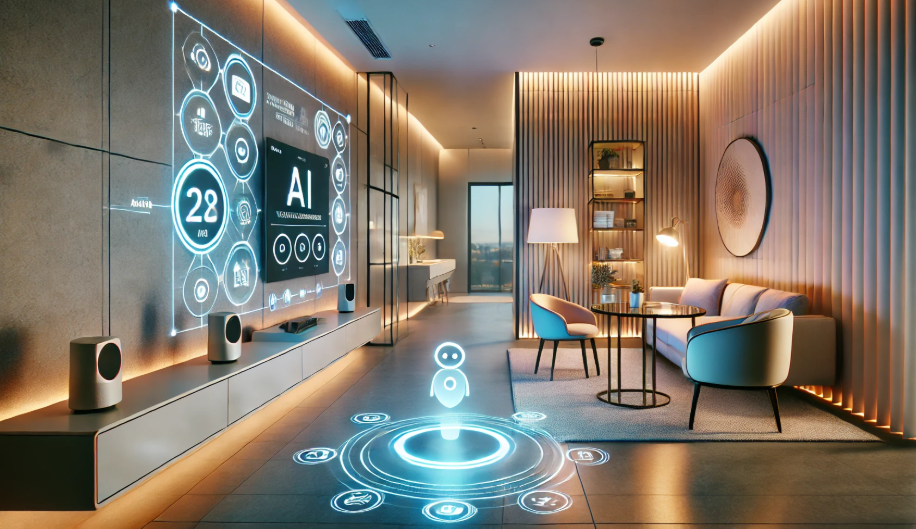
Combining AI vision assistance for seniors with other smart home technologies can create a safer and more supportive environment. For example, integrating vision-enabled cameras with ai home automation programming basics allows for automated lighting when movement is detected, or voice-activated emergency calls if a fall is sensed.
Other smart home features, such as ai battery management systems for homes and ai home automation for energy storage, can ensure that assistive devices remain powered and operational during outages. This integration is especially valuable for seniors living independently, as it minimizes the risk of equipment failure.
For those interested in predictive safety features, ai predictive analytics in smart homes can help anticipate potential hazards and alert caregivers before issues arise.

Considerations When Choosing AI Vision Support
Selecting the right AI vision solution involves evaluating several factors:
- Usability: Devices should have intuitive controls, clear audio feedback, and minimal setup requirements.
- Compatibility: Ensure the device works with existing smartphones, smart speakers, or home automation systems.
- Privacy and security: Look for products with robust data protection and clear privacy policies.
- Support and updates: Choose brands that offer ongoing technical support and regular software updates to address bugs and add features.
- Cost: While some solutions are covered by insurance or government programs, others may require out-of-pocket investment. Evaluate the long-term value and available financial assistance.
Consulting with a low vision specialist or occupational therapist can help identify the most suitable options for individual needs.
Real-World Impact and Future Directions
The adoption of AI-powered vision aids is already making a tangible difference for many older adults. According to senior care research at Stanford Medicine, these technologies are linked to improved daily functioning, reduced risk of injury, and greater satisfaction among users and caregivers.
Looking ahead, advancements in machine learning and sensor technology are expected to make these tools even more accurate and affordable. Features like real-time language translation, advanced obstacle detection, and seamless integration with healthcare providers are on the horizon, promising even greater autonomy for seniors with visual impairments.
Frequently Asked Questions
What types of AI vision devices are best for seniors living alone?
Wearable smart glasses and AI-enabled home cameras are particularly helpful for those living independently. These devices can provide real-time feedback, detect hazards, and alert caregivers if needed, supporting both safety and confidence.
How secure are AI vision assistance devices?
Most reputable brands prioritize privacy and data security, using encrypted connections and strict access controls. It’s important to review privacy policies and choose products that offer regular software updates to address vulnerabilities.
Can AI vision tools be integrated with other smart home technologies?
Yes, many AI vision solutions are designed to work with smart speakers, lighting, and emergency systems. Integration can enhance safety and convenience, allowing for automated responses and hands-free operation.
AI vision assistance for seniors is rapidly evolving, offering new hope and practical support for those with visual impairments. By understanding the available options and integrating them thoughtfully into daily life, families can help older adults maintain independence and enjoy a higher quality of life.