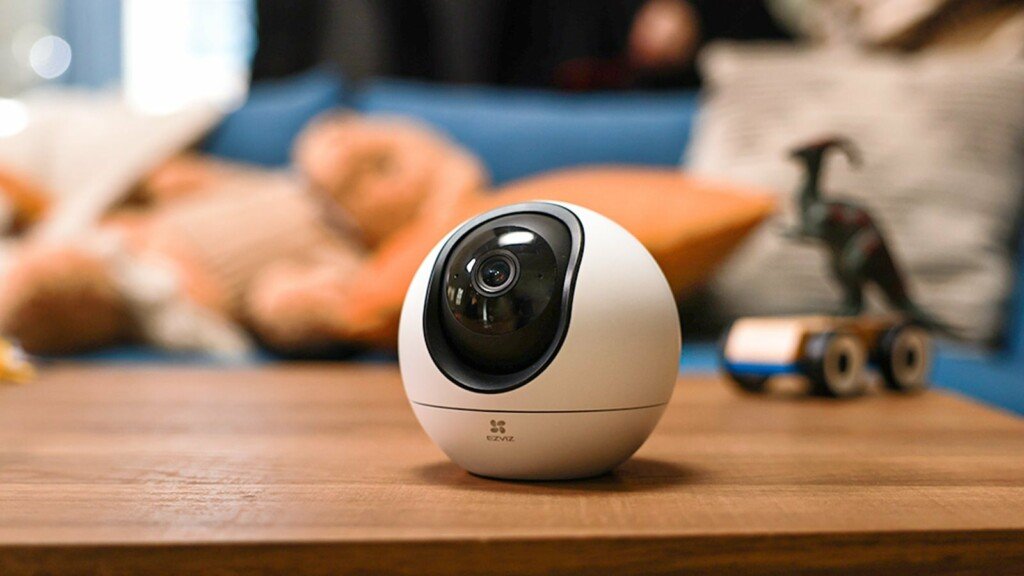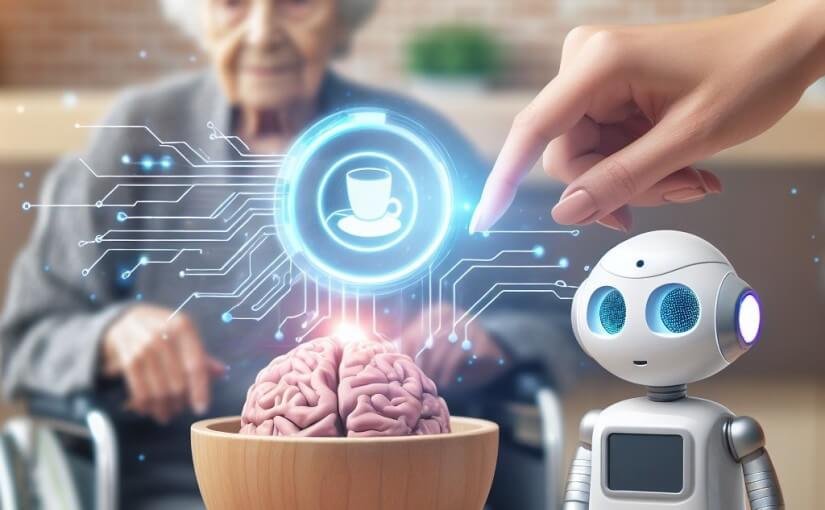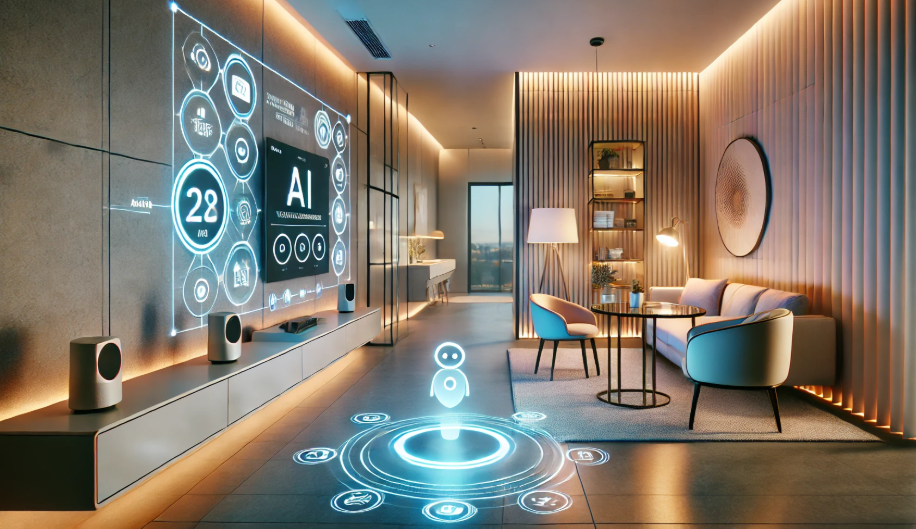
As technology rapidly evolves, one area seeing significant growth is the development of AI voice interfaces for seniors. These systems are transforming how older adults interact with devices, making daily tasks more accessible and supporting independent living. By focusing on intuitive design and accessibility, these solutions are helping bridge the digital divide for aging populations.
Voice-activated assistants and smart devices are no longer just conveniences—they are becoming essential tools for enhancing quality of life, safety, and social connection among seniors. In this article, we’ll explore the features, benefits, and challenges of these technologies, along with practical considerations for families and caregivers.
For those interested in the broader context of artificial intelligence in elderly care, you may also want to read about AI bias in elderly healthcare AI and its impact on technology adoption.
Why Voice Technology Matters for Older Adults
Many seniors face challenges with traditional interfaces such as touchscreens, keyboards, or small buttons. Conditions like arthritis, vision impairment, or cognitive decline can make these devices difficult to use. AI voice interfaces for seniors offer a hands-free, natural way to interact with technology, reducing barriers and enabling greater independence.
By simply speaking, older adults can make phone calls, set reminders, control lights, or access emergency help. This ease of use is especially valuable for those with limited mobility or dexterity. Voice assistants can also provide companionship and cognitive stimulation, helping to combat loneliness and support mental health.
Key Features of Senior-Friendly Voice Assistants
Not all voice-activated devices are created equal. Solutions tailored for older users often include:
- Clear, slow speech recognition that accommodates different accents, speech patterns, and slower responses.
- Simple, intuitive commands with minimal need for technical jargon or complex phrasing.
- Large, visible prompts or visual feedback for those with partial hearing loss.
- Emergency response integration for quick access to help if needed.
- Privacy and security controls to protect sensitive information and ensure peace of mind.
Some devices also offer medication reminders, calendar management, and integration with smart home systems, making daily routines easier to manage.

How AI Voice Interfaces Support Independence and Safety
The ability to control devices and access information by voice can be life-changing for seniors living alone. For example, voice assistants can:
- Enable hands-free calls to family, friends, or emergency services.
- Provide reminders for medications, appointments, or hydration.
- Control home lighting, thermostats, and security systems without physical effort.
- Offer news updates, weather forecasts, and entertainment through simple commands.
These features help older adults maintain autonomy while reducing the risk of accidents or missed medications. For caregivers, remote monitoring and alert systems can provide reassurance and peace of mind.
Challenges and Considerations in Adopting Voice Technology
While the benefits are clear, there are also challenges to consider. Some seniors may feel uncomfortable talking to machines or worry about privacy. Others may struggle with the initial setup or require training to use voice commands effectively.
Developers must address these issues by designing interfaces that are forgiving, easy to set up, and respectful of user privacy. Ongoing support and education are also essential to ensure that older adults feel confident and secure when using these tools.
For more insights on making technology truly accessible, see our guide on AI usability for seniors, which covers common barriers and solutions for older users.
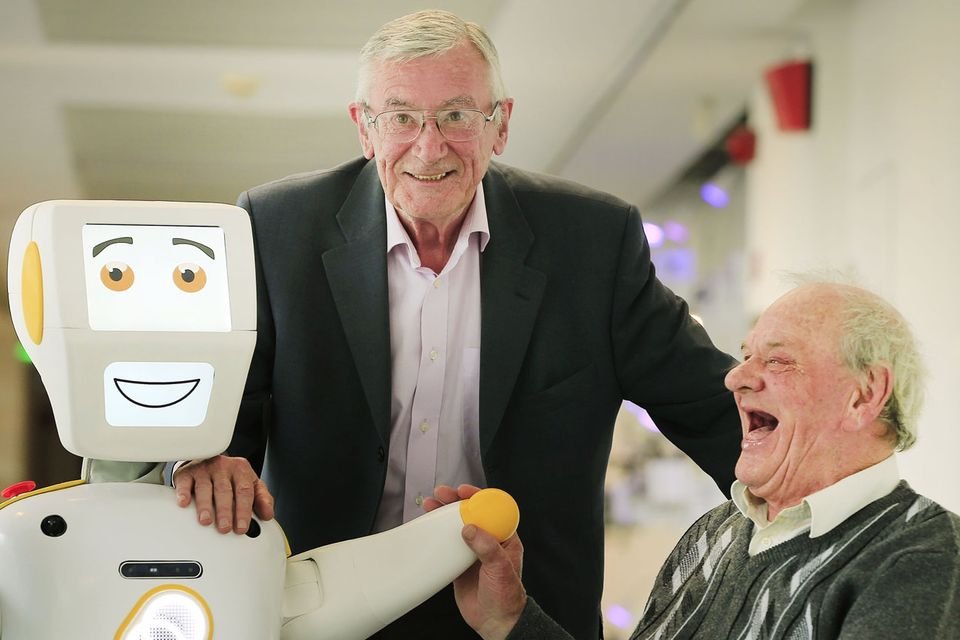
Best Practices for Choosing and Implementing Voice Solutions
When selecting a voice-activated system for an older adult, consider the following tips:
- Look for devices with proven accessibility features and positive reviews from senior users.
- Test the system in the intended environment to ensure reliable speech recognition and response.
- Set up privacy controls and educate users about data protection.
- Provide training and ongoing support, especially for those new to smart technology.
- Integrate with other assistive devices or home automation systems as needed.
For a deeper dive into how artificial intelligence is shaping elderly care, the article on AI advancements in elderly care offers valuable perspectives on current trends and future possibilities.
Future Trends: Personalization and Integration
The next generation of AI voice interfaces for seniors will likely offer even greater personalization. Systems are being developed to adapt to individual speech patterns, preferences, and routines, making interactions more natural and effective. Integration with wearable devices, health monitoring tools, and smart home ecosystems will further enhance safety and convenience.
For those interested in how these technologies are tailored for individual needs, our article on AI personalization senior care explores the latest innovations in adaptive technology for older adults.
FAQ: Common Questions About AI Voice Technology for Seniors
Are voice assistants safe for seniors to use?
Most mainstream voice assistants are designed with security in mind, but it’s important to review privacy settings and educate users about safe practices. Devices should be set up to limit access to sensitive information and to respond only to trusted voices when possible.
What if a senior has difficulty speaking clearly?
Many modern voice interfaces are equipped with advanced speech recognition that can handle a range of accents and speech patterns. However, it’s a good idea to test different devices to find one that best matches the user’s needs. Some systems allow for voice training to improve recognition accuracy.
Can these systems help with medication reminders?
Yes, many voice-activated devices can be programmed to provide reminders for medications, hydration, or appointments. This feature is especially helpful for seniors managing complex health routines or memory challenges.
How do AI voice interfaces compare to traditional emergency alert systems?
Voice-activated systems can complement or enhance traditional alert devices by offering hands-free access to help and integrating with other smart home features. However, it’s important to ensure that any system chosen is reliable and easy to use in urgent situations.
Conclusion
The adoption of AI voice interfaces for seniors is reshaping how older adults engage with technology, making it more accessible, supportive, and empowering. By focusing on intuitive design, robust features, and ongoing support, these solutions are helping seniors live more independently and safely. As technology continues to advance, the potential for even greater personalization and integration will further enhance the lives of aging populations and their families.
For additional insights into the economic impact of these technologies, see our discussion on AI cost savings elderly care, or explore how automation is reducing the workload for caregivers in AI workload reduction caregivers.