As the global population ages, the demand for innovative solutions to support seniors’ independence, safety, and well-being is rapidly increasing. AI wearable devices for elderly care are transforming how families, caregivers, and healthcare providers monitor and assist older adults, both at home and in assisted living environments. These smart technologies offer real-time health tracking, emergency alerts, and personalized recommendations, making daily life safer and more manageable for seniors and their loved ones.
From smartwatches that detect falls to AI-powered health monitors that track vital signs, the latest generation of wearables is designed to address the unique needs of older adults. By leveraging artificial intelligence, these devices can analyze patterns, predict potential health issues, and even provide companionship or reminders for medication and appointments. For those interested in integrating these solutions with broader home automation, resources like ai home automation programming basics offer valuable insights into creating a connected, supportive environment for seniors.
How AI-Enabled Wearables Support Senior Safety
One of the most significant benefits of AI wearable devices for elderly individuals is enhanced safety, both inside and outside the home. These devices use advanced sensors and artificial intelligence to monitor movement, detect unusual patterns, and respond to emergencies. For example, many smartwatches and pendants can automatically detect falls and send alerts to caregivers or emergency services, ensuring rapid assistance when needed.
Other devices track location using GPS, which is particularly valuable for seniors with dementia or Alzheimer’s disease who may be at risk of wandering. AI algorithms can learn a person’s typical routines and quickly identify deviations, prompting timely interventions. This proactive approach helps reduce anxiety for families and gives seniors greater confidence to maintain their independence.
Health Monitoring and Early Detection Features
Wearable technology has evolved far beyond simple step counters. Today’s AI-powered health monitors can continuously track vital signs such as heart rate, blood pressure, blood oxygen levels, and even sleep patterns. By analyzing this data, AI systems can detect irregularities or trends that may indicate emerging health issues, such as arrhythmias, respiratory problems, or dehydration.
Some devices are equipped with ECG sensors and can alert users or caregivers to potential cardiac events. Others monitor medication adherence by sending reminders and confirming when pills are taken. This level of oversight is especially helpful for seniors managing chronic conditions or those who may struggle with memory loss.
Integration with healthcare providers is another growing trend. Many wearables can securely share health data with doctors or family members, enabling remote monitoring and early intervention. This not only improves outcomes but can also reduce unnecessary hospital visits and healthcare costs.
Companionship and Cognitive Support
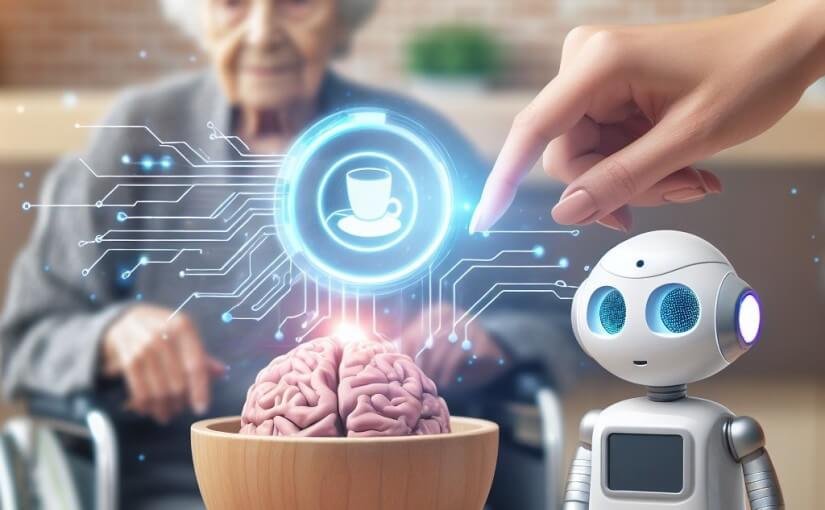
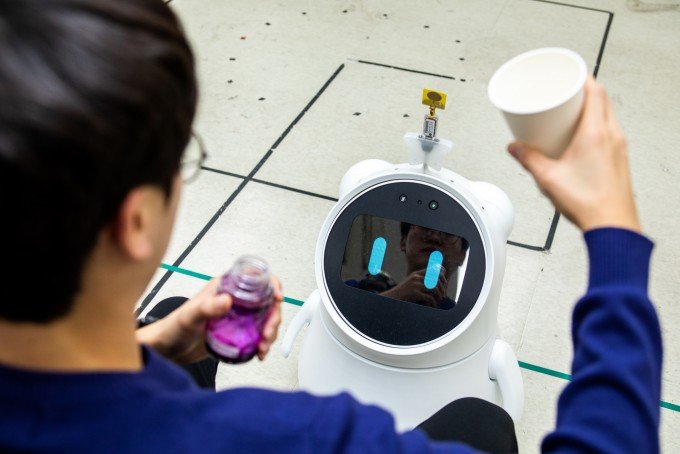
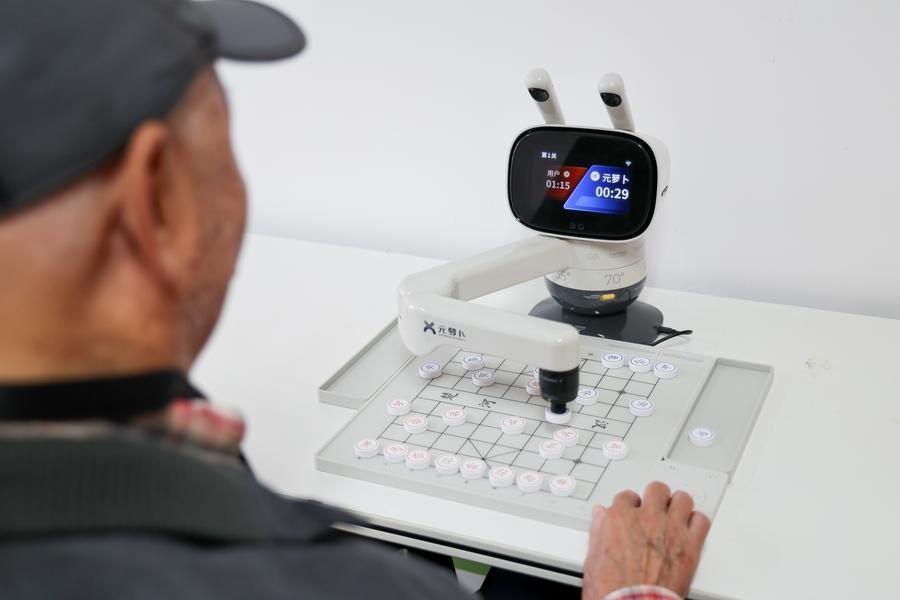
Social isolation and loneliness are common challenges among older adults, particularly those living alone. Some AI wearable devices for elderly users now include features designed to provide companionship and cognitive stimulation. Voice assistants can engage in conversation, remind users of appointments, or play music and audiobooks. Certain devices even offer brain-training games or exercises to help maintain mental sharpness.
For those with memory impairments, wearables can prompt users with daily routines, names of family members, or important events. These supportive features help seniors stay connected and engaged, reducing the risk of depression and cognitive decline.
For a deeper look at how artificial intelligence is being used to combat loneliness and improve safety for seniors, this Forbes article on AI companions in elder care provides further insights.
Integration with Smart Home Systems
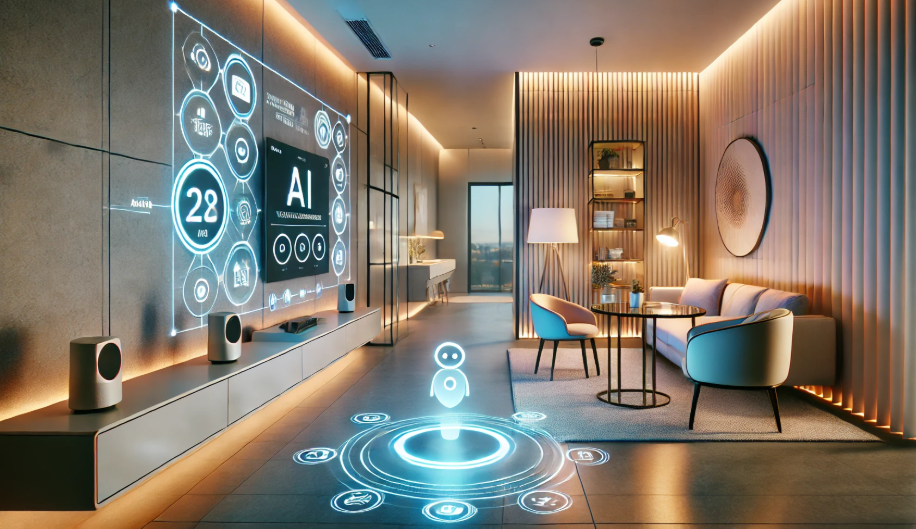
Many families are exploring how to connect AI wearable devices for elderly individuals with broader smart home ecosystems. By linking wearables to home automation platforms, it’s possible to trigger actions such as turning on lights, adjusting thermostats, or unlocking doors in response to specific events or emergencies.
For example, if a wearable detects a fall, it could automatically alert a smart home system to unlock the front door for emergency responders. Integration with security cameras allows caregivers to check in visually if an alert is triggered. Those interested in maximizing these benefits can explore resources like ai predictive analytics in smart homes to learn how predictive AI can further enhance safety and convenience for seniors.
Choosing the Right Wearable for Your Needs
With a growing market of AI wearable devices for elderly care, selecting the right product can feel overwhelming. Here are some key factors to consider:
- Ease of Use: Look for devices with simple interfaces, large buttons, and clear displays.
- Battery Life: Longer battery life reduces the need for frequent charging, which is especially important for those with memory challenges.
- Emergency Features: Ensure the device offers reliable fall detection, SOS buttons, and automatic alerts.
- Health Monitoring: Consider which vital signs or health metrics are most important for your situation.
- Connectivity: Devices that sync with smartphones, tablets, or smart home systems offer greater flexibility and integration.
- Water Resistance: For active seniors or those prone to accidents, water-resistant models provide added peace of mind.
Reading product reviews and consulting with healthcare professionals can help narrow down the best options for your loved one’s specific needs. It’s also wise to check compatibility with any existing smart home or medical systems you may already use.
Privacy and Security Considerations
While AI wearable devices for elderly users offer many benefits, it’s important to consider privacy and data security. These devices often collect sensitive health and location information, so choosing products from reputable manufacturers with strong data protection policies is essential. Look for devices that use encrypted data transmission and allow users to control who can access their information.
Families should also discuss privacy preferences with seniors, ensuring they understand what data is being collected and how it will be used. Transparency and consent are key to building trust and ensuring a positive experience with these technologies.
FAQ
What are the main benefits of AI-powered wearables for seniors?
These devices enhance safety by detecting falls, tracking location, and providing emergency alerts. They also monitor vital signs, support medication management, and can offer companionship or cognitive stimulation, helping seniors maintain independence and well-being.
How do AI wearables detect health issues early?
By continuously monitoring vital signs and activity patterns, AI algorithms can identify irregularities or trends that may signal emerging health problems. This allows for early intervention, potentially preventing more serious complications.
Can these devices be integrated with other smart home systems?
Yes, many modern wearables can connect with smart home platforms, enabling automated responses such as unlocking doors for emergency responders or sending alerts to family members. For more on integrating AI with home automation, see resources like ai home automation for energy storage.
As technology continues to advance, AI wearable devices for elderly care are set to play an even greater role in supporting safe, healthy, and independent living for seniors. By understanding the features, benefits, and considerations of these devices, families and caregivers can make informed choices that enhance quality of life for their loved ones.