

Automated home maintenance is transforming the way homeowners care for their properties. By integrating smart technologies and artificial intelligence, these systems streamline routine tasks, monitor home conditions, and even predict potential issues before they become costly problems. As more households adopt connected devices and digital assistants, understanding how these innovations work—and how they compare to traditional approaches—has become essential for anyone looking to maintain a safe, efficient, and comfortable living environment.
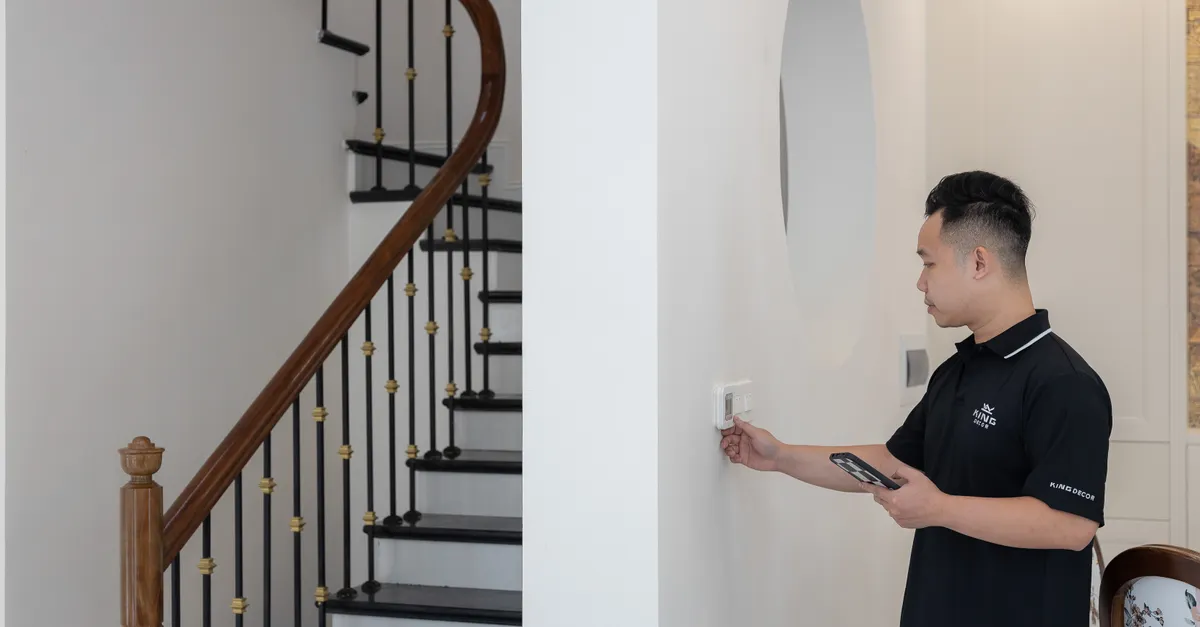
Understanding Automated Home Maintenance
At its core, automated home maintenance refers to the use of digital tools, sensors, and AI-driven platforms to manage and maintain various aspects of a home. These systems can handle everything from scheduling HVAC filter changes to monitoring water leaks or controlling lighting and security. The rise in popularity of smart home devices and connected platforms has made it easier than ever for homeowners to automate routine upkeep, reduce manual labor, and enhance overall property care.
Unlike manual methods, which rely on regular inspections and hands-on intervention, automated solutions use real-time data and intelligent algorithms to keep homes running smoothly. This shift is driven by the growing demand for convenience, energy efficiency, and proactive problem-solving in modern households.
Key Benefits of Automated Home Maintenance
One of the most significant advantages of embracing automated maintenance is the ability to monitor property conditions in real time. AI Agents, for example, continuously collect data from sensors placed throughout the home, allowing for immediate detection of issues such as leaks, temperature fluctuations, or unusual energy consumption. This constant vigilance helps prevent minor problems from escalating into major repairs.
Another major benefit is predictive maintenance. By analyzing patterns in the data, AI-driven systems can identify when an appliance or system is likely to fail, prompting timely interventions. This not only extends the lifespan of home equipment but also reduces unexpected breakdowns and costly emergency repairs.
Additional advantages include:
- Time savings: Automated systems handle routine tasks, freeing up homeowners for other priorities.
- Cost efficiency: Early detection and intervention help avoid expensive repairs and optimize energy use.
- Peace of mind: Real-time alerts and remote monitoring provide reassurance, especially for those who travel frequently or manage multiple properties.
For a deeper look at the benefits of automated home maintenance, explore how these systems can simplify daily life and improve long-term property value.
Comparing AI-Driven Maintenance and Traditional Methods
When evaluating home maintenance options, it’s important to understand how AI-driven solutions differ from traditional approaches. Digital home assistants, powered by artificial intelligence, automate many tasks that once required manual scheduling and oversight. These assistants can remind homeowners of upcoming maintenance, automatically adjust system settings for optimal performance, and even contact service providers when an issue is detected.
In contrast, traditional maintenance methods rely on routine inspections, checklists, and the homeowner’s memory or diligence. While this approach can be effective, it often leads to missed tasks or delayed responses to emerging problems.
| Aspect | AI-Driven Maintenance | Traditional Methods |
|---|---|---|
| Task Management | Automated scheduling and reminders | Manual tracking and calendars |
| Issue Detection | Real-time monitoring and alerts | Periodic inspections or reactive response |
| Preventive Care | Predictive analytics to prevent failures | Routine maintenance, often based on time intervals |
| Efficiency | Optimized for energy and resource use | Dependent on user knowledge and habits |
| Convenience | Remote access and automation | Requires physical presence and manual effort |
While both approaches have their merits, AI-driven maintenance stands out for its ability to proactively address issues and minimize the risk of unexpected failures. Homeowners who value convenience, efficiency, and peace of mind are increasingly turning to digital assistants and smart systems to handle their maintenance needs.
For more on the evolution of these technologies, see how automated home maintenance robots are shaping the future of property care.
Common Smart Home Issues and How to Prevent Them
Despite their many benefits, smart home systems are not immune to problems. Some of the most frequent issues include:
- Connectivity problems: Devices may lose connection to the home network, leading to disruptions in automation or monitoring.
- Software glitches: Updates or compatibility issues can cause devices to malfunction or become unresponsive.
- Sensor failures: Faulty or aging sensors may provide inaccurate data, affecting system performance.
- Cybersecurity risks: Unsecured devices can become targets for hacking or unauthorized access.
To prevent these issues, experts recommend the following strategies:
- Regular maintenance: Schedule periodic checks for all smart devices, ensuring firmware is up to date and sensors are functioning properly.
- Network security: Use strong, unique passwords for all devices and enable two-factor authentication where possible. Regularly update router firmware to protect against vulnerabilities.
- System backups: Maintain backups of system settings and configurations to quickly restore functionality after a failure or reset.
- Professional support: Consider enrolling in a service and maintenance plan offered by device manufacturers or third-party providers for expert assistance and troubleshooting.
Proactive care and attention to cybersecurity are essential for keeping smart home systems reliable and secure. Regular maintenance not only prevents breakdowns but also safeguards personal data and privacy.

Frequently Asked Questions About Automated Home Maintenance
How does AI improve home maintenance efficiency?
AI enhances home maintenance by enabling real-time monitoring, predictive analytics, and automated task management. These features help detect potential issues early, optimize energy usage, and streamline routine upkeep, resulting in a more efficient and cost-effective maintenance process.
Are automated systems more reliable than traditional maintenance?
Automated systems offer greater reliability in many cases due to their ability to continuously monitor conditions and respond instantly to changes. While traditional methods depend on scheduled checks and manual intervention, AI-driven platforms can identify and address problems before they escalate, reducing downtime and unexpected repairs.
What steps can I take to secure my smart home devices?
To enhance cybersecurity, use strong passwords, enable two-factor authentication, keep all device firmware updated, and regularly review connected devices on your network. Avoid using default settings and consider segmenting your smart devices on a separate network for added protection.
Conclusion: Moving Toward Smarter Home Care
Automated home maintenance offers a compelling blend of convenience, efficiency, and proactive care. By leveraging AI, digital assistants, and smart systems, homeowners can reduce manual effort, prevent costly repairs, and enjoy greater peace of mind. As technology continues to evolve, embracing these innovations will become increasingly important for maintaining safe, comfortable, and resilient living spaces.
For those interested in exploring the latest options, a variety of automated home maintenance solutions are available to suit different needs and budgets. Whether upgrading an existing property or building a new smart home, integrating automation into maintenance routines is a forward-thinking step toward effortless living.




