
Artificial intelligence is rapidly transforming many aspects of our daily lives, and its impact on elder care is especially significant. As the global population ages, families and caregivers are seeking innovative solutions to support the health, safety, and independence of older adults. The benefits of AI in senior care are becoming increasingly clear, offering practical improvements in monitoring, communication, and personalized support.
From smart home devices to advanced health monitoring systems, AI-powered technologies are helping seniors live more comfortably and securely at home. These tools not only provide peace of mind for families but also empower older adults to maintain their autonomy for longer. For those interested in related advancements, exploring ai home automation for energy storage can reveal how smart technology is reshaping home environments for all ages.
How AI Enhances Safety and Security for Seniors
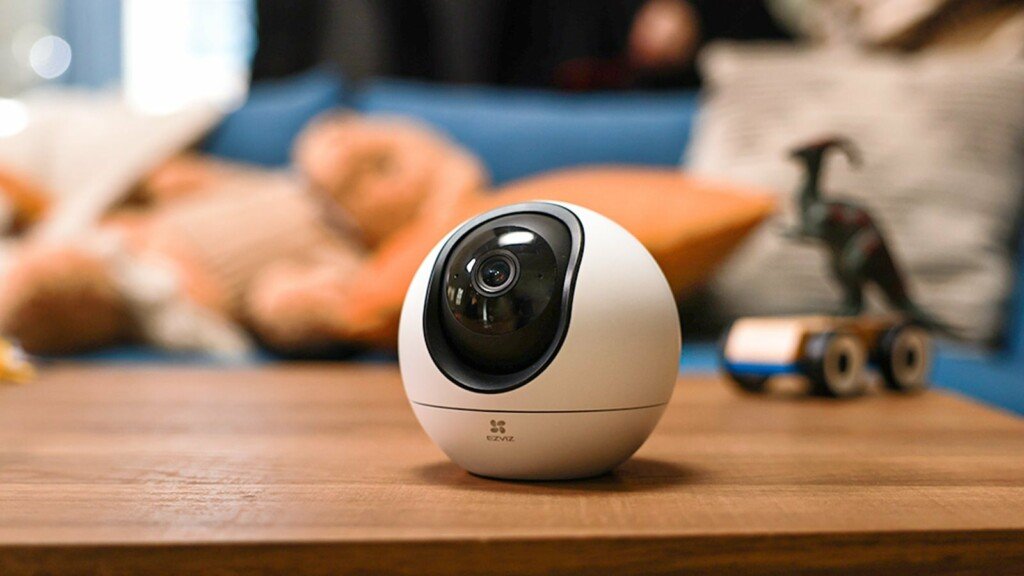
One of the most valuable contributions of artificial intelligence in elder care is its ability to improve safety and security. AI-powered sensors, cameras, and alert systems can monitor daily activities, detect unusual behavior, and send instant notifications to caregivers or family members. This proactive approach helps prevent accidents and ensures timely intervention in emergencies.
For example, smart cameras equipped with AI can distinguish between normal movement and potentially dangerous situations, such as a fall or prolonged inactivity. These systems can automatically alert loved ones or emergency services, reducing response time and potentially saving lives. The integration of AI into home security also allows for remote monitoring, giving families reassurance even when they are not physically present.

Personalized Health Monitoring and Early Detection
Another key advantage of integrating AI into elder care is the ability to provide personalized health monitoring. Wearable devices and smart sensors can continuously track vital signs, medication adherence, and daily routines. AI algorithms analyze this data to identify trends and detect early signs of potential health issues, such as irregular heartbeats, dehydration, or changes in mobility.
This proactive approach enables healthcare providers and caregivers to intervene before minor issues escalate into serious problems. For seniors with chronic conditions, AI-driven monitoring can help manage symptoms and reduce hospital visits. The use of smartwatches and connected devices also encourages seniors to stay engaged in their own health, promoting a sense of independence and control.
Improving Social Connection and Reducing Isolation
Loneliness and social isolation are common challenges among older adults, especially those living alone. AI-powered communication tools, such as voice assistants and smart video calling devices, make it easier for seniors to stay in touch with family and friends. These technologies can also remind users of important events, appointments, or medication schedules, helping to maintain daily routines and mental well-being.
Some AI systems are designed to recognize changes in mood or behavior, offering prompts or connecting users to support networks when needed. By facilitating regular interaction and engagement, these tools play a crucial role in reducing feelings of isolation and supporting emotional health.

Boosting Independence and Quality of Life
One of the most empowering aspects of AI in elder care is its ability to support independence. Smart home systems can automate lighting, temperature, and appliance control, making daily life more convenient and accessible for those with mobility or cognitive challenges. Voice-activated assistants allow seniors to manage tasks, set reminders, and access information without needing to use complex devices.
These technologies reduce the need for constant supervision, enabling older adults to live more confidently in their own homes. By tailoring support to individual needs and preferences, AI-driven solutions help maintain dignity and enhance overall quality of life.
Supporting Caregivers and Healthcare Professionals
The benefits of AI in senior care extend beyond the individual, providing valuable support for caregivers and healthcare professionals. AI-powered platforms can streamline care coordination, automate routine tasks, and generate detailed reports on a senior’s health and activities. This allows caregivers to focus on providing personalized attention and responding to changing needs.
Healthcare providers can use AI-generated insights to make more informed decisions, adjust treatment plans, and monitor patient progress remotely. By reducing administrative burdens and improving communication, AI helps create a more efficient and responsive care environment.
Challenges and Considerations in AI Adoption
While the advantages of AI in elder care are substantial, it is important to address potential challenges. Privacy and data security are top concerns, as sensitive health and personal information must be protected. Ensuring that AI systems are user-friendly and accessible to seniors with varying levels of tech experience is also crucial.
Additionally, the cost of implementing advanced AI solutions can be a barrier for some families or care facilities. Ongoing education and support are needed to help users and caregivers get the most out of these technologies. For those interested in the research and development behind these innovations, the Stanford Center on Longevity’s senior care research provides valuable insights into the future of AI in this field.
Integrating AI with Other Smart Home Technologies
AI does not operate in isolation; it often works alongside other smart home technologies to create a comprehensive support system for seniors. For example, integrating AI with ai battery management systems for homes can ensure uninterrupted power to critical devices, while smart analytics platforms help optimize energy use and reduce costs.
Mesh networks and advanced programming techniques further enhance the reliability and customization of smart home environments. By combining these technologies, families can create safer, more comfortable spaces that adapt to the unique needs of older adults.
Frequently Asked Questions
How does AI help prevent accidents in senior living?
AI-powered sensors and cameras can monitor movement, detect falls, and identify unusual activity patterns. If a potential accident is detected, the system can send instant alerts to caregivers or emergency services, enabling a rapid response and reducing the risk of serious injury.
Can AI support seniors with chronic health conditions?
Yes, wearable devices and smart health monitors use AI to track vital signs, medication schedules, and daily routines. These systems can identify early warning signs of health issues, helping to manage chronic conditions and reduce hospital visits.
Is AI difficult for older adults to use?
Many AI-powered devices are designed with simplicity in mind, featuring voice controls, intuitive interfaces, and automated functions. With proper setup and support, most seniors can benefit from AI technologies without needing advanced technical skills.
What are the privacy concerns with AI in elder care?
AI systems often collect and analyze sensitive personal and health data. It is important to choose solutions with strong privacy protections and clear data handling policies to safeguard user information.