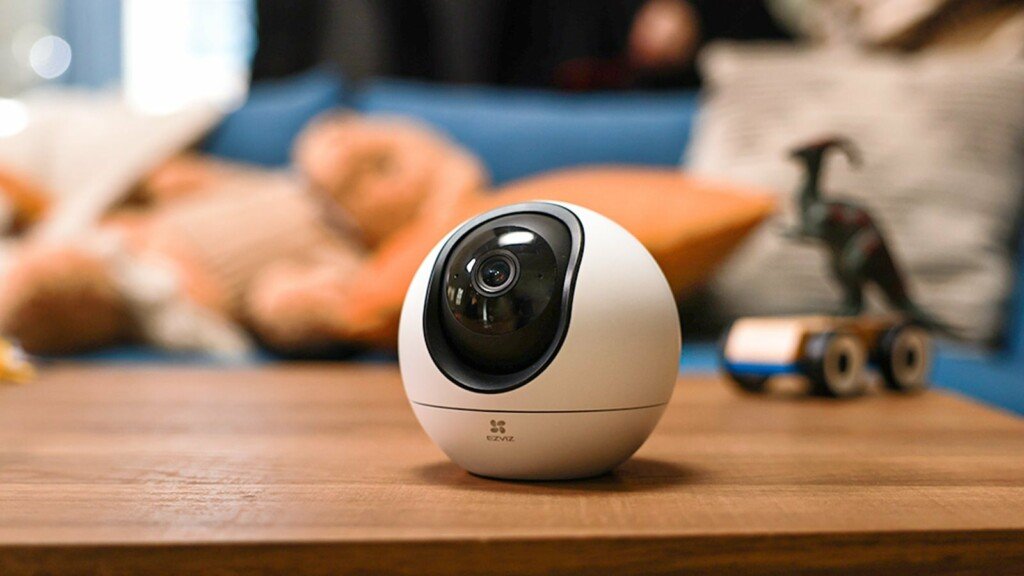
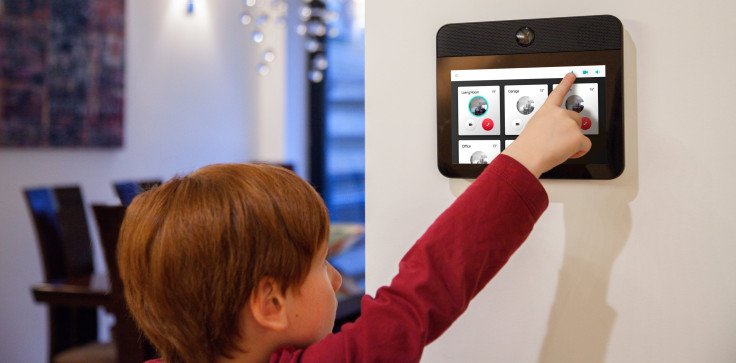
As smart home technology becomes more advanced, a growing question is whether AI gadgets can tell the difference between pets and people. This distinction is crucial for everything from security systems to smart thermostats and leak detectors. If your devices can’t reliably distinguish between a dog and a human, you might get false alarms, wasted energy, or even missed emergencies.
Understanding how artificial intelligence processes movement, heat, and sound is key to building smarter, more responsive homes. In this article, we’ll explore how today’s AI-powered devices attempt to separate animal activity from human presence, the challenges they face, and what this means for homeowners and pet lovers alike.
For those interested in broader applications of AI in the home, you might also want to check out ai occupancy detection in homes, which dives deeper into how smart systems determine who or what is in your living space.
How AI Devices Attempt to Distinguish Between Animals and Humans
The core of the question—can AI gadgets tell the difference between pets and people—comes down to how these devices are trained and what data they use. Most smart home sensors rely on a combination of motion detection, heat signatures, and sometimes audio cues. AI algorithms process this data to identify patterns typical of humans versus animals.
- Motion sensors: Many AI-powered systems use infrared or radar to detect movement. They analyze the size, speed, and gait of moving objects. For example, a person typically moves upright and at a certain pace, while a cat or dog moves lower to the ground and with a different rhythm.
- Thermal imaging: Some advanced gadgets use heat signatures to differentiate between species. Humans and pets emit different amounts of heat and have distinct body shapes, which can help AI make more accurate judgments.
- Audio analysis: Smart speakers and security systems may listen for specific sounds, such as barking, meowing, or human speech, to further refine their identification.
Despite these sophisticated methods, no system is perfect. Factors like pet size, unusual animal behavior, or overlapping heat signatures can still confuse even the best AI models.
Challenges in Accurate Identification
While the technology has made significant strides, there are persistent challenges when it comes to reliably telling pets and people apart. One major issue is the diversity of pet breeds and sizes. A large dog might be mistaken for a small adult, while a crawling baby could be confused with a pet.
Environmental factors also play a role. For example, if a pet is wearing clothing or a harness, or if lighting conditions are poor, AI sensors may struggle to interpret the data correctly. Additionally, overlapping signals—such as a person and pet moving together—can complicate identification.
For those interested in how AI can be further refined for home applications, ai battery management systems for homes offer insights into how machine learning is being used to optimize energy usage based on occupancy detection.
Smart Home Devices That Use AI for Occupancy Detection
Many of today’s most popular smart home gadgets incorporate artificial intelligence to improve accuracy in occupancy detection. Devices such as smart thermostats, leak detectors, and speakers use a blend of sensors and machine learning to determine whether a person or pet is present.
- Smart thermostats: These devices adjust heating and cooling based on who is home. Advanced models can ignore pet movement to avoid unnecessary energy use.
- Leak detectors: AI-powered sensors can distinguish between a pet accidentally triggering a sensor versus a real water leak, reducing false alarms.
- Smart speakers: Voice assistants may use sound recognition to tell if the noise is coming from a human or an animal, helping to avoid accidental activations.
For a broader look at how AI is transforming home automation, see ai green smart homes with ai for insights into sustainable and intelligent living environments.
Recent Advances and Future Prospects
The field of AI-based identification is rapidly evolving. Newer models are being trained on larger and more diverse datasets, which helps them better recognize a wider variety of pets and people. Some companies are incorporating additional sensors, such as pressure mats or cameras with advanced image recognition, to further reduce errors.
Integration with other smart home systems is also improving. For example, a security camera might share data with a smart thermostat to confirm whether a detected movement is likely a pet or a person, leading to more accurate responses.
If you’re interested in practical applications and the best products available, this roundup of top smart home gadgets highlights devices that are leading the way in intelligent occupancy detection.
As AI continues to improve, we can expect even more reliable differentiation between pets and people, making homes safer, more efficient, and more comfortable for everyone—including our furry friends.
FAQ: AI and Occupancy Detection in Smart Homes
How do AI gadgets distinguish between pets and people?
Most devices use a combination of motion, heat, and sometimes sound analysis. AI algorithms are trained to recognize patterns in how humans and animals move, their body shapes, and the sounds they make. The more data the system has, the better it can tell the difference.
Can smart home systems ignore pets to avoid false alarms?
Many modern smart home devices can be configured to ignore pets below a certain weight or size. This helps reduce false alarms from motion sensors or security cameras. However, the accuracy depends on the technology and the diversity of pets in the home.
Are there any risks if AI misidentifies a pet as a person?
Yes, misidentification can lead to unnecessary notifications, wasted energy (such as heating or cooling an empty room), or even missed security alerts. That’s why ongoing improvements in AI training and sensor technology are so important for smart home safety and efficiency.
Where can I learn more about AI in home automation?
For more details on how artificial intelligence is shaping the future of home living, explore ai smart home project ideas for students and enthusiasts.