
Artificial intelligence is rapidly transforming healthcare, and its role in supporting older adults is growing each year. From smart sensors that monitor daily activity to conversational robots that offer companionship, AI-powered solutions promise to enhance quality of life and ease the burden on caregivers. However, the challenges of AI in elderly care are significant and multifaceted. Successfully integrating these technologies requires careful consideration of ethical, technical, and human factors.
This article explores the most common obstacles faced when deploying AI for seniors, along with practical strategies to address them. Whether you are a healthcare provider, family member, or technology enthusiast, understanding these hurdles is essential for making informed decisions. For those interested in related innovations, our guide on ai home automation for energy storage offers further insight into smart home advancements that can benefit older adults.
Understanding the Complexities of AI in Senior Support
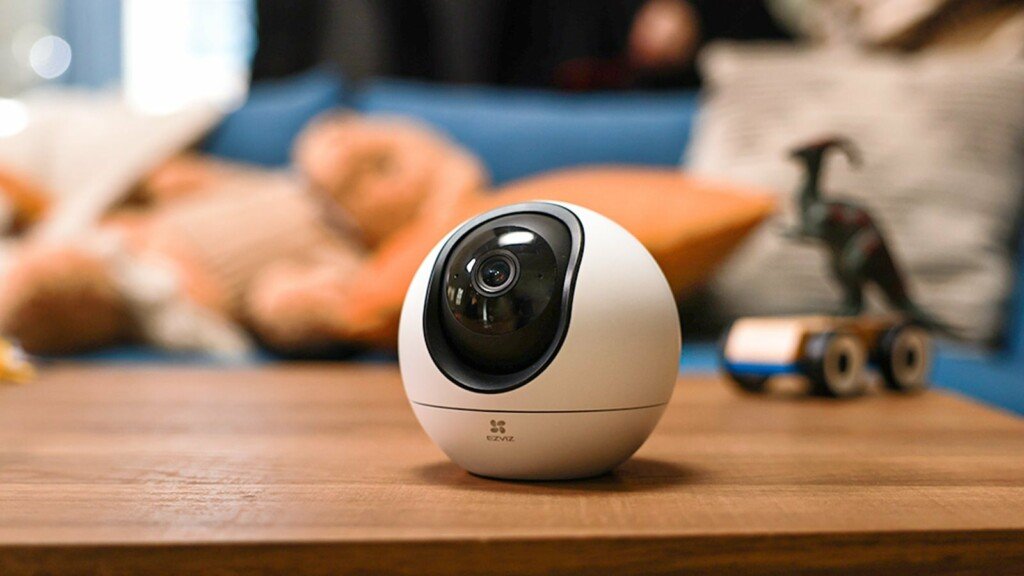
AI-driven tools in elder care range from fall detection systems and medication reminders to virtual assistants and robotic companions. While these innovations offer clear benefits, they also introduce new layers of complexity. The challenges of AI in elderly care stem from the need to balance technological advancement with the unique needs and vulnerabilities of older adults.
Key concerns include data privacy, accessibility, reliability, and the risk of social isolation. Additionally, integrating AI into existing care frameworks often requires significant training and adaptation for both users and caregivers.
Privacy and Security Concerns in AI-Driven Elder Care
One of the most pressing issues is the protection of sensitive personal information. AI systems often collect and process large amounts of health and behavioral data. This raises questions about who has access to this information and how it is stored.
- Data breaches can expose private health details, leading to potential misuse or identity theft.
- Many seniors may not fully understand how their data is being used, increasing the risk of unintentional consent.
- Regulatory compliance, such as meeting HIPAA or GDPR standards, can be challenging for technology providers.
To address these concerns, organizations should implement robust encryption, transparent privacy policies, and regular security audits. Educating users and caregivers about data rights and safe technology use is also crucial.

Accessibility and Usability Barriers for Older Adults
Many seniors face difficulties using new technologies due to age-related changes in vision, hearing, dexterity, or cognitive function. If AI interfaces are not designed with accessibility in mind, they may become more of a hindrance than a help.
- Complex menus, small buttons, or unclear voice prompts can frustrate users.
- Language barriers and lack of digital literacy may prevent effective use.
- Physical disabilities can make interacting with touchscreens or wearable devices challenging.
To overcome these obstacles, developers should prioritize universal design principles. This includes offering voice control, large and high-contrast text, and easy-to-understand instructions. Involving older adults in the design and testing phases ensures products are truly user-friendly.
Reliability and Trust in AI-Enabled Care Solutions
For AI to be effective in supporting seniors, it must be reliable and trustworthy. Malfunctions or false alarms can erode confidence in the technology and potentially put users at risk.
- False positives in fall detection systems may lead to unnecessary emergency responses.
- Missed alerts or system downtime can result in missed medication or unattended emergencies.
- Lack of transparency in AI decision-making can make it difficult for caregivers to trust recommendations.
Building trust requires rigorous testing, clear communication about system limitations, and easy access to human support when needed. Regular updates and maintenance help ensure ongoing reliability.

Addressing Social Isolation and Emotional Well-Being
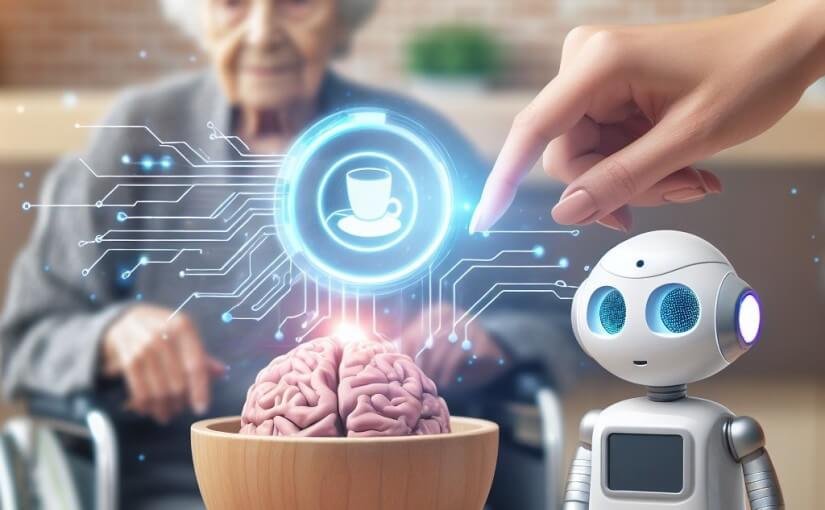
While AI companions and virtual assistants can provide conversation and reminders, there is a risk that technology may inadvertently increase feelings of isolation if it replaces human contact. Emotional well-being is a critical aspect of aging, and technology should be used to supplement—not substitute—personal relationships.
Recent research, such as the insights shared in how AI companions are redefining elder care, highlights the importance of balancing automation with opportunities for genuine social interaction. Encouraging family involvement and integrating AI with community programs can help maintain a healthy social environment for seniors.
Training and Support for Caregivers and Families
Another major hurdle is ensuring that caregivers and family members are comfortable using and maintaining AI systems. Without adequate training, even the most advanced technology may go underutilized or be misapplied.
- Caregivers need clear instructions and ongoing support to troubleshoot issues.
- Family members may require reassurance about the safety and effectiveness of AI tools.
- Technical support should be easily accessible and responsive to user needs.
Offering workshops, user manuals, and dedicated help lines can empower caregivers and families to make the most of AI-powered solutions. Peer support groups and online forums also provide valuable spaces for sharing experiences and advice.
Integrating AI with Existing Home Automation and Health Systems
Seamless integration with other smart home technologies and healthcare platforms is essential for maximizing the benefits of AI in elder care. However, compatibility issues and fragmented systems can create frustration.
For those interested in broader smart home solutions, our article on ai home automation programming basics covers foundational concepts that can help families and providers connect various devices and platforms. Interoperability standards and open APIs are key to ensuring that AI tools work harmoniously with other technologies in the home.
Future Directions and Recommendations
As AI continues to evolve, addressing the challenges of AI in elderly care will require collaboration between technology developers, healthcare professionals, policymakers, and end users. Ongoing research, inclusive design, and transparent communication are vital for building solutions that are safe, effective, and truly supportive of older adults’ needs.
By proactively tackling these obstacles, we can harness the full potential of AI to improve independence, safety, and quality of life for seniors—while preserving dignity and human connection.
Frequently Asked Questions
What are the main risks of using AI in elder care?
The primary risks include data privacy breaches, unreliable system performance, and the potential for increased social isolation if technology replaces human contact. Addressing these risks involves robust security measures, regular system updates, and ensuring technology is used to complement—not replace—personal relationships.
How can AI tools be made more accessible for older adults?
Developers should follow universal design principles, such as offering voice controls, large and high-contrast text, and simple interfaces. Involving seniors in the design and testing process helps ensure that products meet their needs and abilities.
Can AI really help reduce loneliness among seniors?
AI companions and virtual assistants can provide conversation and reminders, which may help reduce feelings of loneliness. However, technology should supplement, not replace, human interaction. Integrating AI with community programs and encouraging family involvement is key to supporting emotional well-being.