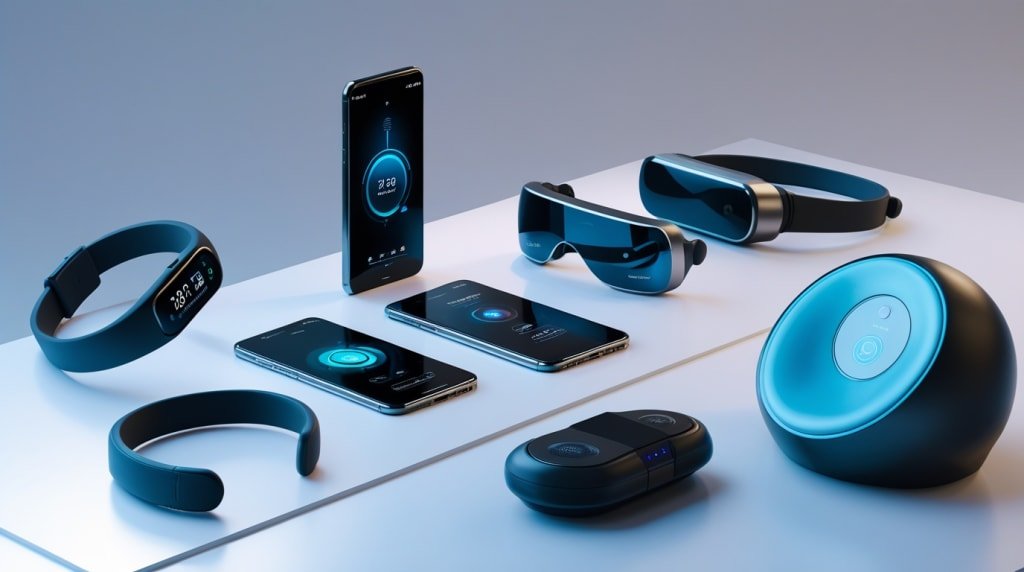
In today’s rapidly evolving technological landscape, the concept of a universal remote has been redefined by the integration of artificial intelligence. These advanced devices are designed to streamline and enhance the way we interact with our home entertainment systems and smart home devices. But what exactly makes these remotes “AI-powered,” and how do they differ from traditional universal remotes?
AI-powered universal remotes leverage machine learning algorithms to learn and adapt to user preferences and behaviors. This allows them to offer a more personalized and intuitive experience, making it easier to control a wide array of devices with a single interface. As we delve deeper into the features and benefits of these smart remotes, we’ll also explore their role in the broader context of smart home automation.
For those interested in the broader implications of AI in home automation, you might find our guide on deep learning applications in smart homes insightful.
Understanding AI Integration in Universal Remotes
The integration of AI into universal remotes brings a host of new capabilities. These devices can learn from user interactions, predict preferences, and even automate routine tasks. For example, an AI-powered remote can automatically adjust the lighting and sound settings based on the time of day or the type of content being viewed. This level of automation is a significant leap forward from traditional remotes, which require manual input for each function.
Key Features of AI-Enhanced Remotes
AI-enhanced remotes come with several standout features that set them apart:
- Voice Control: Many AI remotes support voice commands, allowing users to control their devices hands-free.
- Device Compatibility: These remotes are designed to work with a wide range of devices, from televisions and sound systems to smart home gadgets.
- Learning Capabilities: The ability to learn and adapt to user habits makes these remotes highly personalized.
- Automation: AI remotes can automate sequences of actions, such as turning on the TV, adjusting the volume, and dimming the lights with a single command.
Benefits of Using AI-Driven Remotes
The benefits of using AI-driven remotes extend beyond convenience. They also contribute to a more streamlined and efficient home environment. By reducing the need for multiple remotes and simplifying device management, these smart remotes enhance the overall user experience. Additionally, their ability to integrate with other smart home devices can lead to energy savings and improved device management.
For more insights on how AI can optimize your home, consider reading about the ways AI reduces electricity bills.
Choosing the Right AI Remote for Your Home
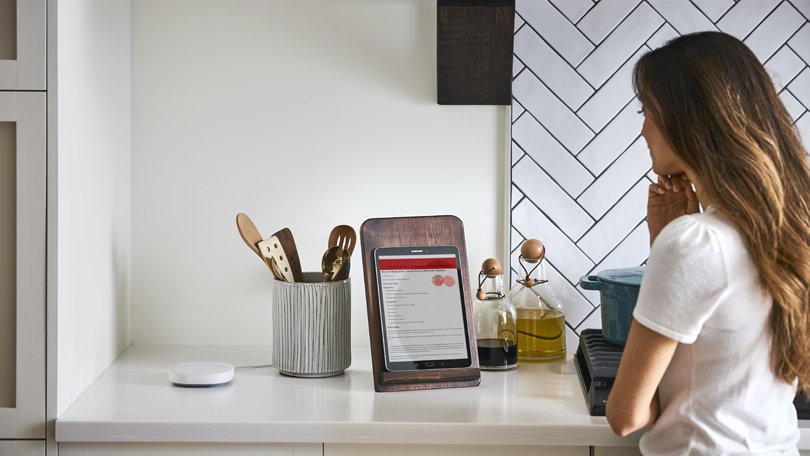
When selecting an AI remote, it’s important to consider compatibility with your existing devices and the specific features you need. Some remotes offer extensive integration with smart home systems, while others focus on entertainment devices. Evaluating your needs and preferences will help you choose a remote that enhances your home automation experience.
For those interested in enhancing their smart home setup, exploring AI-powered home automation gadgets can provide additional insights into the future of smart living.

FAQs About AI-Powered Universal Remotes
How do AI remotes learn user preferences?
AI remotes use machine learning algorithms to analyze user interactions and adjust settings based on observed patterns. This allows them to anticipate user needs and automate tasks accordingly.
Can AI remotes control non-smart devices?
Yes, many AI remotes are equipped with infrared capabilities, allowing them to control traditional devices that do not have smart features.
Are AI remotes compatible with all smart home systems?
While AI remotes are designed to work with a wide range of devices, compatibility can vary. It’s important to check the specifications and supported devices of a remote before purchasing to ensure it meets your needs.