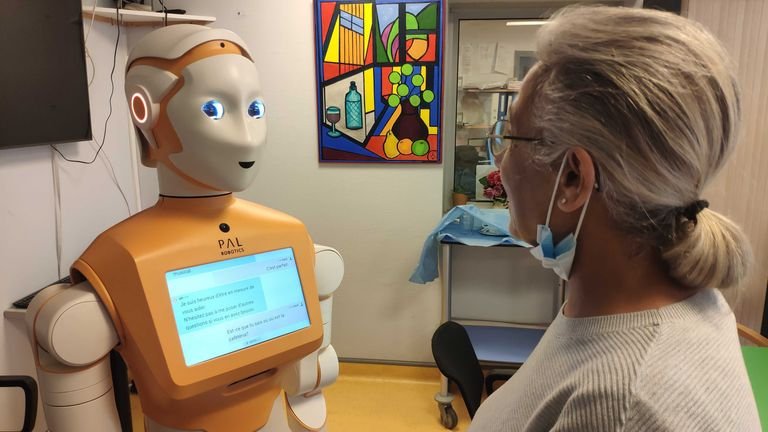
As the global population ages, more seniors are seeking ways to maintain their independence and comfort at home. AI solutions for aging in place are transforming how older adults manage daily life, health, and safety, making it possible for many to remain in familiar surroundings longer. From smart home devices to intelligent health monitoring, these technologies are reshaping the landscape of senior care and empowering families to support loved ones with greater confidence.
This article explores the most impactful artificial intelligence tools and systems designed to help seniors live independently. We’ll look at how these innovations enhance safety, streamline health management, and foster social connection, all while reducing the burden on caregivers. For those interested in broader smart home advancements, you might also find value in our guide to AI remote home monitoring, which details how intelligent systems can further support secure and comfortable living environments.
How Artificial Intelligence Supports Independent Living
Artificial intelligence is playing a crucial role in enabling seniors to stay in their homes safely and comfortably. By integrating machine learning, natural language processing, and sensor data, modern solutions can anticipate needs, detect risks, and provide timely assistance. These advancements are not just about convenience—they address real challenges faced by older adults, such as fall prevention, medication adherence, and social isolation.
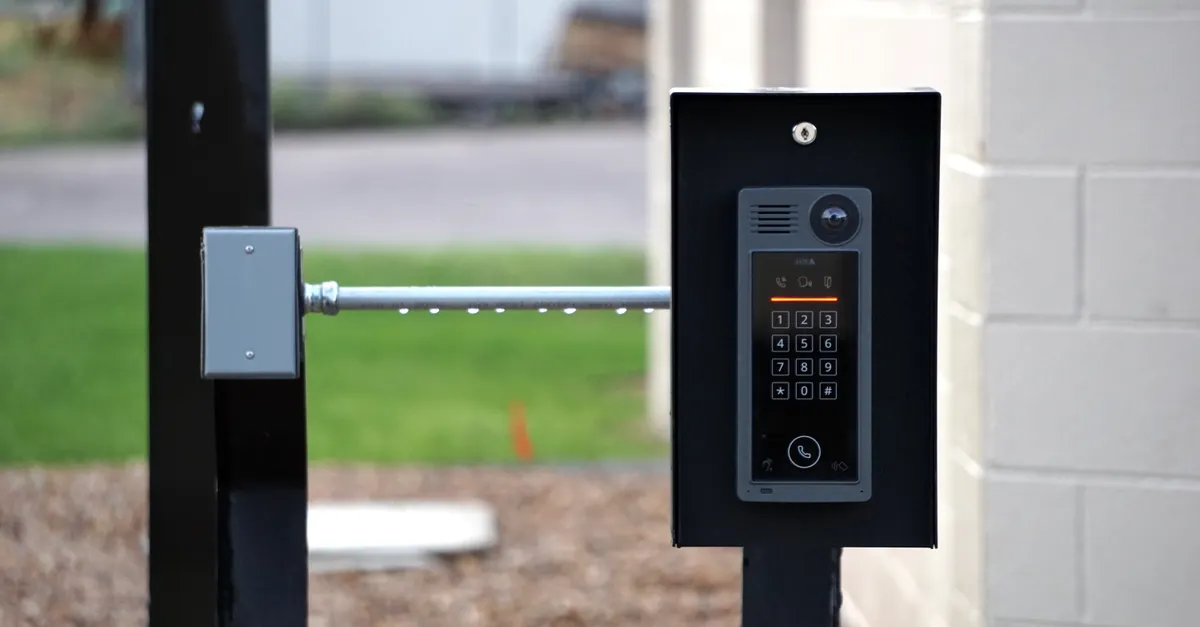
- Smart home automation adapts lighting, temperature, and security settings to individual preferences and routines.
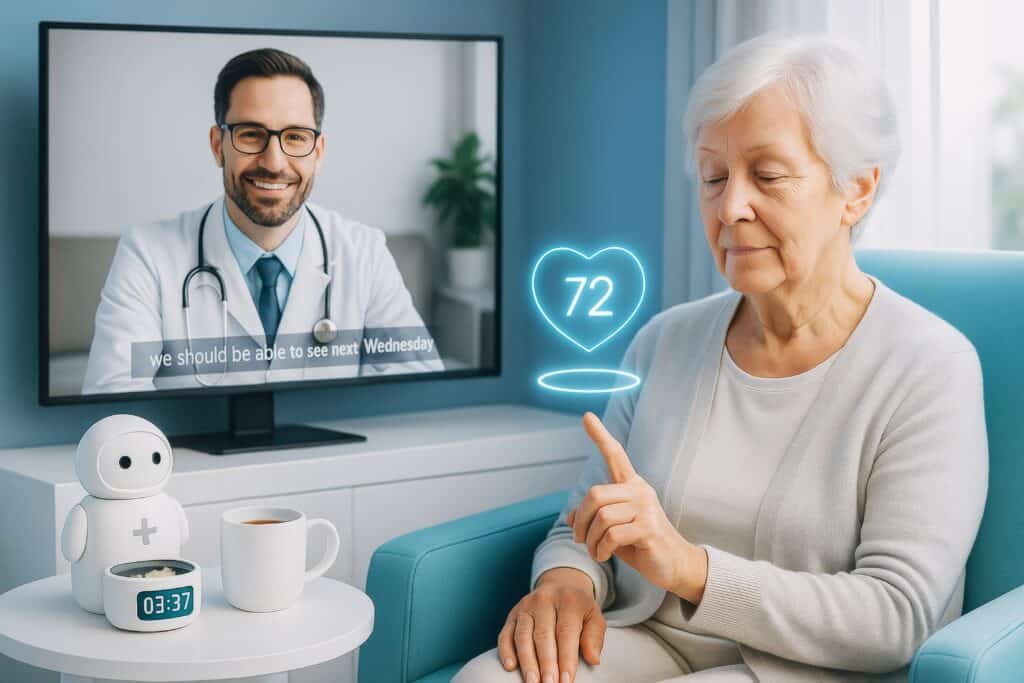
- Health monitoring devices track vital signs and send alerts to caregivers or medical professionals if anomalies are detected.
- Voice assistants offer hands-free access to reminders, emergency contacts, and entertainment, making daily tasks easier.
Key Benefits of AI-Driven Senior Care
The adoption of AI-powered aging in place solutions brings a range of benefits for seniors and their families. These technologies are designed to support autonomy, reduce risks, and provide peace of mind.
- Enhanced Safety: AI-enabled sensors and cameras can detect unusual movements or inactivity, triggering alerts for falls or emergencies. For example, smart cameras and occupancy detection systems can monitor activity patterns and notify caregivers if something seems amiss.
- Health Management: Wearable devices and smartwatches can monitor heart rate, sleep, and activity levels, providing valuable data for both users and healthcare providers. Medication reminders and telehealth integrations ensure that seniors stay on top of their health routines.
- Social Connection: AI-driven communication platforms help seniors stay in touch with family and friends, reducing feelings of loneliness and isolation.
- Reduced Caregiver Burden: By automating routine checks and providing real-time updates, these solutions allow caregivers to focus on more meaningful interactions and reduce stress.

Popular AI Tools and Devices for Seniors
A growing number of products are available to help older adults maintain independence. Some of the most effective AI solutions for aging in place include:
- Wearable Smartwatches: These devices track health metrics, detect falls, and can automatically call for help if needed.
- Smart Cameras: Indoor security cameras with AI can distinguish between normal activity and potential emergencies, sending alerts to family or caregivers.
- Voice-Activated Assistants: Devices like smart speakers allow seniors to control home functions, set reminders, and communicate without needing to use a phone or computer.
- Medication Dispensers: AI-powered pill dispensers ensure the right dose is taken at the right time, reducing medication errors.
For those interested in the technical side of smart home integration, our article on AI battery management systems for homes discusses how energy-efficient solutions can further support independent living.
Integrating AI into the Home Environment
Setting up intelligent systems for seniors involves more than just purchasing devices. It’s important to consider how these tools fit into daily routines and address specific needs. Here are a few practical steps for successful integration:
- Assess Needs: Identify the most pressing challenges, such as mobility, memory, or health monitoring.
- Choose Compatible Devices: Opt for products that work together seamlessly, reducing complexity for the user.
- Prioritize Ease of Use: Select solutions with intuitive interfaces and reliable customer support.
- Involve Family and Caregivers: Ensure that trusted individuals have access to alerts and can assist with setup and troubleshooting.
Challenges and Considerations for AI in Senior Living
While the benefits are significant, there are also challenges to adopting these technologies. Privacy concerns, device reliability, and the learning curve for new users are common issues. It’s essential to balance innovation with respect for personal autonomy and data security.
Families and caregivers should also consider ongoing costs, technical support, and the need for regular updates. For a deeper look at how artificial intelligence is shaping the future of assisted living and memory care, see this in-depth article on AI in senior care environments.
Future Trends in AI for Independent Senior Living
The field of smart technology for older adults is rapidly evolving. Future innovations may include more advanced predictive analytics, improved voice recognition for those with speech difficulties, and seamless integration with healthcare providers. As these solutions become more affordable and user-friendly, they will likely become standard in homes across the world.
For those interested in exploring more ways artificial intelligence can enhance home life, our resource on AI smart home project ideas offers inspiration for students and families alike.
Frequently Asked Questions
What are the most important features to look for in AI tools for seniors?
Key features include fall detection, health monitoring, medication reminders, and easy-to-use interfaces. Integration with emergency services and caregiver notifications are also highly valuable.
How do AI-powered devices help prevent accidents at home?
Devices equipped with sensors and machine learning algorithms can detect unusual patterns, such as inactivity or sudden movements, and send alerts to caregivers or emergency contacts. This rapid response can significantly reduce the risk of serious injury.
Are these technologies difficult for seniors to use?
Many modern AI solutions are designed with simplicity in mind, featuring voice commands, large buttons, and clear instructions. Family members or caregivers can assist with setup and troubleshooting to ensure a smooth experience.
How can families ensure privacy and security when using smart devices?
It’s important to choose reputable brands, regularly update device software, and review privacy settings. Limiting data sharing and using secure networks can further protect personal information.