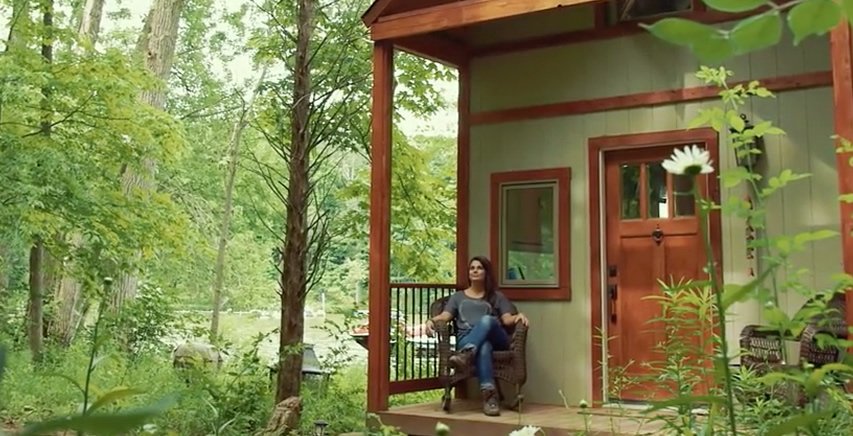
Choosing to live off the grid is a bold step toward independence, sustainability, and a closer connection to nature. However, the journey is not without its obstacles. From securing reliable power to managing water and waste, those who pursue this lifestyle must be prepared to address a unique set of hurdles. Understanding the challenges of off-grid living is essential for anyone considering this path, whether you’re building a remote homestead or simply aiming to reduce your reliance on public utilities.
Many people are drawn to off-grid life by the promise of freedom and self-sufficiency, but the reality often requires careful planning, adaptability, and a willingness to learn new skills. This article explores the most common difficulties faced by off-grid households and provides practical solutions to help you thrive in a self-reliant environment.
Before diving into the specifics, it’s helpful to explore how technology can support off-grid lifestyles. For instance, advancements in ai battery management systems for homes are making it easier to store and manage renewable energy efficiently, reducing the risk of power shortages and improving overall reliability.
Energy Independence: Powering Your Off-Grid Home
One of the most significant off-grid living challenges is securing a reliable source of energy. Without access to the electrical grid, you must generate and store your own power, typically through solar panels, wind turbines, or generators. Each method comes with its own set of considerations:
- Solar Power: While solar panels are popular, they require a substantial upfront investment and are dependent on sunlight. Cloudy days and winter months can reduce output.
- Wind Turbines: Effective only in areas with consistent wind speeds. Installation and maintenance can be complex.
- Generators: Useful as backup, but require fuel and regular upkeep, which can be costly and less sustainable.
To overcome these obstacles, it’s crucial to diversify your energy sources and invest in high-quality batteries for storage. Modern ai home automation for energy storage can optimize usage, ensuring you get the most out of every watt generated. Regular maintenance, energy-efficient appliances, and a willingness to adapt your habits to available resources are also key to success.
Water Supply and Purification: Meeting Basic Needs
Reliable access to clean water is another major concern for those living off the grid. Wells, rainwater harvesting, and nearby streams are common sources, but each requires careful management and treatment to ensure safety.

Common water-related obstacles include:
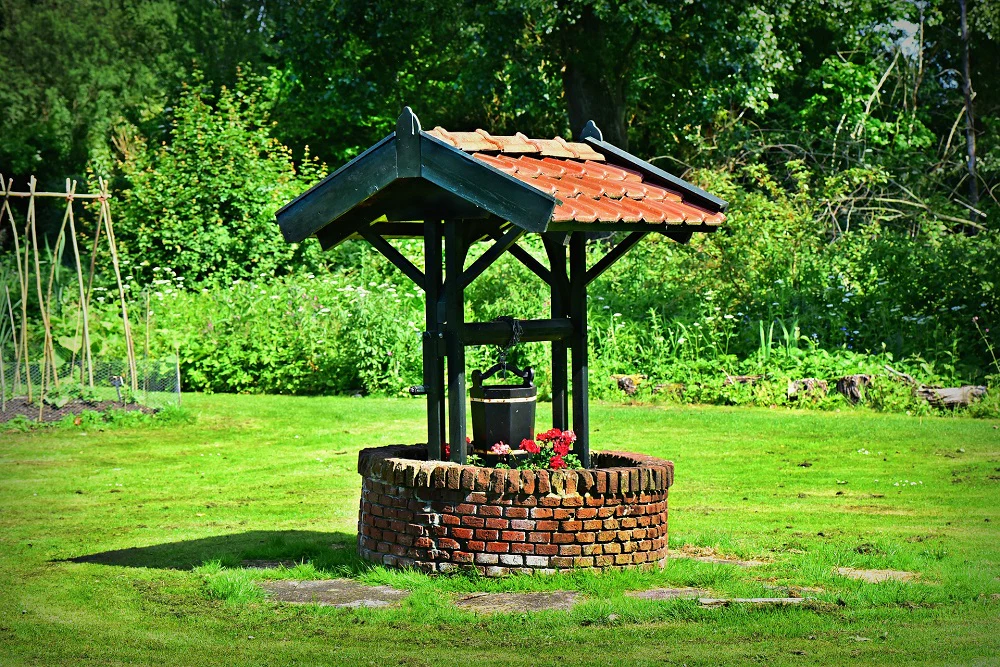
- Drilling and Maintaining Wells: Initial costs can be high, and ongoing maintenance is essential to prevent contamination.
- Rainwater Harvesting: Requires proper storage tanks, filtration, and regular cleaning to avoid algae and bacterial growth.
- Water Purification: Filtration systems, UV treatment, and regular water testing are necessary to ensure safety for drinking and cooking.
Planning for redundancy—such as having both a well and a rainwater system—can provide peace of mind. Regularly testing your water and maintaining equipment will help you avoid health risks and ensure a steady supply year-round.
Food Production and Storage: Growing and Preserving Your Own
Producing your own food is both rewarding and challenging. Off-grid homesteaders often rely on gardens, livestock, and foraging, but unpredictable weather, pests, and limited growing seasons can threaten food security.
To address these issues:
- Invest in raised beds and greenhouses to extend the growing season and protect crops from pests.
- Practice crop rotation and companion planting to maintain soil health and reduce disease.
- Preserve surplus harvests through canning, dehydrating, or fermenting to ensure food availability during lean months.
For those raising animals, consider automated solutions like smart coop doors to protect poultry from predators and streamline daily chores. These upgrades can save time and reduce stress, especially during harsh weather or busy periods.
Waste Management and Sanitation: Staying Clean and Safe
Managing waste without municipal services is a significant aspect of off-grid life. Septic systems, composting toilets, and greywater recycling are common solutions, each with their own maintenance requirements.
Key strategies include:
- Regularly inspecting and maintaining septic tanks to prevent leaks and contamination.
- Using composting toilets to reduce water usage and create valuable fertilizer, while following best practices for odor and pest control.
- Recycling greywater for irrigation, ensuring that only biodegradable soaps and detergents are used.
Proper waste management not only protects your health but also preserves the local environment, which is especially important in remote or sensitive ecosystems.
Weather, Emergencies, and Security: Preparing for the Unexpected
Living independently means being ready for storms, wildfires, equipment failures, and other emergencies. Remote locations can delay help, so preparation is vital.
- Maintain a well-stocked emergency kit with food, water, first aid supplies, and backup power sources.
- Install firebreaks, lightning rods, and smoke detectors to reduce risk from natural disasters.
- Consider automated monitoring systems, such as ai smart home disaster management systems, to receive early warnings and automate safety responses.
Security is another concern, especially for those in isolated areas. Fencing, motion-activated lights, and secure storage for valuables can deter theft and provide peace of mind.
Financial and Social Considerations: Budgeting and Community
The initial investment for land, infrastructure, and equipment can be substantial. Ongoing costs for maintenance, repairs, and supplies should also be factored into your budget. Many off-grid families find ways to generate income through remote work, crafts, or small-scale farming.
Social isolation is another hurdle. Building connections with neighbors, joining local groups, or participating in online communities can provide support, advice, and a sense of belonging. For more in-depth advice, check out this comprehensive guide to off-grid homesteading essentials.
Adapting to Off-Grid Life: Mindset and Ongoing Learning
Perhaps the most important factor in overcoming the challenges of off-grid living is your mindset. Flexibility, patience, and a willingness to learn are essential. Mistakes are inevitable, but each one offers a valuable lesson. Stay curious, seek out new information, and don’t hesitate to ask for help from those with more experience.
Technology continues to evolve, offering new tools and solutions for off-grid households. For example, ai predictive analytics in smart homes can help you anticipate energy needs and optimize resource use, making daily life smoother and more efficient.
Frequently Asked Questions
What is the biggest challenge of living off the grid?
Energy independence is often cited as the most significant hurdle. Generating, storing, and managing your own power requires careful planning, investment, and ongoing maintenance. Weather variability and equipment failures can add complexity, so having backup systems and energy-efficient habits is crucial.
How do off-grid homes handle water and waste?
Most off-grid properties rely on wells, rainwater collection, or nearby water sources, combined with filtration and purification systems to ensure safety. Waste is typically managed through septic systems, composting toilets, and greywater recycling, all of which require regular maintenance to function effectively.
Can technology make off-grid living easier?
Yes, advancements in renewable energy, battery storage, and smart home automation have made it much easier to manage resources and respond to emergencies. Tools like AI-powered energy management and disaster monitoring systems can help optimize usage and provide early warnings, reducing the risk of outages or damage.
Embracing a self-sufficient lifestyle is a rewarding journey that comes with its own set of obstacles. By understanding the most common challenges of off-grid living and preparing with the right tools, knowledge, and mindset, you can build a resilient, sustainable home that meets your needs for years to come.