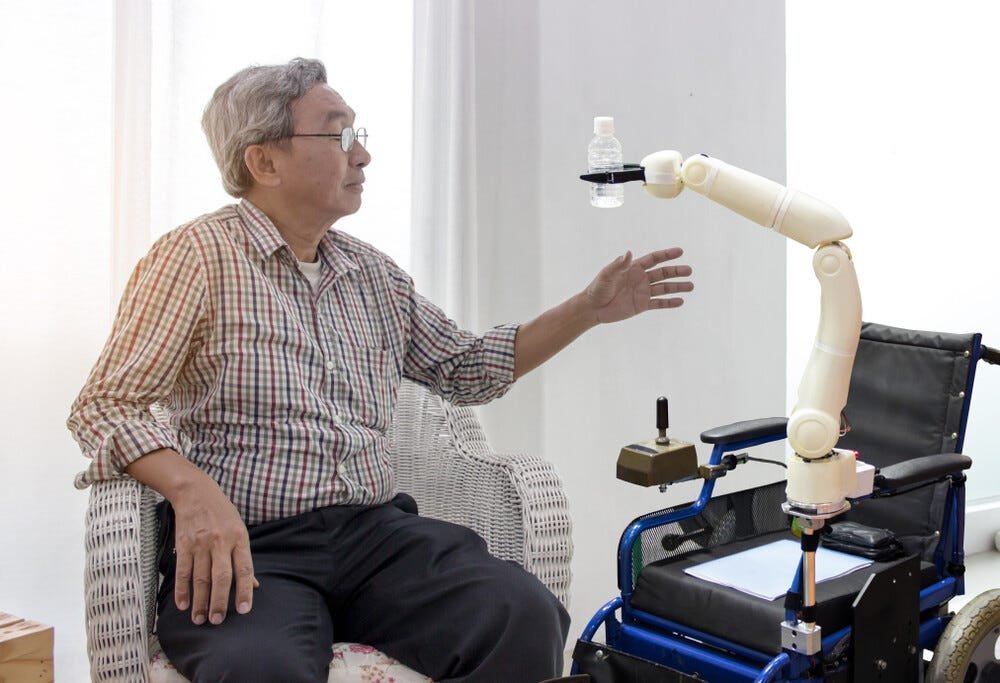
The intersection of artificial intelligence and senior care is rapidly reshaping how older adults live, receive support, and maintain independence. As populations age worldwide, the demand for innovative solutions that address health, safety, and social needs is growing. The future of AI in elderly care promises not only to enhance quality of life for seniors but also to ease the burden on caregivers and health systems. From smart monitoring devices to conversational robots, AI-driven technologies are poised to transform the landscape of aging in place and assisted living.
In this article, we’ll explore the latest trends, market growth, and expert predictions for how artificial intelligence will influence senior care in the coming years. We’ll also highlight practical applications, emerging challenges, and what families, professionals, and policymakers should expect as these technologies evolve. For those interested in related innovations, our guide on ai home automation for energy storage offers additional insights into smart home advancements.
Key Trends Shaping AI’s Role in Senior Support
Several major trends are driving the adoption and evolution of artificial intelligence in the context of aging populations. These developments are not only technological but also social and economic, reflecting the complex needs of older adults and those who care for them.
- Remote Monitoring and Smart Sensors: AI-powered sensors and wearables can track vital signs, detect falls, and monitor daily activities, alerting caregivers or medical professionals when intervention is needed.
- Personalized Health Management: Machine learning algorithms analyze health data to provide tailored recommendations, medication reminders, and early warnings for potential health issues.
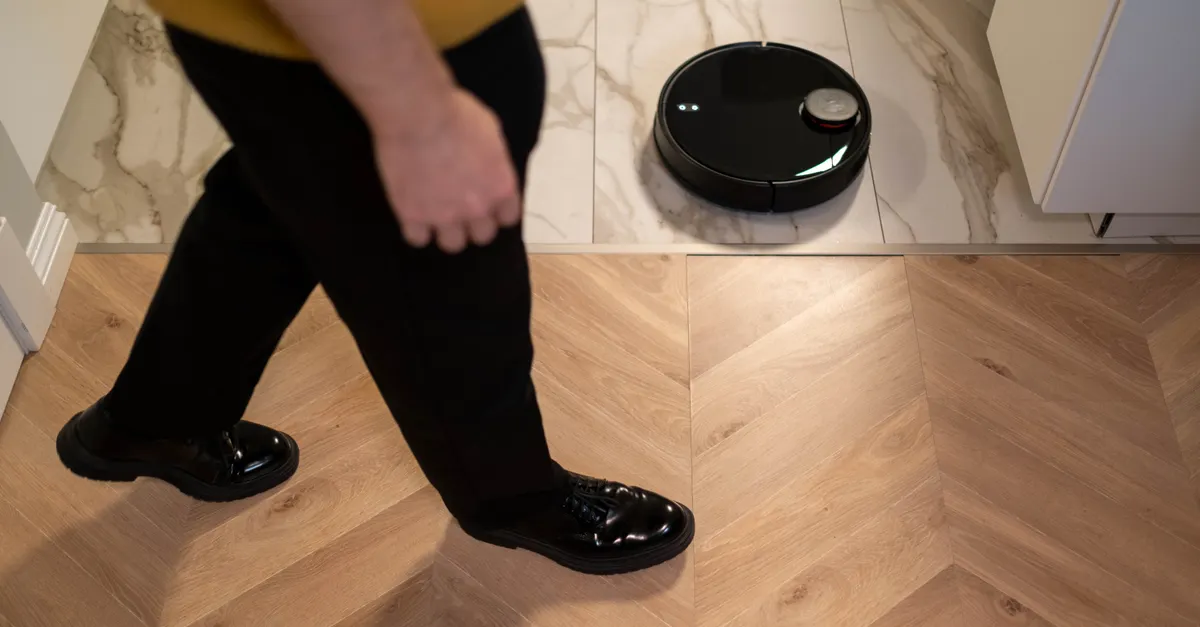
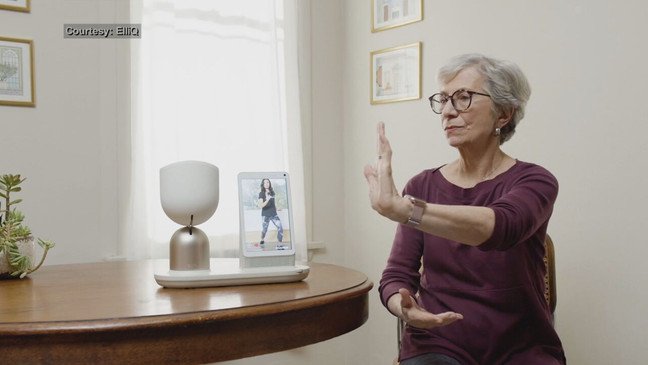
- Conversational AI and Social Robots: Voice assistants and companion robots help combat loneliness, provide cognitive stimulation, and assist with routine tasks, making daily life more manageable for seniors living alone.
- Predictive Analytics for Preventive Care: By identifying patterns in behavior and health metrics, AI can help anticipate risks such as hospital readmissions or the onset of chronic conditions.
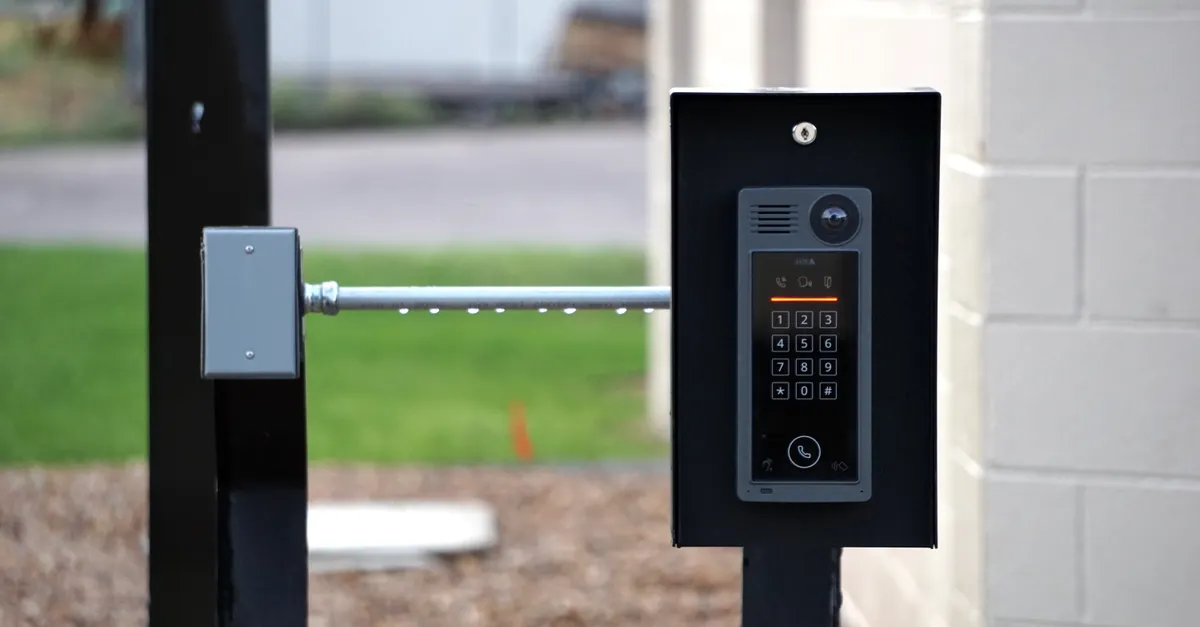
- Integration with Smart Home Ecosystems: AI-driven devices are increasingly being linked with home automation systems, enabling seamless control of lighting, security, and energy use, which supports both safety and comfort.
These trends point to a future where artificial intelligence is deeply embedded in the daily routines and environments of older adults, supporting autonomy while providing peace of mind for families and caregivers.
Market Growth and Investment in AI-Driven Senior Care
The global market for AI in elderly care is expanding at a remarkable pace. Analysts project that spending on AI-enabled health and wellness solutions for seniors will continue to rise, driven by demographic shifts and the urgent need for scalable, cost-effective care models.
Recent years have seen a surge in investment from both startups and established technology companies, with products ranging from advanced fall detection systems to AI-powered medication dispensers. Governments and healthcare providers are also recognizing the potential of these tools to reduce hospital admissions, optimize resource allocation, and improve patient outcomes.
For example, integrating AI with ai battery management systems for homes and other smart home technologies can further enhance the safety and efficiency of living environments for seniors.
How AI Improves Daily Living for Older Adults
Artificial intelligence is already making a tangible difference in the everyday lives of seniors. Here are some practical ways these technologies are being used:
- Fall Detection and Emergency Response: Smart cameras and wearables use AI to recognize falls or unusual inactivity, triggering alerts to caregivers or emergency services.
- Medication Management: Automated pill dispensers and reminder apps help ensure medication adherence, reducing the risk of missed doses or dangerous interactions.
- Virtual Companionship: Devices equipped with conversational AI provide social interaction, reminders, and entertainment, which can help alleviate feelings of isolation.
- Home Automation: Seniors benefit from voice-activated controls for lighting, temperature, and security, making their homes safer and more comfortable.
- Health Monitoring: Continuous tracking of heart rate, sleep patterns, and mobility enables early detection of health issues and supports proactive care.
For those interested in the technical side of smart home integration, our resource on ai home automation programming basics provides a helpful starting point.
Challenges and Considerations for Widespread Adoption
While the benefits of AI in senior care are significant, several challenges must be addressed to ensure successful and ethical implementation:
- Privacy and Data Security: Sensitive health and behavioral data must be protected from breaches and misuse. Transparent data practices and robust cybersecurity are essential.
- Accessibility and Digital Literacy: Not all seniors are comfortable with new technologies. User-friendly interfaces and adequate training are crucial for adoption.
- Affordability: The cost of advanced AI solutions can be a barrier for many families. Wider insurance coverage and public funding may be needed to make these tools accessible.
- Human Touch: While AI can automate many tasks, it cannot replace the empathy and judgment of human caregivers. Blending technology with personal care is key.
- Regulatory Oversight: Clear guidelines and standards are needed to ensure safety, efficacy, and ethical use of AI-driven care solutions.
For a deeper look at how AI is enhancing retirement living and healthcare, the role of AI in enhancing retirement living and healthcare is explored in detail by industry experts.
Predictions for the Next Decade in AI-Enabled Senior Care
Looking ahead, experts anticipate several key developments in the application of artificial intelligence for older adults:
- Greater Personalization: AI systems will become more adept at understanding individual preferences, routines, and health profiles, delivering truly customized care.
- Seamless Integration: Expect tighter integration of AI with other smart home and health technologies, creating unified platforms that simplify management for both users and caregivers.
- Expansion of Remote Care: Telehealth and remote monitoring will become standard, enabling seniors to receive high-quality care without leaving their homes.
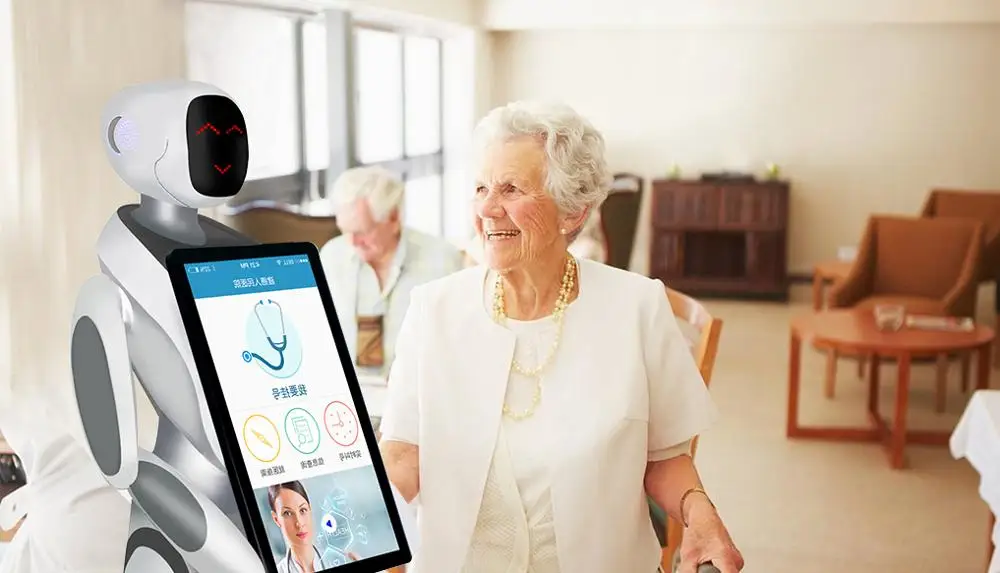
- Enhanced Social Engagement: Social robots and virtual companions will play a larger role in reducing loneliness and supporting mental health.
- Wider Adoption in Community Settings: Assisted living facilities and retirement communities will increasingly deploy AI solutions to improve safety, efficiency, and resident satisfaction.
As these predictions unfold, the future of AI in elderly care will likely be defined by a balance between technological innovation and the enduring importance of human connection. For those interested in analytics and data-driven insights, our ai smart home analytics guide offers further reading on how smart data can improve living environments.
FAQ: Artificial Intelligence and Senior Care
How does AI help seniors live independently?
AI-powered devices monitor health, detect emergencies, and automate daily tasks, allowing older adults to stay in their homes longer with greater safety and autonomy. Features like voice assistants, fall detection, and medication reminders are especially helpful for independent living.
Are AI solutions for elderly care safe and private?
Most reputable AI systems use encryption and strict privacy controls to protect sensitive data. However, it’s important to choose products from trusted providers and understand how personal information is stored and used. Regulatory standards are evolving to ensure safety and privacy.
Will AI replace human caregivers?
AI is designed to support, not replace, human caregivers. While technology can automate routine tasks and provide valuable monitoring, the compassion and judgment of people remain essential in senior care. The best outcomes come from combining AI tools with personal attention.