
The integration of computer vision elderly care solutions is transforming how older adults are supported in their homes and care facilities. By leveraging advanced image recognition and AI-powered monitoring, these technologies offer new ways to enhance safety, independence, and overall well-being for seniors. As the global population ages, the demand for innovative, non-intrusive support systems continues to grow, making computer vision a critical component in the evolution of elder care.
This article explores the practical uses of computer vision in supporting older adults, from fall detection and medication reminders to emotional well-being and social engagement. We’ll also look at the benefits, challenges, and future trends shaping this rapidly developing field. For readers interested in the technical foundations behind these systems, the guide on ai home automation programming basics provides valuable background on how AI-driven technologies are programmed and integrated into smart environments.
How Computer Vision Enhances Elderly Safety
One of the most significant contributions of computer vision elderly care systems is improving safety for seniors living independently or in assisted facilities. These systems use cameras and AI algorithms to monitor daily activities, detect unusual behaviors, and alert caregivers or family members in real time.
A key application is fall detection. Falls are a leading cause of injury among older adults, often resulting in hospitalization or long-term health complications. Computer vision-powered cameras can recognize sudden movements or abnormal postures, triggering immediate alerts to caregivers. Unlike traditional wearable devices, vision-based systems do not require the user to remember to wear or charge a device, making them more reliable for continuous monitoring.
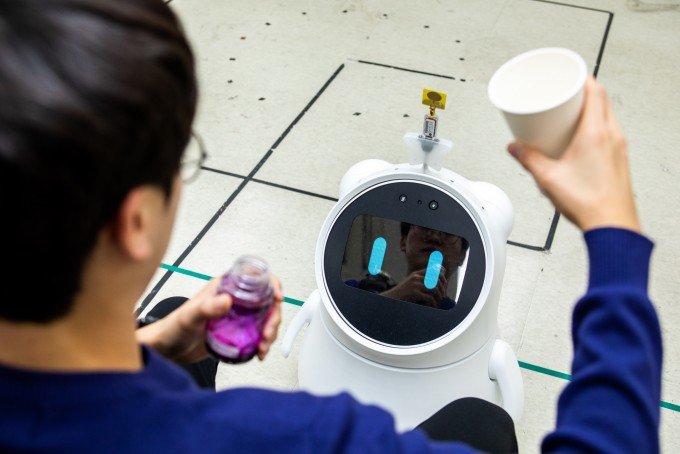
Beyond fall detection, computer vision can be used to monitor for wandering, especially in seniors with dementia or Alzheimer’s disease. If a resident attempts to leave a safe area, the system can notify staff or family, reducing the risk of accidents or getting lost. This proactive approach helps maintain a balance between safety and autonomy.
Supporting Daily Living and Health Management
Computer vision technologies are increasingly being used to support daily routines and health management for older adults. By analyzing visual data, these systems can assist with medication adherence, nutrition monitoring, and even detect signs of declining health.
For example, cameras placed in kitchens or living spaces can observe whether a senior is preparing meals regularly or skipping them, which may indicate underlying health or cognitive issues. Similarly, vision-based reminders can prompt users to take their medication at the correct times, reducing the risk of missed doses or accidental overdoses.
Some advanced systems can also monitor physical activity levels, posture, and gait. By tracking changes over time, caregivers and healthcare professionals can identify early signs of mobility issues or other health concerns, allowing for timely intervention. Integrating these insights with other smart home technologies, such as ai battery management systems for homes, can create a seamless and supportive living environment.
Promoting Social Connection and Emotional Well-Being
Isolation and loneliness are common challenges among older adults, particularly those living alone. Computer vision can play a role in addressing these issues by facilitating social interaction and monitoring emotional well-being.
Some systems use facial recognition and emotion analysis to assess mood and detect signs of depression or distress. If the technology identifies prolonged sadness or withdrawal, it can notify caregivers or suggest activities to encourage engagement. In addition, computer vision can enable video calls with family members or friends, making it easier for seniors to stay connected.
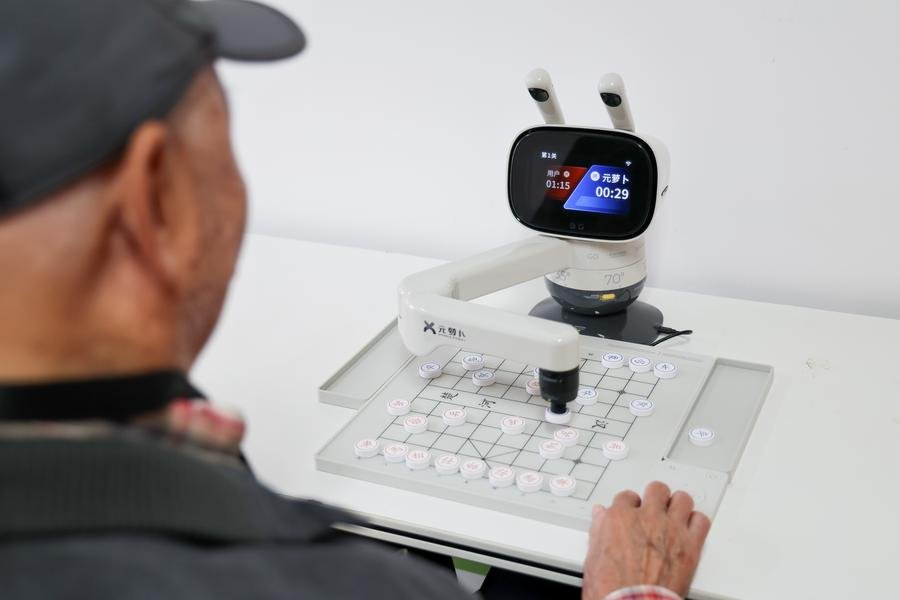
Recent advances have also led to the development of AI-powered companions that use vision to interpret gestures and facial expressions, creating more natural and responsive interactions. As highlighted in this analysis of AI companions in elder care, these technologies can help combat loneliness, boost safety, and provide scalable support in both home and institutional settings.
Privacy, Ethics, and Adoption Challenges
While the benefits of computer vision in supporting older adults are clear, there are important considerations around privacy, ethics, and user acceptance. Continuous video monitoring can raise concerns about surveillance and loss of dignity. Ensuring that data is securely stored and only accessible to authorized individuals is critical.
Ethical deployment requires transparency about what is being monitored and how the information is used. Many systems now offer privacy modes, such as only analyzing silhouettes or using on-device processing to avoid transmitting sensitive footage. Involving seniors and their families in the decision-making process helps build trust and ensures that solutions respect individual preferences.
Adoption can also be influenced by the perceived complexity of the technology. Solutions that are easy to install, require minimal maintenance, and integrate with existing smart home platforms are more likely to be embraced. For those interested in broader smart home integration, the article on ai home automation for energy storage discusses how AI-driven systems can work together for a more efficient and supportive home environment.
Future Trends in Computer Vision for Senior Support
The future of computer vision elderly care is promising, with ongoing research and development focused on making these systems smarter, more affordable, and even less intrusive. Advances in edge computing allow for real-time analysis without sending data to the cloud, further protecting privacy.
Integration with other AI technologies, such as natural language processing and predictive analytics, will enable more personalized and proactive care. For example, combining vision data with predictive models can help anticipate health issues before they become emergencies. The growing ecosystem of smart devices, including wearables and environmental sensors, will provide a holistic view of each individual’s needs.
As regulatory frameworks evolve, standards for data protection and ethical AI use will become more robust. For those navigating compliance in smart home environments, the ai smart home regulatory compliance guide offers insights into best practices and legal considerations.
FAQ
How does computer vision detect falls in elderly care?
Computer vision systems use cameras and AI algorithms to analyze movement patterns and body posture. When a sudden or abnormal movement is detected—such as a rapid descent or an unusual position on the floor—the system can automatically alert caregivers or emergency services. This approach provides continuous monitoring without requiring the user to wear a device.
Is privacy protected when using computer vision in senior living spaces?
Modern solutions are designed with privacy in mind. Many systems process data locally (on the device) and use techniques like silhouette analysis to avoid capturing identifiable images. Access to video feeds is restricted to authorized individuals, and users can often customize settings to balance safety with privacy.
Can computer vision help with medication management for older adults?
Yes, these systems can monitor daily routines and provide reminders for medication times. By observing whether a person takes their medication or skips doses, computer vision can help prevent missed or incorrect medication, supporting better health outcomes and reducing risks associated with medication errors.