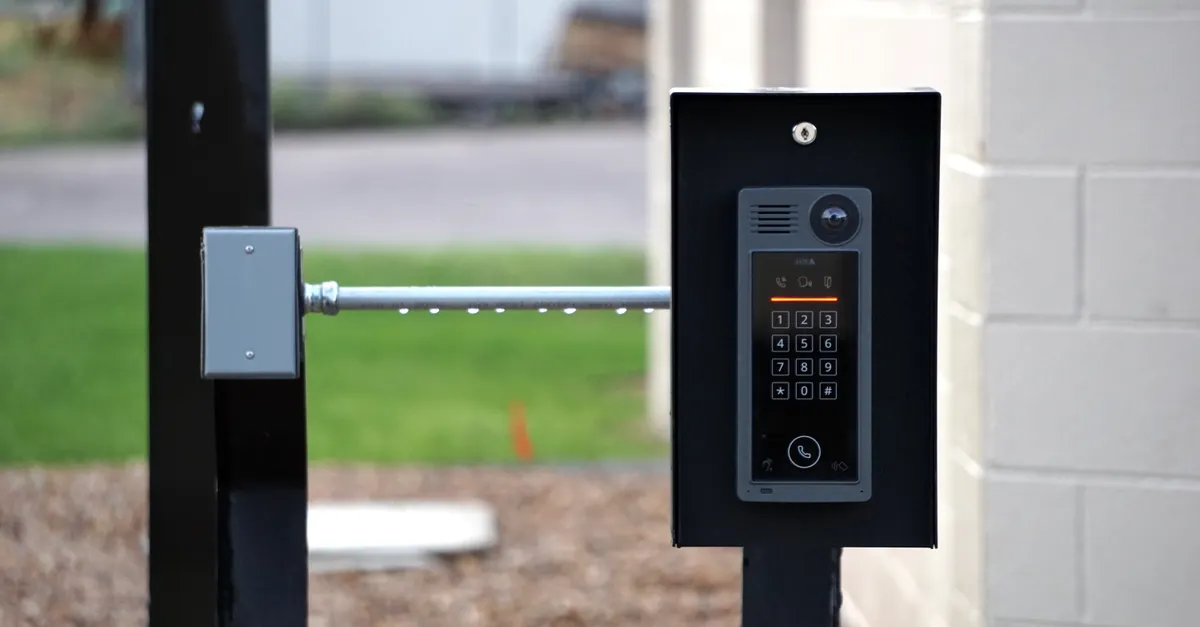
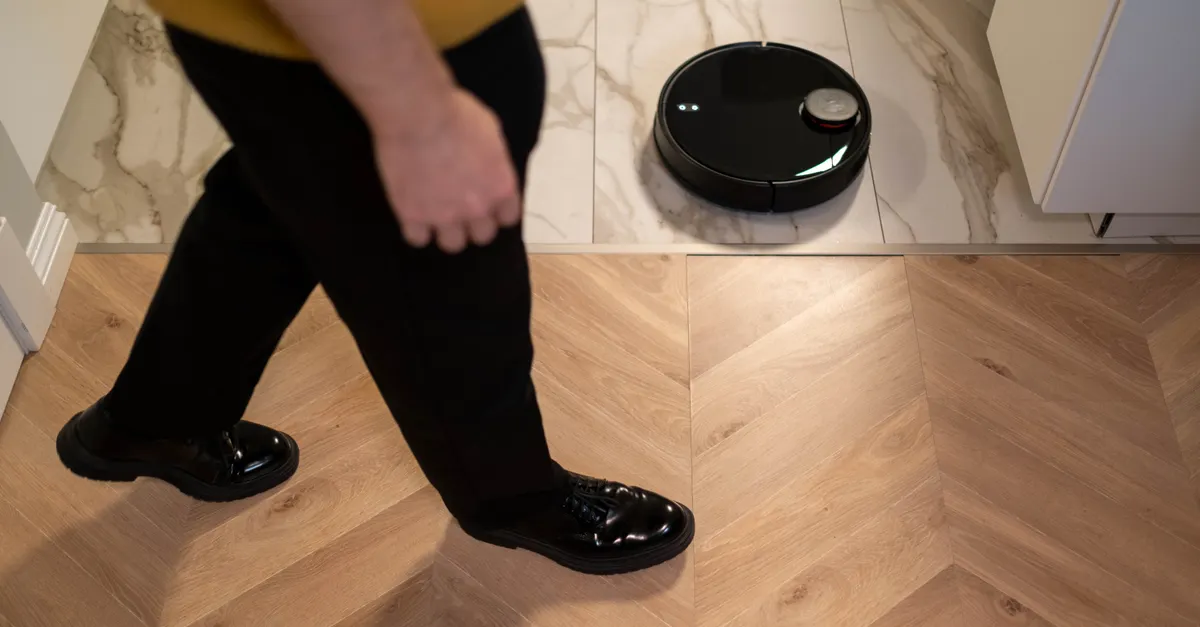
Artificial intelligence is transforming the landscape of senior care, offering new possibilities for safety, independence, and personalized support. However, as these technologies become more integrated into daily life, a range of ethical issues in AI senior care have emerged. From privacy concerns to algorithmic bias, these challenges demand careful consideration from developers, caregivers, and policymakers alike.
Understanding the ethical landscape is crucial for anyone involved in deploying or selecting AI-powered solutions for older adults. This article explores the most pressing concerns, highlights best practices, and points to resources for further learning. For those interested in the technical side of smart home systems, our guide on ai home automation programming basics provides additional context on how these technologies are built.
Understanding the Promise and Risks of AI in Elder Care
AI-driven tools in senior care range from fall detection systems and medication reminders to predictive analytics for health monitoring. These solutions can greatly enhance quality of life, enabling seniors to live independently for longer and reducing the burden on caregivers. However, the integration of AI also introduces risks that must be managed responsibly.
Key benefits include:
- 24/7 monitoring and rapid emergency response
- Personalized care plans based on data analysis
- Reduced feelings of isolation through virtual companions
Despite these advantages, the deployment of AI in this context raises important questions about autonomy, consent, and the potential for unintended harm.
Privacy and Data Security Challenges
One of the most significant ethical issues AI senior care technologies face is the collection and use of sensitive personal data. Devices often gather information about health, daily routines, and even conversations within the home. This data is valuable for improving care but also poses risks if not properly protected.
Concerns include:
- Unauthorized access to personal health information
- Potential misuse of data by third parties
- Lack of transparency about what is collected and how it is used
To address these issues, robust encryption, clear privacy policies, and user-friendly consent mechanisms are essential. Seniors and their families should be empowered to make informed choices about which data is shared and with whom.

Algorithmic Bias and Fairness in Senior Care AI
Another major concern is the risk of bias in AI algorithms. If training data does not accurately represent the diverse population of older adults, systems may inadvertently discriminate or provide unequal care. For example, fall detection algorithms might be less accurate for individuals with certain mobility patterns or cultural backgrounds.
Addressing algorithmic fairness requires:
- Diverse and representative data sets
- Regular auditing for bias and performance gaps
- Involvement of stakeholders from different backgrounds in design and testing
Without these safeguards, AI tools could reinforce existing inequalities or fail to meet the needs of vulnerable groups.
Autonomy, Consent, and Human Dignity
Respecting the autonomy and dignity of seniors is a foundational principle in care. AI systems must be designed to support, not undermine, individual choice. This includes ensuring that users understand how technologies work, what decisions are automated, and how to override or opt out of certain features.
Challenges in this area include:
- Complex interfaces that may confuse or overwhelm users
- Automated decision-making that bypasses human input
- Potential for over-monitoring, leading to feelings of surveillance or loss of privacy
Developers and care providers should prioritize transparency, clear communication, and user control at every stage.

Regulatory Oversight and Best Practices
The regulatory landscape for AI in elder care is still evolving. National and international bodies are beginning to set standards for safety, transparency, and accountability. However, gaps remain, and it is often up to organizations to adopt best practices proactively.
For a deeper look at compliance in smart home technologies, see our resource on ai smart home regulatory compliance. Staying informed about developments in this area helps ensure that both legal and ethical standards are met.
Best practices include:
- Regular risk assessments and ethical reviews
- Clear documentation of AI system capabilities and limitations
- Ongoing training for staff and users on responsible use
Collaboration between technology companies, healthcare providers, and advocacy groups is essential for building trust and ensuring that innovations serve the best interests of seniors.
Resources for Further Learning
For those seeking more in-depth information, the article Ethical Implications of Artificial Intelligence in Elderly Care offers a comprehensive overview of current debates and recommendations in the field.
Additionally, exploring topics like ai predictive analytics in smart homes and ai battery management systems for homes can provide valuable context for understanding how AI is shaping the future of residential care environments.
FAQ
What are the main ethical risks of using AI in senior care?
The primary risks include breaches of privacy, algorithmic bias, lack of informed consent, and the potential erosion of autonomy. Ensuring robust data protection, transparency, and regular auditing of AI systems can help mitigate these concerns.
How can families ensure that AI devices respect seniors’ privacy?
Families should look for devices with clear privacy policies, strong encryption, and options for controlling data sharing. It’s important to involve seniors in decision-making and regularly review device settings to align with their preferences.
Is there regulation to protect seniors from unethical AI use?
While some regulations exist, such as health data protection laws, the field is still developing. Organizations should follow best practices and stay updated on evolving legal requirements to ensure ethical deployment of AI in elder care.