
Embracing green living off-grid is about more than just disconnecting from traditional utilities—it’s a conscious choice to reduce your environmental impact while enjoying a self-sufficient lifestyle. For many, this journey starts with small, consistent changes that add up to a more sustainable way of life. Whether you’re new to off-grid living or looking to refine your daily habits, practical routines can make your homestead more efficient and eco-friendly.
This article explores straightforward strategies and routines for a more sustainable off-grid lifestyle. You’ll find actionable tips for managing resources, growing your own food, and integrating eco-conscious habits into everyday routines. For those interested in a deeper dive into holistic approaches, consider learning about regenerative living off-grid and how it goes beyond sustainability.
Building an Eco-Friendly Daily Routine
Living sustainably off the grid starts with establishing routines that minimize waste and maximize resourcefulness. Here are some key habits to incorporate into your daily life:
- Water Conservation: Collect rainwater for household use and irrigation. Use low-flow fixtures and practice mindful water usage, such as turning off taps while brushing teeth or washing dishes.
- Energy Efficiency: Rely on renewable sources like solar panels or wind turbines. Turn off lights and appliances when not in use, and choose energy-efficient devices wherever possible.
- Waste Reduction: Compost food scraps, recycle materials, and repurpose containers or packaging. Avoid single-use plastics and opt for reusable alternatives.
- Mindful Consumption: Purchase only what you need, prioritize local and bulk goods, and repair items instead of replacing them.
Gardening and Food Production for Sustainable Living
One of the most rewarding aspects of an off-grid lifestyle is growing your own food. Not only does this reduce reliance on external supply chains, but it also ensures fresher, healthier meals. Here’s how to make your garden a cornerstone of your sustainable routine:
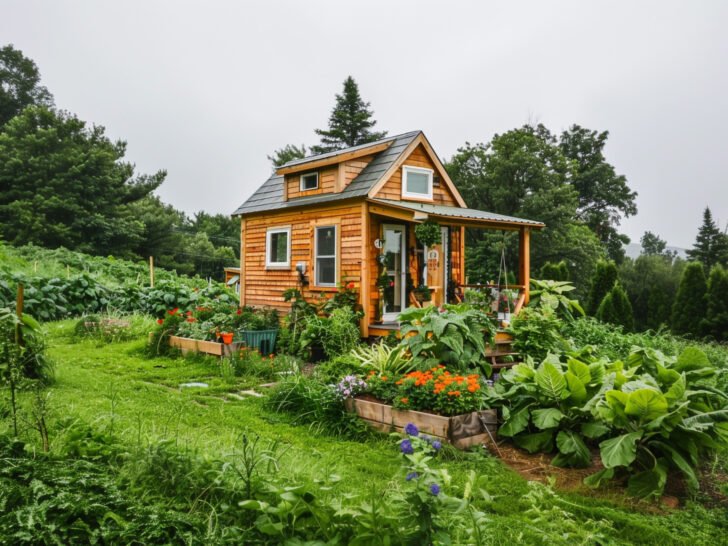
- Start Small: If you’re new to gardening, begin with a few raised beds or container gardens. These are easier to manage and can yield a surprising amount of produce.
- Compost and Mulch: Use kitchen scraps and yard waste to create nutrient-rich compost. Mulching helps retain soil moisture and suppress weeds.
- Seasonal Planting: Plan your crops according to local climate and season. Rotate crops to maintain soil health and reduce pests.
- Preserve the Harvest: Learn simple methods like canning, drying, or fermenting to extend your food supply through the year.
For more ideas on essential tools and techniques, check out this comprehensive guide to off-grid living essentials.
Resource Management and Energy Use Off the Grid
Efficient management of resources is crucial for anyone practicing green living off-grid. Here are some practical steps to optimize your use of energy and materials:
- Solar Power: Invest in a reliable solar setup. Regularly clean panels and monitor battery storage to ensure consistent energy supply.
- Alternative Heating: Use wood stoves, rocket mass heaters, or passive solar design to heat your home sustainably.
- Greywater Systems: Reuse water from sinks and showers for irrigation, reducing overall consumption.
- Efficient Appliances: Choose low-wattage or manual alternatives for daily tasks, such as hand-crank blenders or solar ovens.
Community and Connection in Off-Grid Living
While self-sufficiency is a core value, building connections with neighbors and like-minded individuals can enhance your experience. Sharing resources, trading produce, or collaborating on projects helps foster resilience and a sense of belonging.
Many off-grid communities host workshops, seed swaps, or work parties. Participating in these events can provide valuable knowledge, support, and camaraderie.
Daily Habits for a Greener Homestead
Simple, repeatable actions form the backbone of a sustainable lifestyle. Here are some daily habits to consider:
- Morning Checks: Inspect solar batteries, water tanks, and garden beds each morning to catch issues early.
- Meal Planning: Cook with what’s in season and use leftovers creatively to minimize waste.
- Animal Care: If you keep chickens or goats, establish a routine for feeding, watering, and cleaning to keep livestock healthy and productive.
- Mindful Cleaning: Use biodegradable soaps and natural cleaning agents to protect your soil and water sources.
Adapting to Challenges and Staying Motivated
Living off the grid comes with its share of challenges—unexpected weather, equipment failures, or learning curves. Staying flexible and open to new solutions is key. Celebrate small wins, seek advice from experienced homesteaders, and remember that every step toward sustainability makes a difference.
If you’re interested in more advanced approaches, such as integrating technology or exploring new standards for home care, resources like AI smart home integration for seniors can offer additional inspiration for modern off-grid living.
Frequently Asked Questions
What are the first steps to start living sustainably off the grid?
Begin by assessing your current resource use and identifying areas for improvement. Start with water conservation, renewable energy installation, and growing some of your own food. Gradually introduce new habits and systems as you gain experience.
How do I manage waste and recycling when living off-grid?
Composting organic waste is essential. Recycle materials whenever possible, and repurpose items to reduce landfill contributions. Avoid single-use products and opt for durable, reusable alternatives.
Is it possible to maintain comfort and convenience while living off the grid?
Yes, with thoughtful planning and efficient systems, you can enjoy a comfortable lifestyle. Modern solar setups, efficient appliances, and well-designed homes make it possible to balance sustainability with convenience.
Conclusion
Adopting green living off-grid practices is a journey of continuous learning and adaptation. By focusing on daily routines, resource management, and community connections, you can create a lifestyle that is both resilient and environmentally responsible. Every small change contributes to a healthier planet and a more fulfilling way of life.