The integration of artificial intelligence into modern home protection has transformed the way we safeguard our living spaces. By leveraging advanced algorithms, machine learning, and real-time data analysis, today’s smart security solutions are more adaptive and responsive than ever. This article explores the practical ways intelligent technology is reshaping residential safety, from predictive threat detection to seamless automation.
As more homeowners seek reliable and proactive measures, understanding how AI improves home security is essential. Whether you live in a city apartment or manage a remote property, the benefits of these innovations are far-reaching. For those interested in sustainable living, integrating smart technology can also complement strategies found in resources like smart tech for off-grid homes, helping you stay protected even in challenging environments.
AI-Driven Threat Detection and Prevention
One of the most significant advancements in residential protection is the ability of AI-powered systems to identify and respond to potential threats in real time. Unlike traditional alarms that simply react to triggers, intelligent security cameras and sensors use machine learning to distinguish between normal activity and suspicious behavior. This means fewer false alarms and faster, more accurate responses.
- Facial recognition helps differentiate between family members, guests, and unknown individuals.
- Object detection algorithms can spot packages, vehicles, or even pets, reducing unnecessary alerts.
- Pattern analysis allows the system to learn your household’s routines and flag unusual activity.
These capabilities not only improve peace of mind but also enable more effective communication with emergency services, should a genuine threat arise.
Smart Automation for Everyday Security
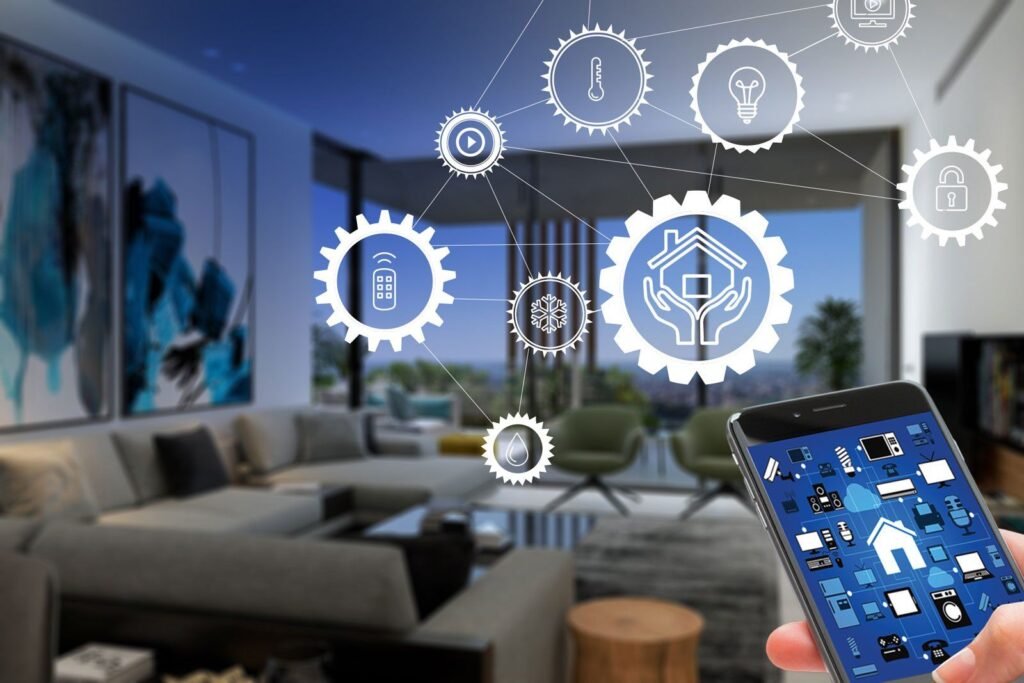
Automation is another area where artificial intelligence is making a noticeable impact. By connecting various devices—such as locks, lights, and cameras—AI can orchestrate a coordinated response to potential risks. For example, if a sensor detects movement at night, the system might automatically turn on exterior lights, lock doors, and send a notification to your phone.
Homeowners can also set up custom routines based on their preferences. Some systems allow you to schedule security checks, simulate occupancy while you’re away, or integrate with voice assistants for hands-free control. This level of personalization ensures that your home’s protection adapts to your lifestyle, not the other way around.

Remote Monitoring and Real-Time Alerts
The ability to monitor your property from anywhere is a game-changer for modern homeowners. AI-powered platforms provide live video feeds, instant notifications, and even two-way communication features. This means you can check in on your home, communicate with visitors, or respond to alerts no matter where you are.
Many solutions offer mobile apps that consolidate all your security data in one place. These apps use AI-enhanced analytics to prioritize alerts, so you only get notified about events that matter. For those living in remote or off-grid locations, combining these systems with backup power and connectivity can further enhance safety and reliability.
How AI Enhances Home Security for Off-Grid and Remote Living
For individuals embracing off-grid lifestyles or living in rural areas, intelligent security systems offer unique advantages. With the ability to operate autonomously and adapt to changing conditions, these solutions provide robust protection even when traditional infrastructure is lacking.
Integrating AI with solar-powered cameras, local storage, and mesh networks ensures continuous coverage. For more insights on resilient living, explore off-grid homestead sustainability tips to see how technology and sustainability can go hand in hand.

Privacy and Ethical Considerations
While the benefits of AI in home protection are clear, it’s important to address privacy and ethical concerns. Advanced surveillance features, such as facial recognition and continuous monitoring, raise questions about data security and consent. Homeowners should look for systems that offer robust encryption, transparent data policies, and customizable privacy settings.
Choosing reputable brands and staying informed about software updates can help mitigate risks. It’s also wise to regularly review device permissions and ensure that only authorized users have access to sensitive information.
Future Trends in Intelligent Home Protection
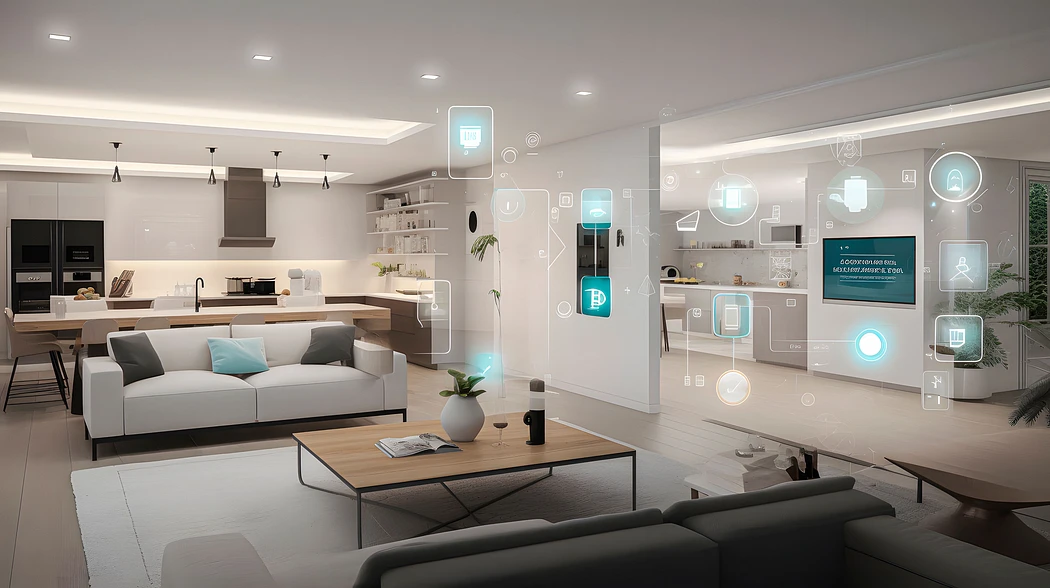
The evolution of smart security is ongoing. Emerging trends include the integration of AI with other smart home devices, such as thermostats and appliances, for a more holistic approach to safety. Predictive analytics may soon enable systems to anticipate risks before they occur, while advancements in edge computing promise faster, more private processing of sensitive data.
For a deeper look at how these technologies are shaping daily life, see how AI-enabled smart home solutions are changing daily routines.
FAQ
What are the main benefits of using AI in home security?
AI brings smarter threat detection, reduces false alarms, enables real-time alerts, and allows for personalized automation. These features collectively provide more reliable and efficient protection compared to traditional systems.
How does AI help reduce false alarms in security systems?
By learning household patterns and distinguishing between normal and unusual activity, AI-powered devices can filter out routine movements—like pets or passing cars—so you only receive alerts for genuine concerns.
Is it possible to use AI-based security in off-grid or rural homes?
Yes, many AI-driven solutions are compatible with solar power, local storage, and wireless connectivity, making them suitable for remote or off-grid properties. These systems can operate independently and provide reliable coverage even without constant internet access.
Are there privacy risks with AI-powered home security?
As with any connected device, there are privacy considerations. Choose products with strong encryption, clear data policies, and user controls to manage access and sharing of personal information.