Building a truly self-reliant lifestyle away from public utilities requires more than just a remote location. It’s about creating systems that support your needs year-round, minimize waste, and make the most of available resources. Whether you’re just getting started or looking to improve your setup, practical off-grid homestead sustainability tips can help you maximize efficiency and resilience.
This guide covers proven strategies for food, water, energy, and waste management, as well as ways to future-proof your homestead. For those interested in preparing for emergencies, consider exploring off-grid medical preparedness to ensure your family’s safety in any situation.
Food Production Strategies for Self-Sufficiency
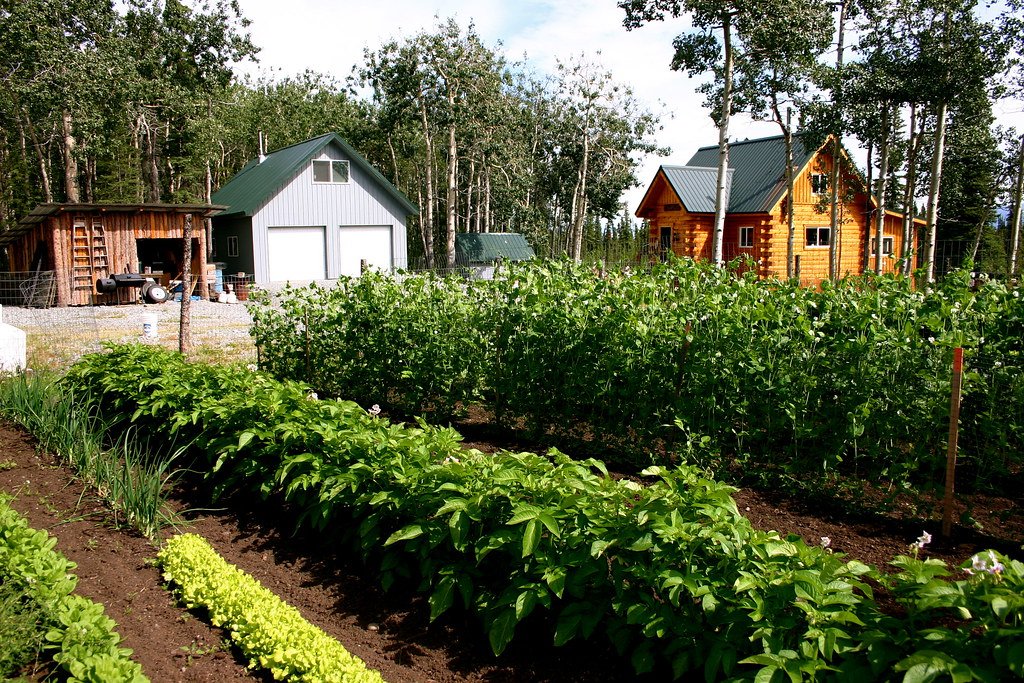
Growing your own food is a cornerstone of sustainable living. To make your garden productive and resilient, focus on soil health, crop diversity, and season extension. Raised beds, companion planting, and mulching are effective for conserving water and reducing weeds. Investing in quality tools and infrastructure, such as a greenhouse or cold frames, can help you harvest fresh produce even in challenging climates.
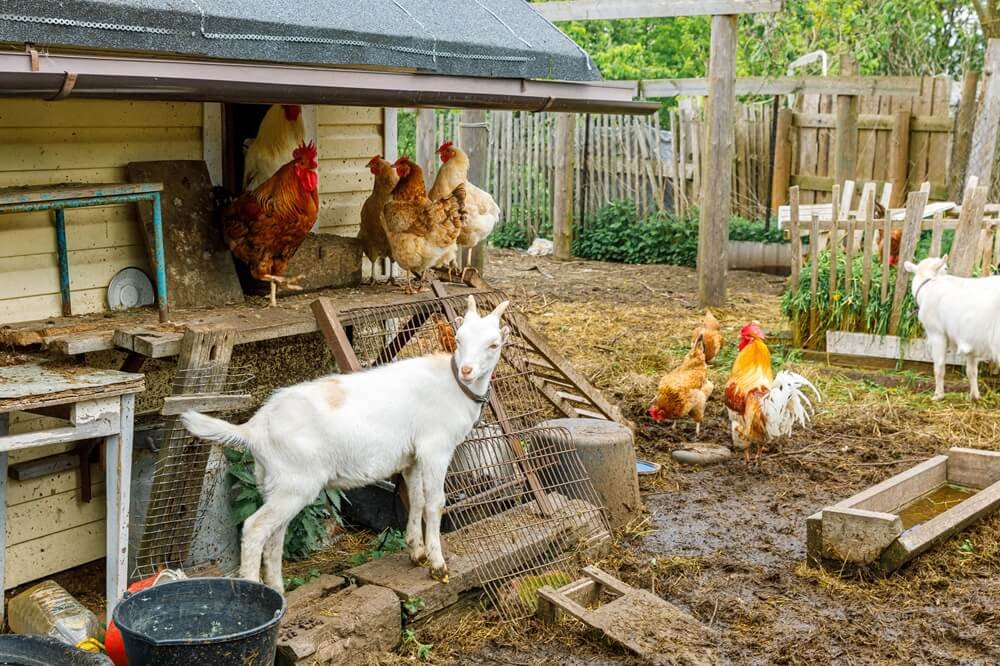
For protein sources, consider integrating small livestock like chickens, ducks, or rabbits. Rotational grazing and mobile coops can keep animals healthy and reduce their impact on the land. Preserving your harvest through canning, dehydrating, or fermenting ensures a steady food supply throughout the year.
Water Collection and Conservation Methods
Reliable water access is essential for any homestead. Rainwater harvesting is one of the most effective ways to secure a steady supply. Install gutters and downspouts on all outbuildings, and direct runoff into food-safe barrels or cisterns. Use first-flush diverters to keep contaminants out of your storage tanks.
For irrigation, drip systems and soaker hoses minimize evaporation and deliver water directly to plant roots. Mulching garden beds further conserves moisture. If you have a well, maintain it regularly and consider a manual backup pump for emergencies. Greywater recycling—using lightly used water from sinks or showers for irrigation—can also stretch your supply, provided it’s done safely.
Renewable Energy Solutions for Off-Grid Living
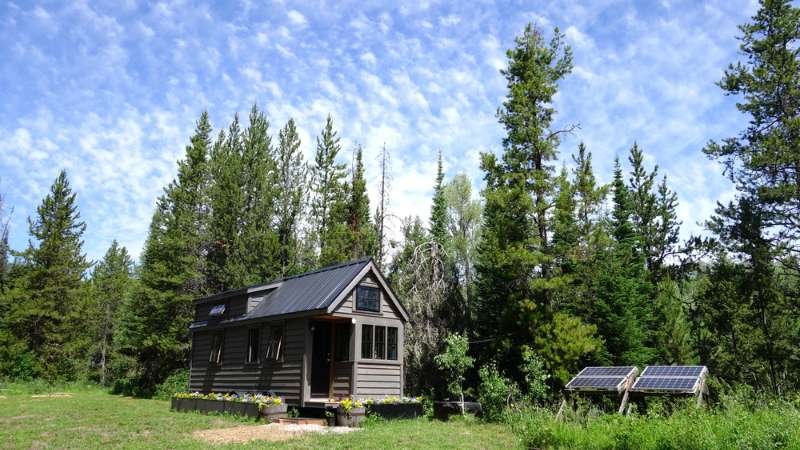
Powering your homestead with renewable energy reduces reliance on fossil fuels and grid infrastructure. Solar panels are the most common choice, but wind turbines or micro-hydro systems may also be viable depending on your location. When designing your system, calculate your daily energy needs and size your battery bank accordingly.
Energy efficiency is just as important as generation. Use LED lighting, energy-star appliances, and passive solar design to reduce consumption. Backup generators can provide peace of mind during extended cloudy periods, but prioritize renewable sources whenever possible. For a comprehensive overview of essential gear and setup, see this off-grid living essentials guide.
Waste Management and Composting Practices
Managing waste responsibly is key to maintaining a healthy environment. Composting kitchen scraps and yard waste not only reduces landfill use but also creates valuable soil amendments. Choose a composting method that fits your climate and space—hot composting, vermicomposting, or even a simple pile.
Humanure systems, when properly managed, can safely recycle nutrients back into the soil. For non-compostable waste, reduce and reuse wherever possible. Repurpose containers, repair tools, and avoid single-use products. Responsible waste management supports both sustainability and long-term self-reliance.
Animal Husbandry for a Sustainable Homestead
Raising animals can greatly enhance your homestead’s productivity, but it’s important to balance their needs with your land’s carrying capacity. Choose breeds suited to your climate and available resources. Provide shelter, clean water, and rotational grazing to keep animals healthy and pastures productive.
Integrating animals with your gardening efforts—such as using chickens for pest control or manure for compost—creates closed-loop systems that minimize inputs and maximize yields. Automated solutions, like solar-powered coop doors, can simplify daily chores and improve animal welfare.
Building Resilience: Emergency and Disaster Preparedness
Even the most sustainable homesteads face unexpected challenges. Preparing for storms, wildfires, or supply chain disruptions is essential. Keep a well-stocked pantry, maintain backup water and power sources, and develop an emergency communication plan. For more in-depth advice, review the disaster preparedness off-grid resource.
Consider investing in first aid training and supplies, and regularly review your evacuation routes. Community connections with nearby homesteaders can also provide support during difficult times.
Smart Technology and Modern Innovations
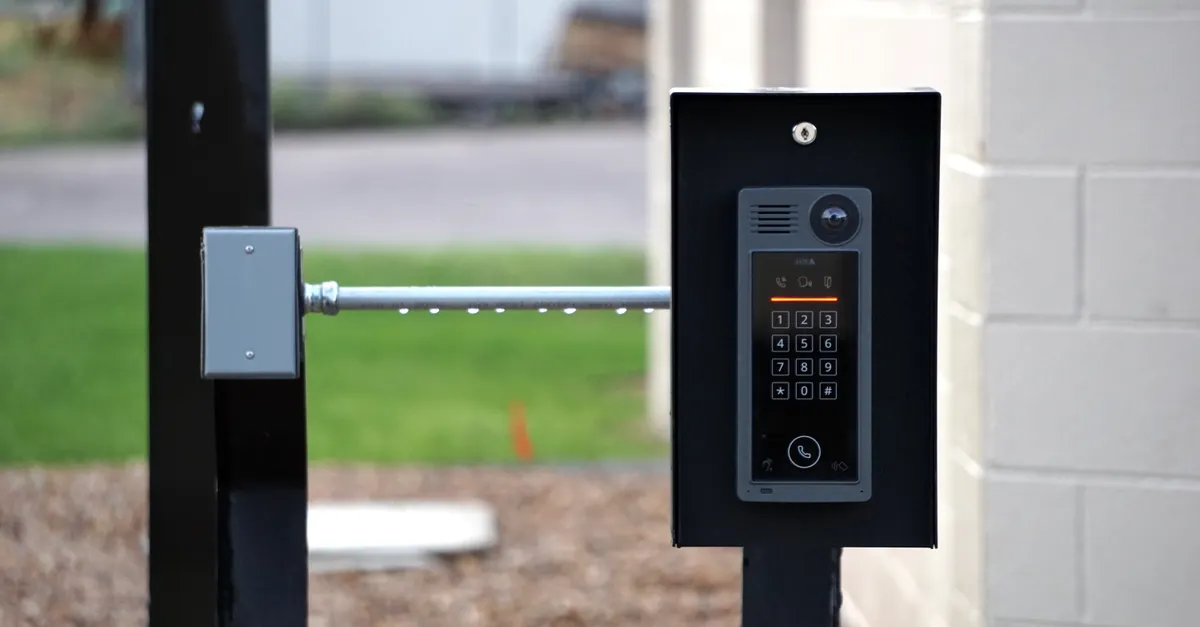
While traditional skills are vital, modern solutions can streamline daily operations and improve sustainability. Smart sensors, remote monitoring, and automated systems help track resource use and catch problems early. For a deeper dive into integrating technology, see the guide on smart tech for off-grid homes.
Solar-powered pumps, automatic irrigation timers, and energy management apps are just a few examples of tools that can make off-grid living more efficient and less labor-intensive.
Adapting to Climate and Regional Challenges
Every location presents unique obstacles, from droughts to heavy snowfall. Research your region’s weather patterns and native plants to inform your planning. Windbreaks, shade structures, and water catchment systems can help mitigate extreme conditions. Those in tropical climates may benefit from specialized advice, such as the insights found in tropical off-grid homesteading.
Continually observe and adapt your systems to respond to changing conditions. Flexibility and ongoing learning are key to long-term success.
Frequently Asked Questions
What are the most important first steps for new off-grid homesteaders?
Start by assessing your land’s resources—water, sunlight, soil quality, and climate. Prioritize reliable water collection, basic food production, and a safe shelter. Gradually add renewable energy and waste management systems as your skills and budget allow.
How can I make my homestead more energy efficient?
Use passive solar design, insulate buildings well, and choose energy-efficient appliances. Monitor your usage with smart meters and adjust habits to reduce waste. Combining solar, wind, and other renewable sources can create a more stable energy supply.
Is it possible to live completely off the grid without any outside supplies?
While total independence is challenging, many homesteaders achieve a high degree of self-reliance by producing most of their food, water, and energy. However, occasional purchases of seeds, tools, or medical supplies are common and can enhance sustainability.
Conclusion
Achieving a sustainable, off-grid lifestyle is a continuous process of learning, adapting, and improving. By focusing on food production, water conservation, renewable energy, and responsible waste management, you can create a resilient homestead that thrives for years to come. Leverage both traditional wisdom and modern technology to meet your needs efficiently and sustainably.
For further inspiration on integrating smart solutions into your setup, explore modern off-grid homesteading approaches that blend innovation with time-tested practices.