Living independently from public utilities is more achievable than ever, thanks to a new wave of smart tech for off-grid homes. These innovations help homeowners manage energy, water, food, and security with greater efficiency and less manual effort. Whether you’re planning a full-time homestead or a weekend retreat, understanding the latest technology can make off-grid life more comfortable and sustainable.
Adopting modern solutions doesn’t mean sacrificing the self-reliant spirit. Instead, it’s about using tools that empower you to make smarter decisions, reduce waste, and enjoy more free time. If you’re curious about how others are thriving off the grid, you might find inspiration in off-grid living success stories from real homesteaders.

Why Embrace Smart Solutions for Off-Grid Living?
The shift toward off-grid smart technology is driven by the need for reliability, efficiency, and ease of use. Traditional off-grid setups often required constant monitoring and manual adjustments. Today’s systems automate many of these tasks, freeing up time and reducing stress.
- Remote Monitoring: Track power, water, and security from anywhere using your phone or tablet.
- Automation: Set schedules for lighting, irrigation, and even animal care, so your homestead runs smoothly even when you’re away.
- Data Insights: Analyze usage patterns to optimize resource management and cut costs.
For those considering a move away from the grid, learning about transitioning to off-grid life can help you prepare for the challenges and rewards ahead.
Key Areas Where Smart Tech Makes a Difference
Energy Management and Solar Integration
One of the most significant advances in smart tech for off-grid homes is in energy management. Modern solar inverters, battery banks, and charge controllers now come with Wi-Fi or Bluetooth connectivity. This allows real-time monitoring of energy production and consumption, helping you make informed decisions about usage and storage.
- Smart inverters automatically switch between solar, battery, and backup generators.
- Mobile apps provide instant alerts if your system needs attention.
- Some systems can even forecast energy needs based on weather predictions.
Water Conservation and Filtration
Managing water is crucial for any homestead. Smart pumps and filtration systems can monitor tank levels, detect leaks, and adjust flow rates automatically. Some setups integrate with weather data to optimize irrigation schedules, ensuring gardens and crops get just the right amount of water.
Food Production and Garden Automation
Technology is making it easier to grow food off the grid. Automated greenhouse controls manage temperature, humidity, and ventilation. Smart irrigation systems use sensors to deliver water only when needed, reducing waste and boosting yields.
Security and Surveillance
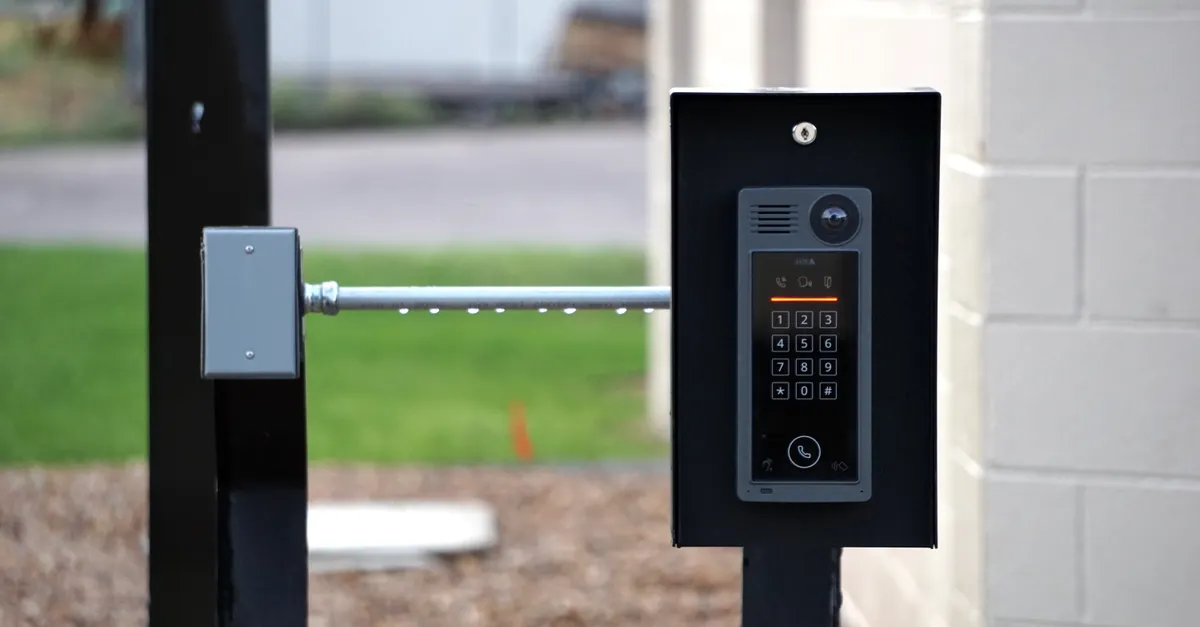
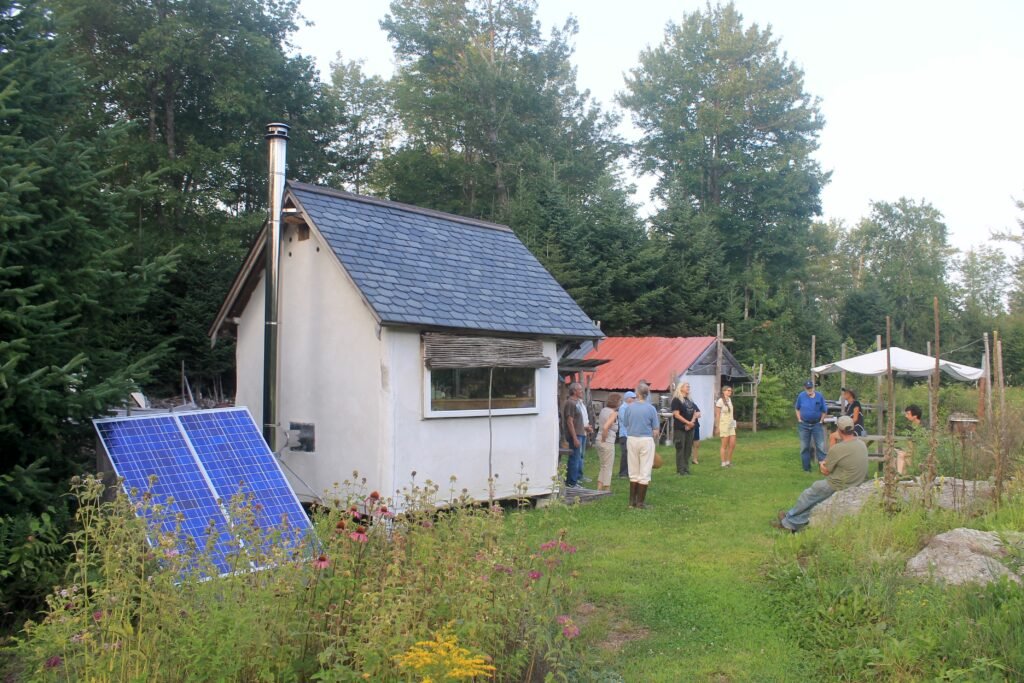
Protecting your property is easier with smart cameras, motion sensors, and automated lighting. Many of these devices are designed to operate on low voltage or solar power, making them ideal for remote locations. Notifications can be sent directly to your phone, so you’re always aware of what’s happening around your home.
Animal Care and Livestock Monitoring
Smart feeders, waterers, and coop doors simplify animal management. These devices can be programmed to operate on a schedule or respond to environmental cues, ensuring your animals are cared for even if you’re not nearby.
Choosing the Right Smart Tech for Your Homestead
Not every solution fits every property. When selecting technology, consider your climate, available resources, and personal preferences. Start by identifying your biggest pain points—whether it’s energy storage, water supply, or food production—and look for solutions that address those needs first.
- Look for devices with low power requirements and offline functionality.
- Prioritize open-source or widely supported platforms for easier troubleshooting.
- Read reviews from other off-grid users to gauge reliability and support.
For a deeper dive into how technology is transforming rural living, explore this overview of modern off-grid homesteading and see how others are integrating smart tools into their daily routines.
Practical Examples of Smart Tech in Action
Many homesteaders are already reaping the benefits of automation and remote monitoring. Here are some practical applications:
- Automated greenhouse vents and shade systems that respond to temperature and sunlight.
- Rainwater harvesting systems with smart sensors to prevent overflow and contamination.
- Remote-controlled well pumps and water heaters for efficient energy use.
- Chicken coops with automatic doors and climate control for healthier flocks.
Tips for Getting Started with Off-Grid Technology
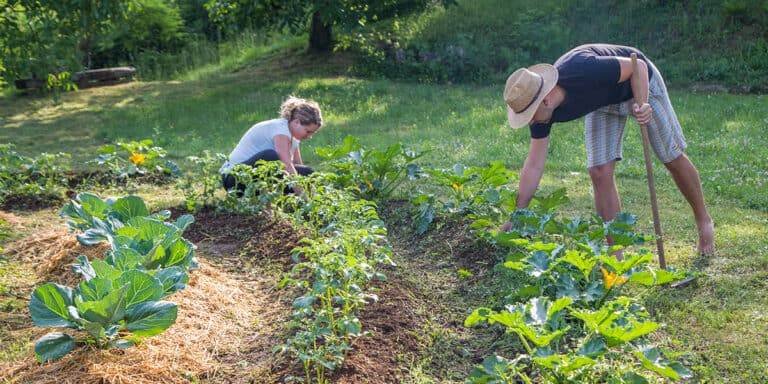
If you’re new to these innovations, start small. Choose one system—like a smart water pump or solar monitor—and get comfortable with its features. Gradually expand as your needs grow and your confidence increases.
- Begin with essential systems that offer the most immediate benefits.
- Invest in quality hardware designed for rugged, off-grid use.
- Keep backup options available in case of technical issues.
- Network with other off-grid homeowners to share experiences and troubleshooting tips.
For more detailed advice, check out this comprehensive guide on key things to know about off-grid homesteading.
Common Challenges and How to Overcome Them
While the benefits are substantial, integrating new technology can come with hurdles. Connectivity issues, power limitations, and learning curves are common. To overcome these:
- Opt for devices that work offline or with local networks, not just cloud-based systems.
- Maintain a mix of manual and automated controls for redundancy.
- Stay informed about firmware updates and security best practices.
If you want to understand the daily realities of living off the grid, including how technology fits in, see this overview of daily life on an off-grid homestead.
FAQ: Smart Tech and Off-Grid Living
Can smart technology work without a constant internet connection?
Many devices are designed to function locally, using Bluetooth or local Wi-Fi, so you don’t need a permanent internet connection. However, some features—like remote alerts—may require occasional connectivity.
Is it possible to automate animal care off the grid?
Yes. There are solar-powered automatic feeders, waterers, and coop doors that operate on timers or respond to environmental changes, making animal management much easier.
How do I choose the best smart tech for my property?
Assess your most pressing needs, research products with proven reliability, and start with one system at a time. Look for solutions that are energy-efficient and compatible with your existing setup.
Conclusion: The Future of Off-Grid Homesteads
Embracing smart tech for off-grid homes is about making life more manageable, secure, and enjoyable. With the right tools, you can maximize your independence while minimizing daily hassles. As technology continues to evolve, off-grid living will only become more accessible and rewarding for those ready to take the leap.
For a balanced look at the lifestyle, including both its rewards and challenges, explore this resource on the rural off-grid lifestyle.