Artificial intelligence is transforming the way we manage comfort and energy use at home. One of the most practical applications is in air conditioning, where smart systems are now capable of learning, adapting, and making real-time decisions to deliver efficient cooling. If you’ve ever wondered how do AI AC units optimize cooling, this article breaks down the technology, its benefits, and what sets it apart from traditional systems.
Modern air conditioners equipped with AI don’t just follow a fixed schedule or respond to a single thermostat reading. Instead, they analyze multiple data points—like occupancy, weather forecasts, and user preferences—to deliver the right amount of cooling exactly when and where it’s needed. This not only improves comfort but also helps reduce energy bills and environmental impact.
For those interested in the broader landscape of smart home technology, exploring topics like ai home automation for energy storage can provide deeper insights into how AI is reshaping household energy management.
Understanding AI-Driven Air Conditioning
Traditional air conditioners operate on simple logic: turn on when the temperature rises above a set point, and turn off when it drops below. In contrast, AI-powered cooling systems use machine learning algorithms to analyze patterns and predict future needs. This means your AC can anticipate when you’ll be home, adjust cooling based on room occupancy, and even factor in local weather changes.
Key features that distinguish AI-enabled units include:
- Adaptive Scheduling: Learns your daily routines and adjusts operation times accordingly.
- Occupancy Detection: Uses motion sensors or smartphone geofencing to cool only occupied spaces.
- Weather Integration: Pulls real-time weather data to optimize cooling cycles.
- Continuous Learning: Improves efficiency over time by analyzing usage patterns.
How Smart Cooling Systems Make Decisions
To answer the question, how do AI AC units optimize cooling, it’s important to look at the decision-making process. These systems gather data from multiple sources:
- Indoor and outdoor temperature sensors
- Humidity levels
- Room occupancy data
- User preferences and manual overrides
- Weather forecasts and seasonal trends
By processing this information, the AI can determine the most efficient way to cool your home. For example, if it detects that a room is unoccupied, it can reduce or pause cooling in that area. If a heatwave is predicted, the system might pre-cool your home during off-peak hours to save on energy costs.

Benefits of AI-Optimized Cooling
Integrating artificial intelligence into air conditioning brings several advantages:
- Energy Savings: By cooling only when and where needed, AI systems can significantly cut down on electricity use.
- Enhanced Comfort: Personalized settings ensure that each room is cooled to suit individual preferences and occupancy.
- Lower Environmental Impact: Reduced energy consumption means a smaller carbon footprint.
- Predictive Maintenance: Many AI AC units can detect issues early, prompting maintenance before breakdowns occur.
For homeowners interested in maximizing efficiency, pairing AI AC units with other smart home devices—like smart thermostats and energy storage systems—can further enhance performance. You can learn more about these integrations in guides such as ai battery management systems for homes and ai predictive analytics in smart homes.
Key Technologies Behind AI Cooling Systems
The core of AI-driven air conditioning lies in its ability to process and act on vast amounts of data. Here are some of the main technologies involved:
- Machine Learning Algorithms: These allow the system to recognize patterns and make predictions about future cooling needs.
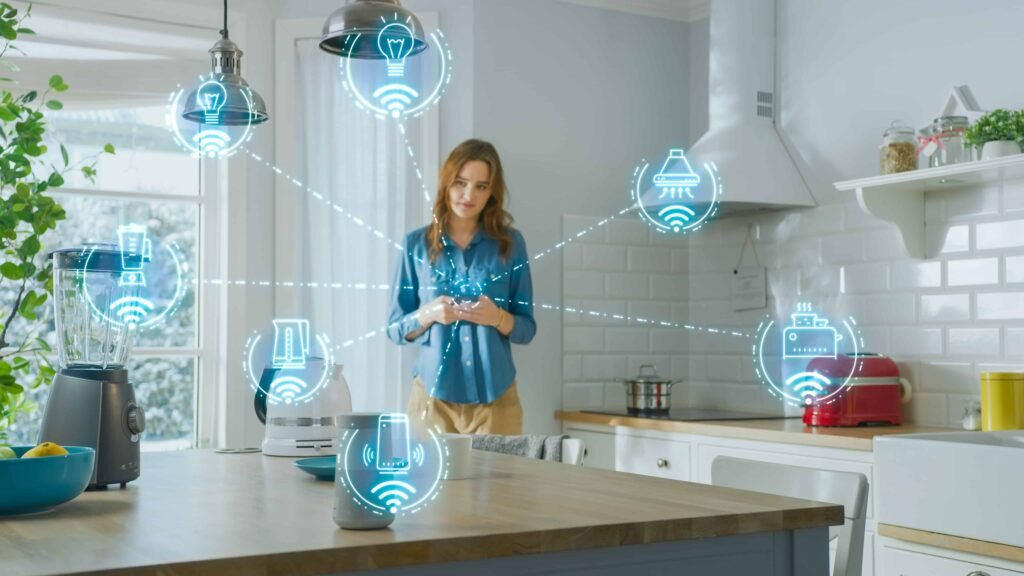
- IoT Connectivity: Sensors and devices communicate over the internet, enabling real-time data sharing and remote control.
- Cloud Computing: Many AI AC units leverage cloud platforms for advanced analytics and updates.
- Integration with Smart Home Ecosystems: Compatibility with voice assistants and other smart devices enhances usability.
Comparison: AI AC Units vs. Traditional Systems
| Feature | Traditional AC | AI-Enabled AC |
|---|---|---|
| Control Logic | Manual or basic programmable | Adaptive, predictive, and automated |
| Energy Efficiency | Moderate | High, with ongoing optimization |
| Personalization | Limited | Room-by-room customization |
| Integration | Standalone | Works with smart home platforms |
| Maintenance | Reactive | Predictive and proactive |
Integrating AI AC Units with Other Smart Home Devices
One of the greatest strengths of AI-driven cooling is its ability to work alongside other smart home technologies. For example, pairing your AC with a smart thermostat allows for even finer control and energy savings. Smart speakers can provide voice control, making it easy to adjust settings without lifting a finger. Leak detectors and energy storage systems further enhance your home’s efficiency and safety.
For those looking to build a comprehensive smart home, resources like ai home automation programming basics offer valuable guidance on getting started with automation and device integration.
Real-World Applications and Future Trends
AI-powered air conditioning is already making a difference in homes, offices, and commercial spaces. As technology advances, expect even more sophisticated features, such as:
- Deeper integration with renewable energy sources
- Automated demand response to utility signals
- Enhanced security and privacy controls
- Greater interoperability across brands and platforms
For gift ideas and the latest innovations in smart home tech, check out this roundup of practical smart home gift ideas for 2025.
FAQ
What makes AI air conditioners more efficient than traditional models?
AI air conditioners use advanced algorithms to analyze data from sensors, weather forecasts, and user habits. This allows them to deliver cooling only when and where it’s needed, reducing wasted energy and improving comfort.
Can AI AC units be controlled remotely?
Yes, most AI-enabled systems offer remote control via smartphone apps or smart home platforms. Many also support voice commands through smart speakers, making adjustments easy from anywhere.
Are AI AC units compatible with existing smart home devices?
Many modern AI air conditioners are designed for compatibility with popular smart home ecosystems. They can often be integrated with smart thermostats, speakers, and other IoT devices for seamless automation and enhanced control.
Conclusion
AI-powered air conditioning represents a significant leap forward in home comfort and energy management. By learning from your habits, adapting to real-time conditions, and integrating with other smart devices, these systems answer the question of how do AI AC units optimize cooling with practical, measurable results. As adoption grows and technology evolves, expect even greater efficiency, comfort, and convenience in the years ahead.