Falls are a major concern for older adults and people with mobility challenges. Technology has stepped in to help, and AI fall detection gadgets are now at the forefront of home safety solutions. But how do AI fall detection gadgets work in practice, and what sets them apart from traditional alert systems? This article explores the core technology, real-world applications, and what to consider when choosing these devices for your home or loved ones.
As smart homes become more advanced, integrating artificial intelligence into everyday safety devices is increasingly common. These intelligent sensors and wearables use a blend of hardware and software to monitor movement, recognize patterns, and send alerts when a fall is detected. If you’re interested in broader smart home automation, you might also want to explore ai occupancy detection in homes for a comprehensive approach to home monitoring.
Understanding the Technology Behind AI Fall Detection
Modern fall detection devices rely on a combination of sensors, machine learning algorithms, and connectivity to accurately identify and respond to falls. Unlike basic motion sensors or manual emergency buttons, these gadgets are designed to distinguish between normal activities and potentially dangerous incidents.
- Accelerometers and Gyroscopes: These sensors measure movement, orientation, and sudden changes in velocity. When a rapid, unusual motion is detected, the device flags it for further analysis.
- AI Algorithms: The core of these gadgets is the artificial intelligence software. It analyzes sensor data in real time, comparing it to patterns of typical falls versus everyday movements like sitting or bending.
- Connectivity: Most devices connect to smartphones, Wi-Fi, or dedicated monitoring services. When a fall is confirmed, alerts can be sent to caregivers, family members, or emergency responders.
By combining these elements, AI-powered devices offer a more reliable and less intrusive way to monitor safety at home.
How Do AI Fall Detection Gadgets Work in Real Life?
To answer the question of how do AI fall detection gadgets work in daily scenarios, it’s helpful to look at the typical workflow:
- Continuous Monitoring: The device—often worn as a pendant, wristband, or integrated into a smart speaker—constantly tracks movement and orientation.
- Event Detection: If a sudden, abnormal motion occurs (such as a rapid downward acceleration followed by stillness), the sensors trigger the AI to analyze the event.
- Pattern Recognition: The AI compares the detected event against a database of known fall patterns, filtering out false positives like dropping the device or sitting abruptly.
- Alert and Response: If the algorithm determines a fall is likely, the system sends an alert. Some devices prompt the user to confirm if they’re okay before escalating the alert to emergency contacts.
This process happens in seconds, minimizing delays in response and reducing unnecessary alarms.
Key Features That Set AI-Based Fall Detection Apart
What makes these devices more effective than older systems? Here are some distinguishing features:
- Automatic Detection: No need for the user to press a button. The system recognizes falls even if the person is unconscious or unable to call for help.
- Reduced False Alarms: Advanced pattern recognition means fewer unnecessary alerts compared to simple motion sensors.
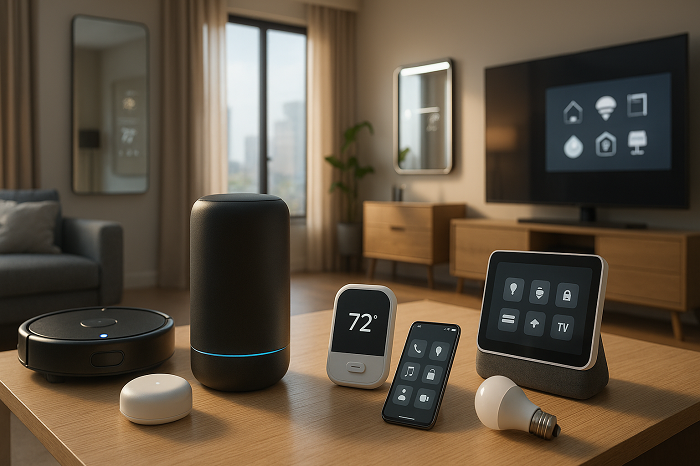
- Integration with Smart Home Ecosystems: Many devices can connect with other smart home technologies, such as ai battery management systems for homes or voice assistants, for a seamless safety network.
- Customizable Alerts: Users can set up who gets notified and how—via phone call, text, or app notification.
- Privacy Controls: Some systems use non-intrusive sensors or process data locally to protect user privacy.
These features make AI-powered fall detection a practical choice for independent living and peace of mind.
Applications and Use Cases for Smart Fall Detection
AI-driven fall detection is not limited to elderly care. Its applications extend to:
- Senior Living Communities: Providing round-the-clock monitoring without constant staff supervision.
- Home Care: Allowing family members to remotely monitor loved ones and receive instant alerts.
- Rehabilitation Centers: Tracking patient progress and ensuring safety during recovery.
- People with Disabilities: Supporting those with mobility or neurological challenges who are at higher risk of falls.
As more homes adopt smart devices, integrating AI fall detection with other AI-powered home automation gadgets can further enhance safety and convenience.
Choosing the Right AI Fall Detection Device
When selecting a smart fall detection solution, consider the following factors:
- Form Factor: Wearable devices are ideal for active users, while room-based sensors suit those who may forget to wear gadgets.
- Battery Life: Look for devices with long battery life or easy charging options to ensure continuous protection.
- Integration: If you already use smart home devices, check compatibility for a unified experience.
- Data Privacy: Review how the device handles personal data and whether it offers local processing or cloud storage.
- Support and Monitoring: Some systems offer professional monitoring for an added layer of security.
Comparing features and reading user reviews can help you find a device that fits your needs and lifestyle.
Future Trends in AI-Powered Fall Detection
The technology behind fall detection is evolving rapidly. Future developments may include:
- Improved Accuracy: Enhanced algorithms will further reduce false alarms and improve detection rates.
- Multi-Modal Sensing: Combining video, audio, and environmental sensors for a more holistic safety net.
- Predictive Analytics: Using AI to identify risk factors and predict falls before they happen.
- Seamless Integration: Tighter connections with other smart home systems, such as ai remote home monitoring and energy management, for a safer, smarter living environment.
As adoption grows, these advancements will make homes safer and more responsive to the needs of vulnerable individuals.
FAQ: AI Fall Detection Devices
What types of sensors are used in AI fall detection gadgets?
Most devices use a combination of accelerometers and gyroscopes to track movement, orientation, and sudden changes in speed. Some advanced systems also incorporate environmental sensors or cameras for added accuracy.
Can AI fall detection systems reduce false alarms?
Yes, the use of machine learning algorithms allows these gadgets to distinguish between real falls and everyday activities, significantly reducing the number of false alerts compared to traditional systems.
Are these devices suitable for people living alone?
Absolutely. AI-powered fall detection is especially valuable for individuals who live independently, as it can automatically alert caregivers or emergency services if a fall is detected, even if the person cannot call for help themselves.
How do these gadgets protect user privacy?
Many devices process data locally and avoid storing or transmitting sensitive information unless a fall is detected. Some also offer privacy settings to control what data is shared and with whom.
Can fall detection be integrated with other smart home systems?
Yes, many modern devices can connect with smart speakers, thermostats, and other home automation products, creating a comprehensive safety and convenience network.