
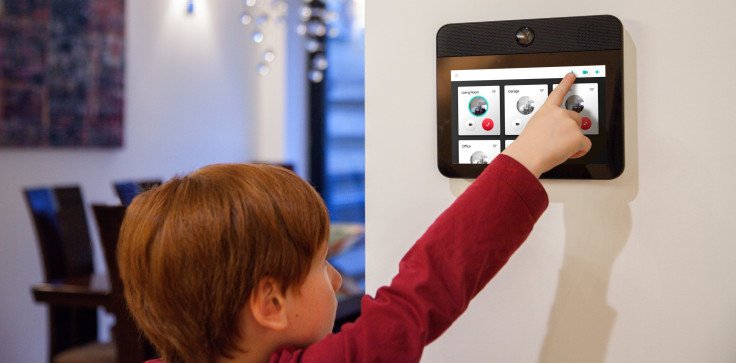
Artificial intelligence is transforming the way we interact with everyday devices. From smart speakers to intelligent thermostats, AI-powered gadgets are now common in homes and offices. But how do AI gadgets collect data, and what happens to the information they gather? Understanding these processes is crucial for anyone concerned about privacy, security, or simply curious about the technology behind their favorite smart devices.
In this article, we’ll break down the main ways AI-enabled products gather and use information, the types of data involved, and how this information powers smart features. We’ll also touch on privacy considerations and offer tips for making informed choices about your connected devices. For those interested in the technical side of automation, you can dive deeper into ai home automation programming basics to see how these systems are programmed and managed.
Key Methods AI Devices Use to Gather Information
When exploring how do AI gadgets collect data, it’s important to recognize the variety of sensors and technologies involved. Most smart devices rely on a combination of hardware and software to detect, record, and transmit information. Here are some of the most common methods:
- Microphones: Used in smart speakers and voice assistants to capture spoken commands, background noise, and even ambient sound patterns.
- Cameras: Found in security systems, smart doorbells, and some home assistants, cameras can recognize faces, detect motion, and monitor activity.
- Environmental Sensors: Thermostats, leak detectors, and air quality monitors use temperature, humidity, and other sensors to track changes in the environment.
- Connectivity Data: Devices often log network activity, device usage patterns, and interactions with other smart products.
- Location Services: Some gadgets use GPS or Wi-Fi triangulation to determine their position or the presence of users.
Each of these methods enables AI systems to learn about their surroundings and users, allowing for more personalized and efficient operation.
Types of Data Collected by Smart Devices
The range of information gathered by AI-powered products is broad. Here are the main categories:
- Audio Data: Voice commands, conversations, and background sounds are processed to improve speech recognition and context awareness.
- Visual Data: Images and video streams are analyzed for motion detection, facial recognition, and scene understanding.
- Usage Patterns: Devices monitor how and when they are used, which features are accessed, and for how long.
- Environmental Readings: Temperature, humidity, light levels, and other metrics help optimize device performance and user comfort.
- Device Interactions: Logs of connections with other gadgets, apps, or cloud services provide insight into user preferences and routines.
By combining these data types, AI systems can deliver smarter automation, predictive maintenance, and tailored user experiences.
How Collected Data Powers Smart Features
Once information is gathered, AI algorithms process it to enable a range of advanced features. Here’s how this data is typically used:
- Personalization: Devices learn user preferences, such as favorite music or preferred room temperature, and adjust automatically.
- Automation: Smart gadgets can trigger actions based on specific conditions, like turning off lights when no one is home or adjusting heating schedules.
- Predictive Analytics: By analyzing historical patterns, devices can anticipate needs—such as suggesting energy-saving tips or alerting users to potential issues. For more on this, see ai predictive analytics in smart homes.
- Security: AI can detect unusual activity, recognize authorized users, and send alerts in case of suspicious events.
- Maintenance: Some products monitor their own health and notify users when maintenance or updates are needed.
These capabilities rely on the continuous flow of accurate, up-to-date information from the device’s sensors and user interactions.
Privacy and Security: What Happens to Your Data?
With so much information being collected, privacy is a top concern for many users. Here’s what typically happens to the data gathered by smart devices:
- Local Processing: Some gadgets process data directly on the device, reducing the risk of exposure.
- Cloud Storage: Many products send information to secure cloud servers for advanced analysis and feature updates.
- Data Sharing: In some cases, anonymized data may be shared with third parties for research or product improvement.
- User Controls: Most reputable brands offer privacy settings, letting users review, delete, or limit the data collected.
It’s wise to review privacy policies and settings for each device. For those interested in compliance and regulations, the ai smart home regulatory compliance guide provides detailed information about legal requirements and best practices.

Balancing Convenience and Control
Smart devices offer impressive convenience, but it’s important to strike a balance between automation and privacy. Here are a few tips for managing your data:
- Regularly review device settings and privacy options.
- Choose products from brands with transparent data practices.
- Disable features you don’t use, such as always-on microphones or cameras.
- Keep device software up to date to protect against vulnerabilities.
- Consider devices that process data locally rather than relying solely on the cloud.
By staying informed, you can enjoy the benefits of AI-powered technology while keeping your information secure.
Real-World Examples of AI Data Collection
To better understand how these processes work in practice, let’s look at a few examples:
- Smart Speakers: Devices like Amazon Echo or Google Nest listen for wake words and process voice commands. They use cloud-based AI to interpret requests and improve accuracy over time.
- Leak Detectors: Products such as smart toilet leak detectors monitor water flow and humidity, alerting users to leaks and helping prevent costly damage.
- Thermostats: Intelligent thermostats track temperature, occupancy, and user adjustments to optimize heating and cooling schedules, saving energy and money.
For more inspiration, check out these practical smart home gadgets that use AI to enhance daily life.
FAQ
What types of sensors do AI gadgets use to collect information?
Most AI-powered devices use a mix of microphones, cameras, environmental sensors (like temperature and humidity), and connectivity modules. These sensors allow gadgets to detect sound, motion, environmental changes, and user interactions, forming the foundation for smart features.
Is the data collected by smart devices always sent to the cloud?
Not always. Some devices process information locally to enhance privacy and reduce latency. However, many products do send data to cloud servers for advanced analysis, updates, and integration with other services. Always check the privacy policy of your device for details.
How can I limit the amount of data my smart gadgets collect?
You can manage data collection by adjusting device settings, disabling unused features, and choosing products with strong privacy controls. Regularly reviewing permissions and opting out of unnecessary data sharing can also help protect your privacy.
Conclusion
Understanding how do AI gadgets collect data helps users make smarter decisions about the technology they bring into their homes. By learning about the sensors, data types, and processing methods involved, you can better appreciate the benefits and challenges of AI-powered devices. Remember to review privacy settings, choose reputable brands, and stay informed about the latest developments in smart home technology. For those interested in energy management, see ai battery management systems for homes and ai home automation for energy storage for more on how AI is shaping the future of efficient living.