The rise of AI caregiving robots at home is reshaping how families and healthcare providers support older adults. As populations age and the demand for personalized care increases, these intelligent machines are emerging as a practical solution for maintaining independence, safety, and well-being in familiar surroundings. By blending robotics, artificial intelligence, and smart home integration, these systems offer a new level of assistance for seniors and peace of mind for their loved ones.
This article explores the current landscape of home-based robotic care, the benefits and challenges, and what families should know before adopting this technology. For those interested in related innovations, our guide on AI remote home monitoring explains how smart systems can further enhance safety and oversight in residential settings.
The Evolution of Home-Based Robotic Care
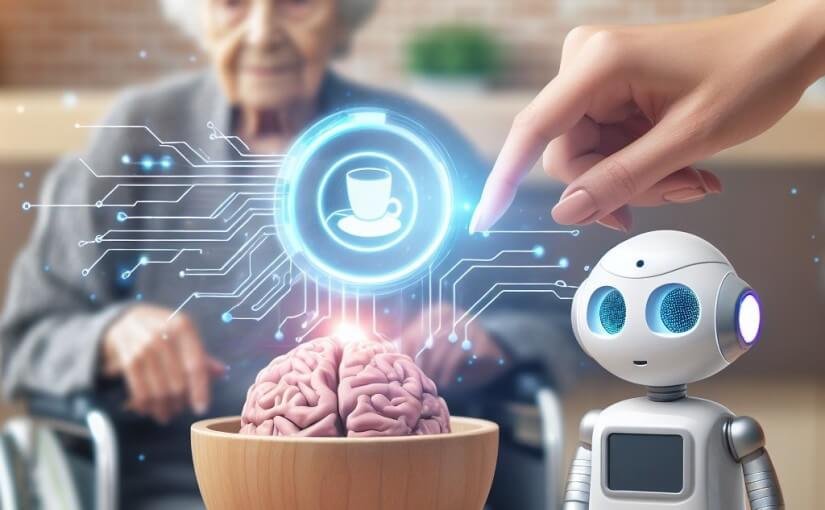
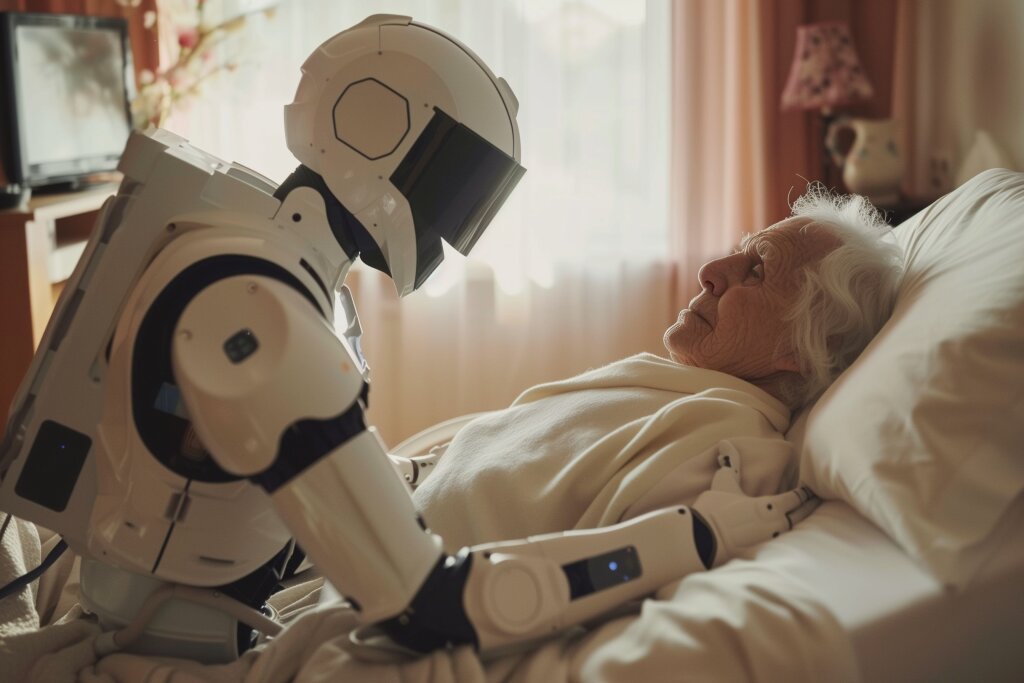
Technological advancements have made it possible for AI caregiving robots at home to transition from research labs to real-world households. Early models focused on basic mobility and reminders, but today’s systems leverage sophisticated sensors, machine learning, and natural language processing. These robots can assist with daily routines, monitor health metrics, and even provide companionship.
In countries like Japan, where the aging population is especially pronounced, robotic caregivers are already supplementing human staff in both facilities and private homes. Their ability to handle repetitive tasks and respond to voice commands is helping to address labor shortages and improve the quality of life for seniors.
Key Features of AI-Enabled Caregiving Robots
The latest generation of robotic caregivers is designed to support a wide range of needs. Some of the most impactful features include:
- Mobility Assistance: Helping users move safely around the home, reducing fall risk.
- Medication Reminders: Alerting seniors when it’s time to take medications or attend appointments.
- Health Monitoring: Tracking vital signs, sleep patterns, and activity levels to detect changes early.
- Emergency Response: Automatically contacting caregivers or emergency services if a problem is detected.
- Social Engagement: Providing conversation, games, and reminders to stay connected with family and friends.

How AI Caregiving Robots Enhance Independence
One of the primary advantages of deploying AI caregiving robots at home is the ability to extend independent living for seniors. These systems can adapt to individual routines, learn preferences, and provide reminders or prompts that help users maintain autonomy. For example, a robot might gently remind someone to hydrate, guide them through light exercises, or suggest a video call with family.
Integration with other smart home technologies—such as AI battery management systems for homes or occupancy detection—can further streamline daily life. This holistic approach not only supports the physical needs of older adults but also addresses emotional well-being by reducing feelings of isolation.
Challenges and Considerations for Families
While the benefits are clear, there are important factors to weigh before bringing a caregiving robot into the home. Privacy and data security are top concerns, as these devices often collect sensitive health and behavioral information. It’s important to choose systems with robust encryption and transparent data policies.
Another consideration is the learning curve for both seniors and their families. Some users may need time to adjust to interacting with a robot, especially if they are not familiar with digital technology. Ongoing support and training can help ease this transition.
Finally, cost and maintenance should be evaluated. While prices are gradually decreasing, advanced robots remain a significant investment. Families should factor in not only the initial purchase but also software updates, repairs, and potential subscription fees.
Real-World Applications and Success Stories
Across the globe, families are already seeing positive results from adopting robotic caregivers. In some cases, these systems have allowed seniors to remain in their own homes longer, delaying or avoiding the need for assisted living. Others have reported improved medication adherence, reduced hospitalizations, and greater peace of mind for remote family members.
For a deeper look at how these technologies are making a difference, this Forbes article on AI companions in elder care highlights real-world examples of robots combating loneliness, boosting safety, and scaling support for aging populations.
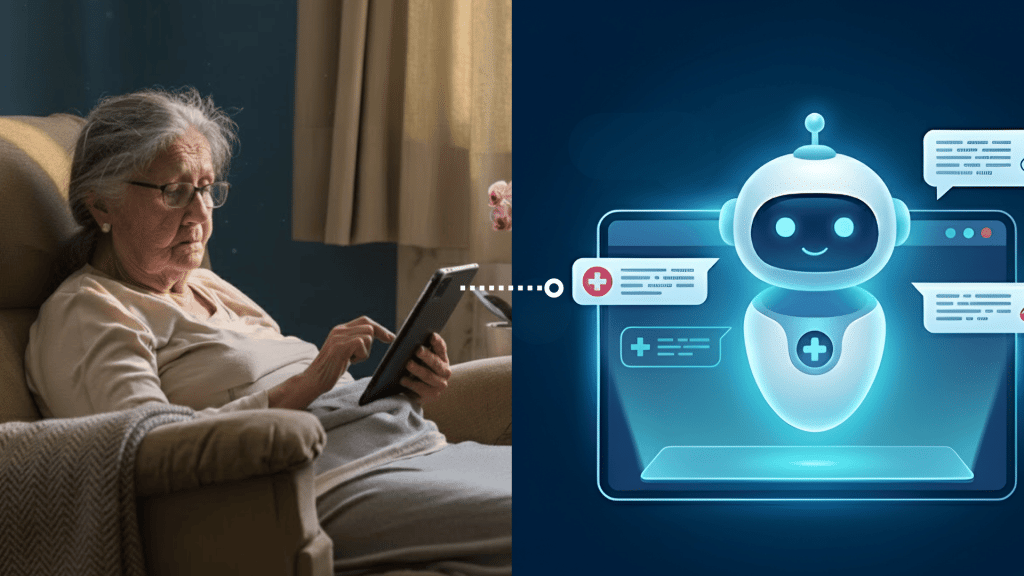
Integrating AI Robots with Smart Home Ecosystems
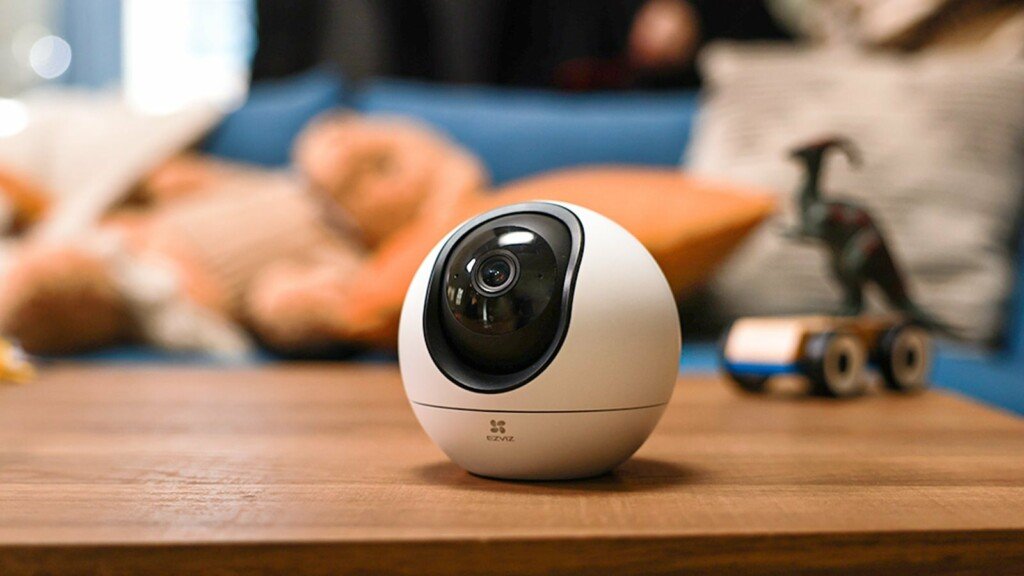
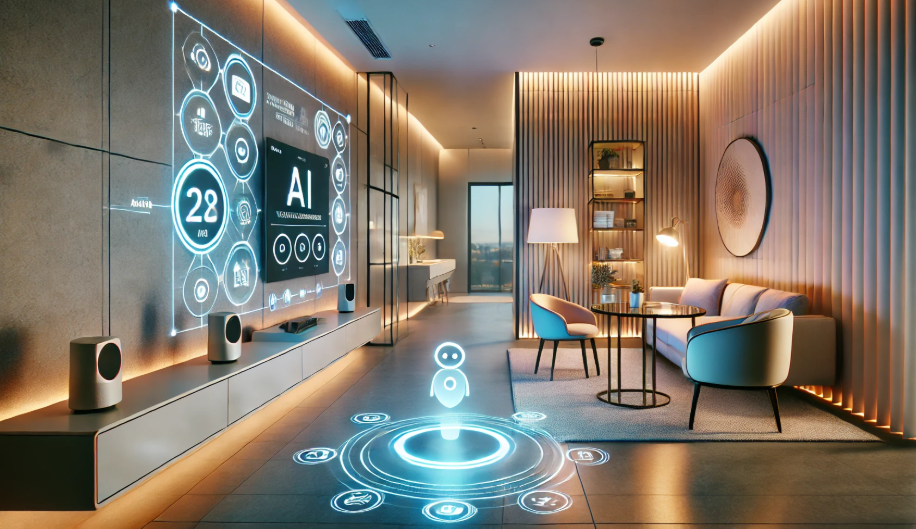
The effectiveness of robotic caregivers is amplified when they are part of a broader smart home environment. By connecting with devices like smart thermostats, lighting, and security cameras, these robots can create a safer and more comfortable living space. For those interested in further upgrades, exploring AI smart home project ideas can provide inspiration for customizing support to meet unique needs.
Additionally, features such as voice control and remote monitoring allow family members to check in and make adjustments from anywhere, offering reassurance and flexibility.
Looking Ahead: The Future of AI in Elderly Care
As artificial intelligence continues to advance, the capabilities of home-based caregiving robots will only expand. Future developments may include more natural conversation abilities, predictive analytics for health events, and even integration with telemedicine platforms. The goal is to create a seamless support system that adapts to each individual’s evolving needs.
For those considering a transition to greener living, combining robotic care with AI green smart homes can further enhance sustainability and efficiency.
FAQ
What tasks can AI caregiving robots perform at home?
These robots can assist with daily activities such as mobility support, medication reminders, health monitoring, and emergency alerts. Many also offer social interaction, entertainment, and integration with other smart home devices for a comprehensive care experience.
Are AI caregiving robots safe and secure for elderly users?
Most modern systems prioritize safety with features like obstacle detection, fall prevention, and emergency response. However, families should carefully review privacy policies and ensure data is encrypted to protect sensitive health information.
How do I choose the right caregiving robot for my home?
Consider the specific needs of the user, compatibility with existing smart home devices, ease of use, and ongoing support. It’s also wise to evaluate the manufacturer’s reputation, software update policies, and total cost of ownership.