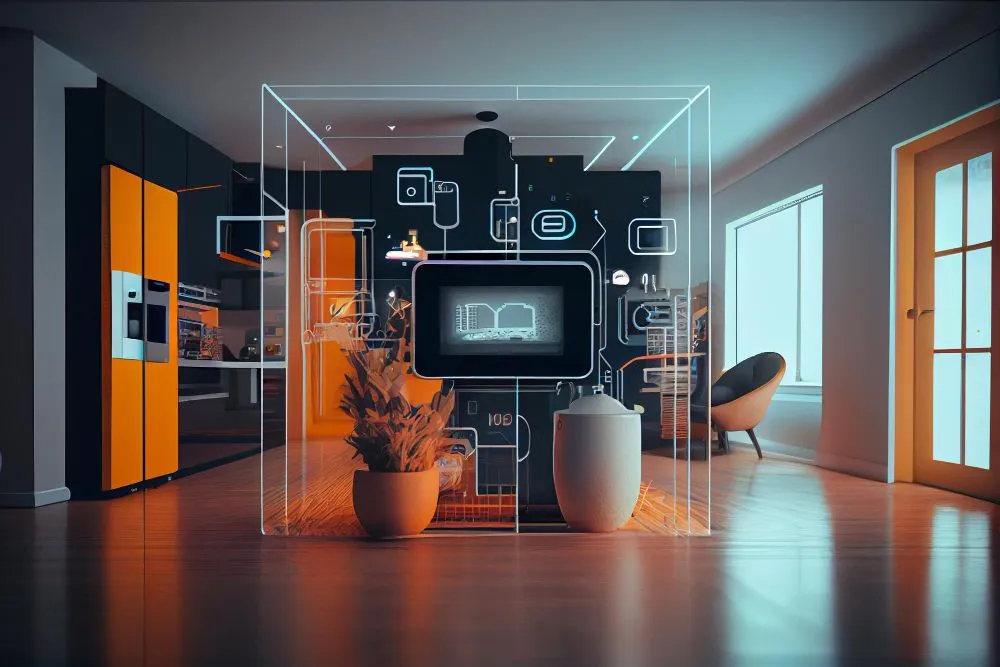

AI in smart home design is transforming the way we experience our living spaces. By integrating artificial intelligence into home automation, homeowners can enjoy greater convenience, energy efficiency, and security. As technology advances, smart homes are becoming more intuitive, adapting to the habits and preferences of those who live in them. This guide explores how intelligent systems are shaping the future of residential environments, highlighting practical benefits and real-world applications.
Whether you’re considering a new build, renovating, or simply upgrading your existing setup, understanding how AI-driven solutions work is essential. From voice assistants and automated lighting to predictive maintenance and security enhancements, the possibilities are expanding rapidly. If you’re interested in exploring related innovations, you might find our article on ai battery management systems for homes helpful for optimizing energy use in your smart home.
How Artificial Intelligence Powers Modern Smart Homes
At the core of today’s smart homes are systems that use machine learning, natural language processing, and data analytics to automate and optimize daily routines. AI in smart home design enables devices to learn from user behavior, predict needs, and make intelligent decisions. For example, thermostats can adjust temperatures based on occupancy patterns, while lighting systems adapt to natural daylight and user preferences.
Key components of AI-powered homes include:
- Voice Assistants: Devices like Amazon Alexa and Google Assistant use AI to interpret commands, control appliances, and provide information.
- Predictive Automation: Systems anticipate actions, such as preheating ovens before meal times or adjusting blinds based on sunlight.
- Energy Management: AI analyzes usage data to optimize power consumption, reducing costs and environmental impact.
- Security Monitoring: Smart cameras and sensors detect unusual activity, sending alerts or taking action automatically.
These technologies work together to create a seamless, responsive living environment that adapts to the unique needs of each household.
Benefits of Integrating AI Into Home Environments
Incorporating intelligent systems into home design offers a range of advantages beyond simple automation. Some of the most notable benefits include:
- Personalization: AI learns routines, preferences, and schedules, tailoring settings for comfort and convenience.
- Enhanced Security: Advanced algorithms recognize faces, detect suspicious behavior, and automate emergency responses.
- Energy Efficiency: Smart systems monitor and adjust usage, helping homeowners save on utility bills and reduce their carbon footprint.
- Accessibility: Voice and gesture controls make it easier for people with disabilities or limited mobility to interact with their environment.
- Remote Management: Homeowners can monitor and control systems from anywhere using smartphones or web interfaces.
For those interested in sustainable living, our resource on ai green smart homes with ai delves deeper into eco-friendly solutions powered by artificial intelligence.
Popular Applications and Real-World Examples
Smart home technology is no longer limited to luxury properties or tech enthusiasts. Today, a wide range of products and solutions are available for every budget and lifestyle. Some common applications include:
- Lighting Control: Automated lighting systems adjust brightness and color temperature based on time of day or activity.
- Climate Management: AI-driven thermostats and air quality monitors maintain optimal comfort while saving energy.
- Home Security: Intelligent doorbells, cameras, and sensors provide real-time alerts and remote access.
- Entertainment: Voice-activated speakers and smart projectors create immersive experiences tailored to user preferences.
- Appliance Automation: Kitchen and laundry appliances can be scheduled or controlled remotely, streamlining daily chores.
For students and DIY enthusiasts, exploring ai smart home project ideas can be a great way to learn about practical implementations and experiment with new technologies.
Challenges and Considerations When Adopting AI-Driven Solutions
While the advantages of intelligent home systems are clear, there are important factors to consider before making the leap:
- Privacy and Data Security: AI devices collect and process personal information, making robust security measures essential.
- Compatibility: Not all devices and platforms work seamlessly together. Researching interoperability is key to a smooth experience.
- Cost: Initial investments can be significant, though long-term savings and convenience often offset these expenses.
- Learning Curve: Some users may find it challenging to set up and manage advanced systems without technical support.
- Reliability: Dependence on internet connectivity and software updates can affect system performance.
For those living in apartments or multi-unit buildings, our ai home automation for apartments guide offers tailored advice on integrating smart technologies in smaller spaces.

Future Trends in Intelligent Home Design
The landscape of connected living spaces is evolving rapidly. As artificial intelligence becomes more sophisticated, several trends are emerging:
- Greater Interoperability: Open standards and improved integration will make it easier to connect devices from different manufacturers.
- Context-Aware Automation: Systems will use more data sources—such as weather, traffic, and user health—to make smarter decisions.
- Proactive Maintenance: AI will predict equipment failures and schedule repairs before issues arise, reducing downtime and costs.
- Personal Health Monitoring: Smart homes will increasingly support wellness, tracking sleep, activity, and even air quality for healthier living.
- Decentralized Control: Edge computing will allow more processing to happen locally, improving privacy and reducing reliance on cloud services.
To understand how these advancements are being adopted, resources like how AI works with smart homes provide in-depth explanations and case studies from industry experts.
FAQ
How does artificial intelligence improve home security?
AI enhances home security by analyzing data from cameras, sensors, and connected devices to detect unusual activity. It can recognize faces, distinguish between family members and strangers, and send instant alerts to homeowners or authorities. Automated responses, such as locking doors or activating alarms, help prevent unauthorized access and improve overall safety.
Can AI-powered smart homes help save energy?
Yes, intelligent systems optimize energy use by learning occupancy patterns and adjusting lighting, heating, and cooling accordingly. They can also identify inefficient appliances and suggest changes to reduce consumption. Over time, these adjustments lead to lower utility bills and a smaller environmental footprint.
What should I consider before installing AI-driven home technology?
Before adopting intelligent systems, evaluate your privacy needs, budget, and compatibility with existing devices. Ensure that security measures are in place to protect personal data, and consider the long-term support and reliability of the products you choose. Researching user reviews and consulting with professionals can help you make informed decisions.