Smart lighting has transformed the way we illuminate our homes and workplaces. By integrating advanced technology into everyday lighting, these systems offer convenience, energy efficiency, and customization that traditional bulbs simply can’t match. Understanding how smart lighting works is essential for anyone considering an upgrade to their living space or seeking ways to make their home more intelligent and responsive.
At its core, smart lighting combines wireless connectivity, automation, and user-friendly controls to deliver a seamless lighting experience. Whether you’re interested in voice-activated lights, remote control from your phone, or automated schedules that adapt to your lifestyle, modern lighting solutions provide a range of features to suit every need. For those looking to dive deeper into the technical side of home automation, exploring ai home automation programming basics can offer valuable insights into how these systems are built and managed.
Understanding the Basics of Smart Lighting
Modern lighting systems go far beyond simply turning lights on and off. They use a combination of hardware and software to provide advanced control and automation. The essential components include:
- Smart bulbs or fixtures with built-in wireless receivers
- Wireless communication protocols such as Wi-Fi, Zigbee, or Bluetooth
- Central hubs or bridges (sometimes optional) to coordinate multiple devices
- Mobile apps or smart home platforms for user control
- Integration with voice assistants like Alexa, Google Assistant, or Siri
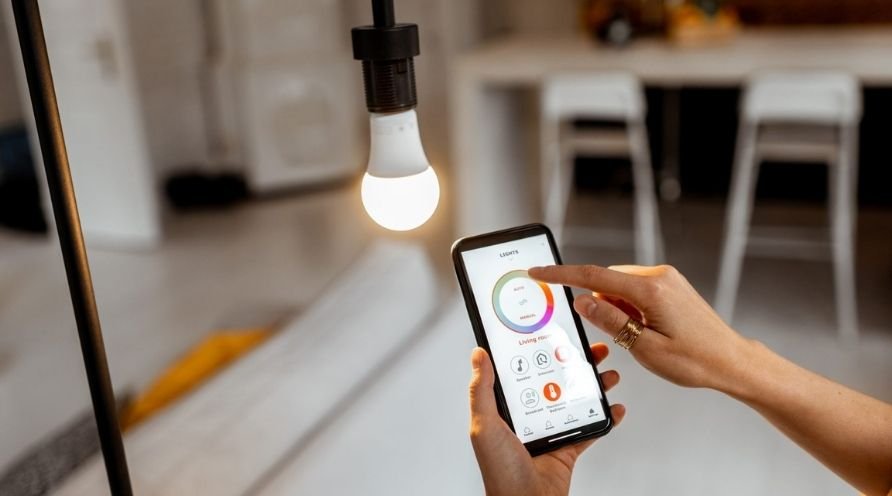
When you send a command—whether by app, voice, or automation—the system transmits a signal to the bulb or fixture, which responds accordingly. This enables a wide range of features, from dimming and color changes to scheduling and scene creation.
Key Technologies Behind Connected Lighting
To fully appreciate how smart lighting works, it’s important to understand the underlying technologies that enable these systems:
- Wireless Protocols: Most smart lights use Wi-Fi, Zigbee, or Bluetooth to communicate. Wi-Fi offers direct internet connectivity, Zigbee creates a mesh network for reliable coverage, and Bluetooth is ideal for short-range control.
- Hubs and Bridges: Some brands require a central hub (like the Philips Hue Bridge) to connect multiple lights and enable advanced features. Others connect directly to your home network.
- Cloud Integration: Many systems use cloud services to enable remote access, automation, and integration with other smart devices.
- AI and Automation: Advanced lighting setups can use artificial intelligence to learn your habits, optimize energy use, and even respond to environmental sensors.
For a closer look at the networking side, the ai mesh networks for homes guide explains how mesh technology helps smart devices communicate efficiently throughout a house.
Features and Benefits of Intelligent Lighting Systems
Connected lighting offers a host of advantages over traditional solutions. Some of the most popular features include:
- Remote Control: Adjust lights from anywhere using your smartphone or tablet.
- Voice Activation: Use voice commands to turn lights on/off, change colors, or set scenes.
- Automation: Schedule lights to turn on at sunset, wake you up gently, or simulate occupancy when you’re away.
- Energy Efficiency: Smart LEDs use less power and can be programmed to reduce unnecessary usage.
- Customization: Choose from millions of colors, set brightness levels, and create personalized lighting scenes for different moods or activities.
For a detailed overview of the advantages, see this comprehensive guide to the benefits of smart lights for homes.
How Automation and AI Enhance Lighting Control
One of the most exciting aspects of modern lighting is the integration of artificial intelligence and automation. These technologies allow your lights to adapt to your routines and preferences, making your environment more comfortable and efficient. For example:
- Lights can automatically dim in the evening to help you wind down.
- Motion sensors can trigger lights when you enter a room and turn them off when you leave.
- Systems can adjust brightness based on natural light levels to save energy.
- Integration with other smart home devices allows for complex automation, such as turning off all lights when you lock the front door.
Those interested in deeper analytics and optimization can explore resources like the ai smart home analytics guide, which covers how data-driven insights can further enhance your smart home experience.
Choosing the Right Smart Lighting Setup
Selecting the best system depends on your needs, budget, and the size of your space. Here are some factors to consider:
- Compatibility: Ensure the bulbs or fixtures work with your preferred smart home platform (Alexa, Google Home, Apple HomeKit, etc.).
- Connectivity: Decide if you want Wi-Fi-based lights for direct control or a hub-based system for larger installations.
- Features: Look for options like color changing, dimming, scheduling, and integration with other smart devices.
- Expandability: Consider whether you might want to add more lights or devices in the future.
Starter kits are a popular way to begin, as they typically include a hub and several bulbs. Individual smart bulbs, like the Kasa Smart Light, are ideal for smaller setups or those who want to experiment before committing to a full system.
Installation and Setup: What to Expect
Most modern lighting products are designed for easy installation. In many cases, you simply replace your existing bulb with a smart one, download the manufacturer’s app, and follow the pairing instructions. Some systems may require plugging in a hub or bridge to your router. Once connected, you can begin customizing your lighting through the app or by linking to your voice assistant.
For those interested in integrating lighting with broader home automation, learning about ai home automation for energy storage can help you maximize efficiency and sustainability.
Common Questions About Connected Lighting
FAQ
- Can I use smart bulbs with my existing light fixtures?
- Yes, most smart bulbs are designed to fit standard sockets. Simply replace your old bulb with a smart one and follow the setup instructions. Always check compatibility with dimmer switches, as not all smart bulbs work with traditional dimmers.
- Do I need a hub to use smart lighting?
- Not always. Some brands require a central hub or bridge, while others connect directly to your Wi-Fi network. Hub-based systems are often more reliable for larger homes or when using many devices.
- Is smart lighting energy efficient?
- Absolutely. Most smart bulbs use LED technology, which consumes significantly less power than incandescent bulbs. Automation features can further reduce energy use by ensuring lights are only on when needed.
Final Thoughts on Upgrading Your Home Lighting
Embracing smart lighting is a practical step toward a more comfortable, efficient, and customizable living space. With a wide range of products and features available, it’s easier than ever to find a solution that fits your needs. By understanding the technology, exploring automation options, and choosing compatible devices, you can enjoy the full benefits of intelligent lighting in your home.