As the global population ages, the demand for innovative solutions to support older adults is increasing rapidly. Human centered AI elderly care is emerging as a transformative approach, focusing on designing artificial intelligence technologies that prioritize the needs, preferences, and dignity of seniors. By integrating empathy, accessibility, and ethical considerations, these intelligent systems aim to enhance quality of life, promote independence, and support caregivers in ways that traditional tools cannot.
Developers and care providers are now collaborating to create AI-driven solutions that are not only technologically advanced but also deeply attuned to the unique challenges faced by older adults. From smart home devices to health monitoring and social engagement tools, the landscape of elder support is evolving with a strong emphasis on user-centric design. For those interested in the technical foundations of these systems, exploring ai home automation programming basics can provide valuable context for how these technologies are built and integrated into daily life.

Principles of Human-Focused AI in Senior Support
Placing the individual at the heart of AI development is essential for creating meaningful and effective solutions in the realm of elder care. Human centered AI elderly care prioritizes:
- Empathy and Respect: Systems are designed to understand and honor the preferences, routines, and privacy of older adults.
- Accessibility: Interfaces and interactions are simplified, with clear language, large buttons, and voice controls to accommodate physical or cognitive limitations.
- Ethical Considerations: Data privacy, informed consent, and transparency are fundamental, ensuring that users and their families trust the technology they rely on.
- Collaboration: Developers, caregivers, and seniors work together throughout the design process, resulting in solutions that genuinely address real-world needs.
By adhering to these principles, AI-powered tools can foster autonomy and dignity, rather than simply automating tasks or collecting data.
Key Applications of AI for Older Adults
Several practical applications are reshaping the way seniors live and receive care. These innovations are grounded in the core values of human-centric design:
- Remote Health Monitoring: Wearable devices and smart sensors track vital signs, medication adherence, and activity levels, alerting caregivers to potential issues before they escalate.
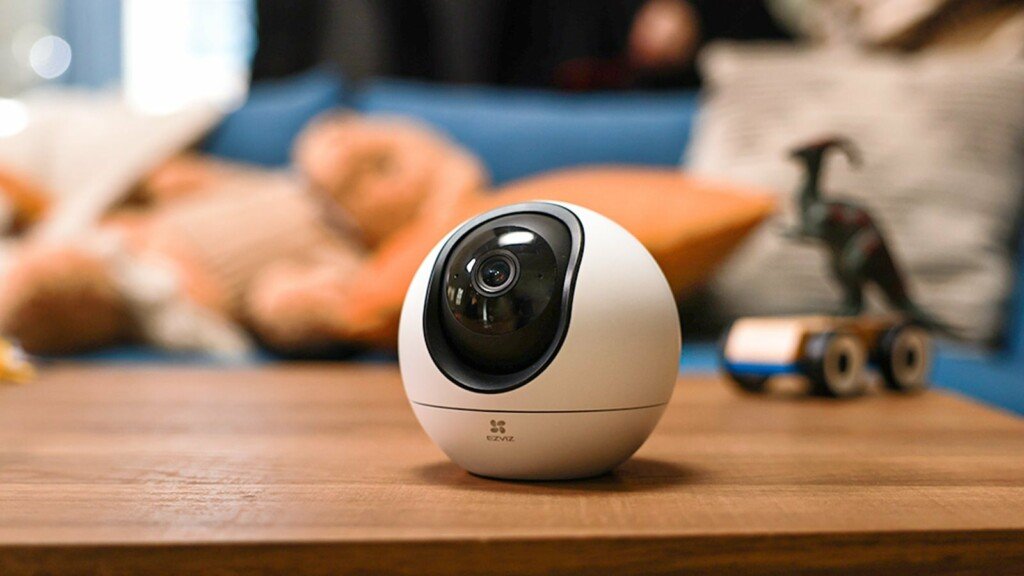
- Fall Detection and Prevention: AI-enabled cameras and motion sensors can identify unusual movements or inactivity, providing rapid alerts and reducing the risk of serious injury.
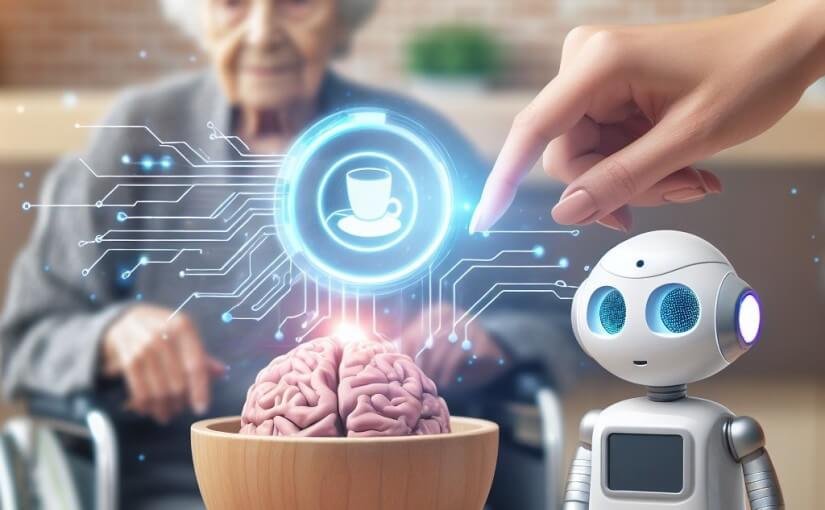
- Personalized Assistance: Virtual assistants and chatbots offer reminders, companionship, and help with daily tasks, tailored to each individual’s preferences and routines.
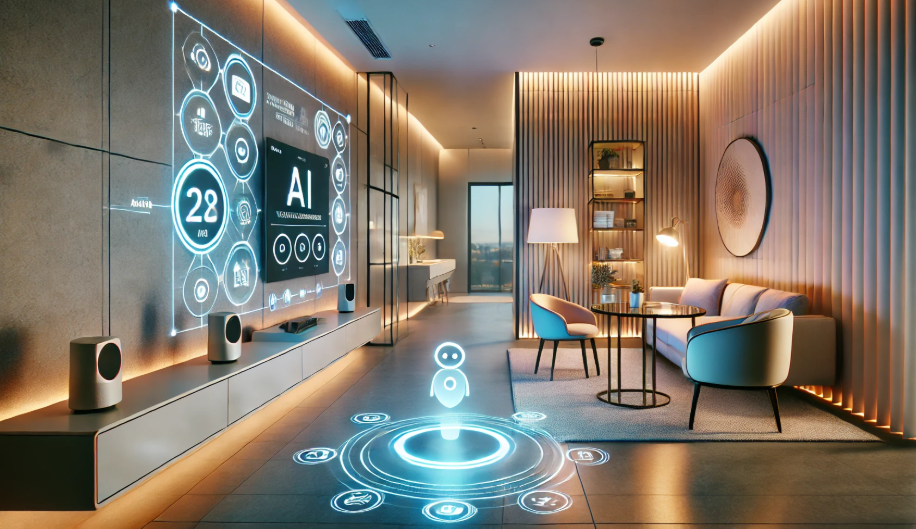
- Smart Home Integration: Automated lighting, temperature control, and security systems are adapted for ease of use, supporting independent living while maintaining safety.
For a deeper dive into the technical side of these systems, resources like ai predictive analytics in smart homes discuss how data-driven insights can further enhance daily living for seniors.

Challenges in Implementing Person-Centered AI Solutions
While the benefits are clear, several challenges must be addressed to ensure that AI truly serves the interests of older adults:
- Digital Literacy: Many seniors may have limited experience with technology, requiring intuitive design and ongoing support.
- Privacy Concerns: Collecting health and behavioral data raises important questions about who has access and how information is used.
- Bias and Fairness: AI systems must be trained on diverse datasets to avoid reinforcing stereotypes or excluding certain groups.
- Integration with Existing Care: Effective solutions should complement, not replace, human caregivers and established routines.
Addressing these issues requires a collaborative approach, involving not only engineers and designers but also healthcare professionals, families, and the seniors themselves.
Designing with Empathy: Best Practices for AI in Elder Care
To create truly effective and compassionate AI tools for older adults, consider the following best practices:
- Engage Users Early: Involve seniors and caregivers in the design process from the outset, gathering feedback and iterating based on real-world experiences.
- Prioritize Simplicity: Minimize complexity by using clear language, visual cues, and straightforward navigation.
- Ensure Transparency: Clearly communicate how data is collected, stored, and used, and provide easy-to-understand consent options.
- Support Customization: Allow users to adjust settings and preferences, ensuring that the technology adapts to their unique needs.
- Test for Accessibility: Regularly evaluate products with users who have varying levels of ability, making adjustments as needed.
Following these guidelines helps ensure that AI-driven solutions are not only functional but also respectful and empowering for the people they serve.

Future Trends in AI-Driven Senior Support
The future of human centered AI elderly care is promising, with several trends shaping the next generation of solutions:
- Personalized Health Insights: Advanced analytics will enable even more tailored recommendations for nutrition, exercise, and medication management.
- Greater Social Connectivity: AI-powered platforms will help combat loneliness by facilitating communication with family, friends, and support networks.
- Integration with Smart Home Ecosystems: Seamless connections between devices will provide holistic support, from safety monitoring to entertainment and beyond.
- Voice and Gesture Interfaces: Natural, intuitive controls will make technology more accessible to those with limited mobility or vision.
For those interested in regulatory considerations, the ai smart home regulatory compliance guide offers insights into ensuring that new technologies meet legal and ethical standards.
Industry experts are also exploring how AI is shaping the future of assisted living and memory care, highlighting the ongoing evolution of best practices and the critical role of empathy in design.
FAQ: Human-Centric AI for Elderly Wellbeing
What makes AI solutions truly human-centered for older adults?
Human-centric AI for seniors is designed with empathy, accessibility, and respect at its core. This means involving users in the design process, prioritizing privacy, and ensuring that systems are easy to use and adapt to individual needs. The goal is to enhance quality of life, not just automate tasks.
How can families ensure the privacy of elderly loved ones when using AI devices?
Families should look for AI products that clearly explain their data policies, offer transparent consent options, and allow users to control what information is shared. Regularly reviewing device settings and staying informed about updates can help maintain privacy and security.
Are AI-powered tools meant to replace human caregivers?
No, the intention is to complement and support human caregivers, not replace them. AI can handle routine monitoring and provide timely alerts, freeing up caregivers to focus on personal interaction and emotional support.
Conclusion
Designing AI for elderly support with a human focus is not just a technological challenge—it is a commitment to dignity, autonomy, and wellbeing. By centering the voices and experiences of older adults, the industry can deliver solutions that are both innovative and compassionate. As the field continues to evolve, ongoing collaboration and ethical vigilance will ensure that technology remains a force for good in the lives of seniors and their families.