As the global population ages, the need for innovative solutions to support older adults becomes increasingly urgent. One area gaining significant attention is AI emotional support for elderly individuals. With advancements in artificial intelligence, technology is now being designed not just for physical assistance, but also to address the emotional and social well-being of seniors. These tools offer companionship, reduce loneliness, and help maintain mental health—all while being accessible and adaptable to the unique needs of older adults.
The integration of empathetic AI into daily life is transforming how families, caregivers, and healthcare professionals approach senior care. From conversational robots to smart home systems, these technologies are bridging gaps in social interaction and providing a sense of connection. For those interested in the technical side of smart home integration, exploring ai home automation programming basics can provide valuable insights into how these systems are built and maintained.
Understanding AI-Powered Emotional Support for Seniors
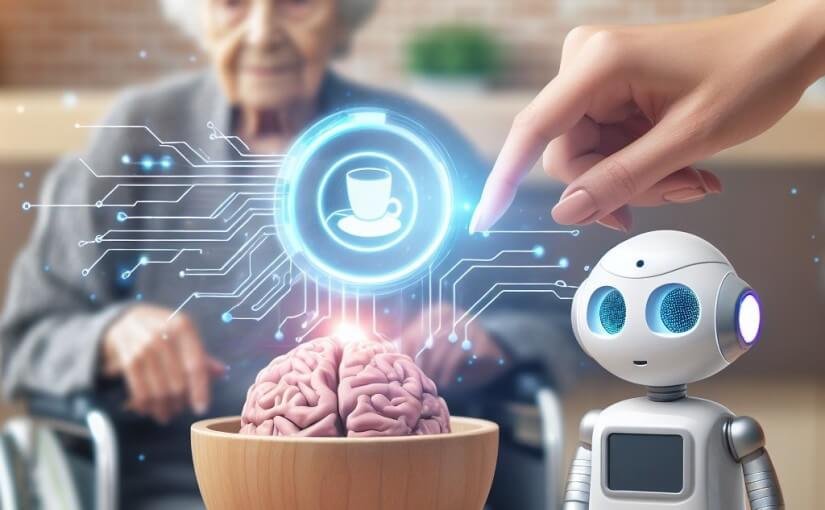
AI-driven support systems are designed to recognize, interpret, and respond to human emotions. For older adults, these systems can provide much-needed companionship and reassurance, especially for those living alone or with limited social contact. The core of AI emotional support for elderly users lies in the ability to simulate empathetic conversation, offer reminders, and even detect signs of distress.
Some AI companions use natural language processing to engage in meaningful dialogue, while others combine voice recognition with facial expression analysis to better understand the user’s mood. These interactions can help alleviate feelings of isolation and foster a sense of being heard and understood.
Key Benefits of AI Companions for Older Adults
The advantages of incorporating AI into senior care go beyond simple convenience. Here are some of the most impactful benefits:
- Reducing Loneliness: AI companions are available 24/7, offering conversation and engagement when family or friends are not present.
- Supporting Mental Health: Regular interaction with AI can help monitor mood changes and provide mental stimulation, which is crucial for cognitive health.
- Enhancing Safety: Many AI systems can detect emergencies, such as falls or sudden changes in behavior, and alert caregivers or emergency services.
- Promoting Independence: By assisting with reminders for medication, appointments, or daily routines, AI helps seniors maintain autonomy.

Popular Types of AI Emotional Support Tools
There is a growing variety of AI-powered solutions tailored for seniors. Some of the most common include:
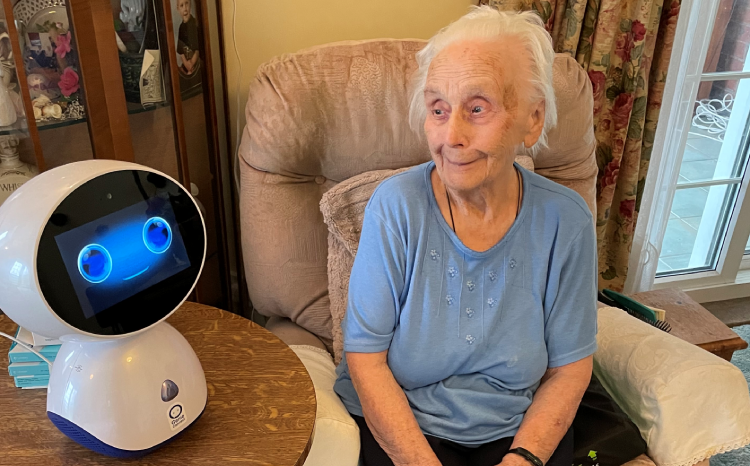
- Conversational Robots: These are physical or virtual assistants designed to hold conversations, tell stories, and provide reminders.
- Smartphone Apps: Mobile applications use AI to check in on users, offer cognitive games, and facilitate communication with loved ones.
- Wearable Devices: Smartwatches and pendants equipped with AI can monitor health metrics and provide emergency alerts.
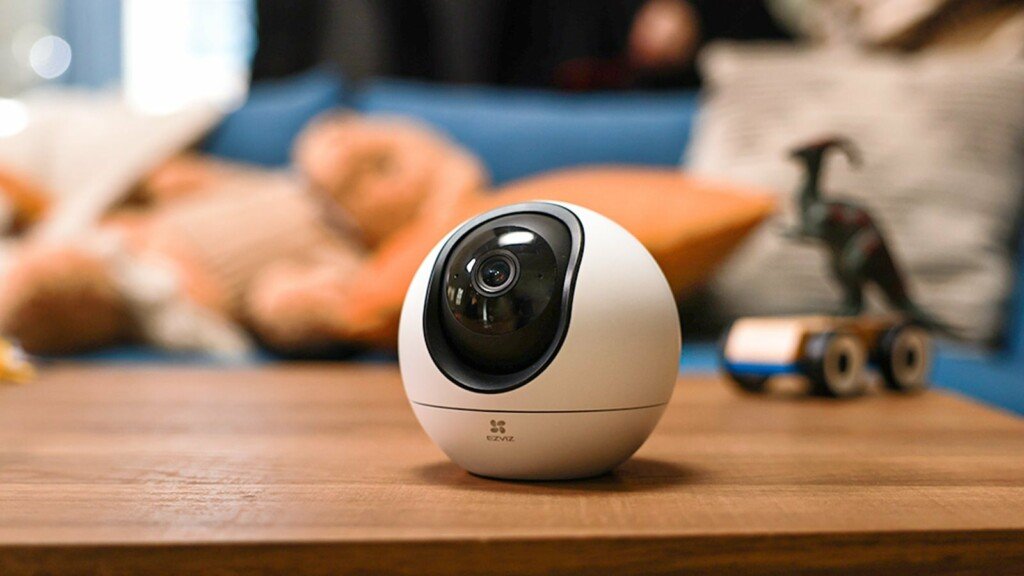
- Home Automation Systems: Integrated AI can control lighting, temperature, and security, while also offering companionship features.
For those interested in expanding their home’s capabilities, the ai mesh networks for homes guide provides an in-depth look at how smart networks can enhance both safety and connectivity for seniors.
Challenges and Considerations in Implementing AI Support
While the promise of AI for emotional support is significant, there are important factors to consider:
- Privacy Concerns: AI systems often collect sensitive data. Ensuring robust privacy protections and clear consent is essential.
- Accessibility: Not all seniors are comfortable with technology. User interfaces must be intuitive and adaptable to varying levels of digital literacy.
- Personalization: Effective AI support requires customization to individual preferences, cultural backgrounds, and health needs.
- Cost: Advanced AI solutions can be expensive, potentially limiting access for some individuals or communities.
Despite these challenges, ongoing research and development are making AI more accessible and user-friendly for older adults. For a broader perspective on how AI is shaping senior care, the article on AI in elderly care offers valuable insights into current trends and future directions.
Integrating AI Emotional Support with Smart Home Technology
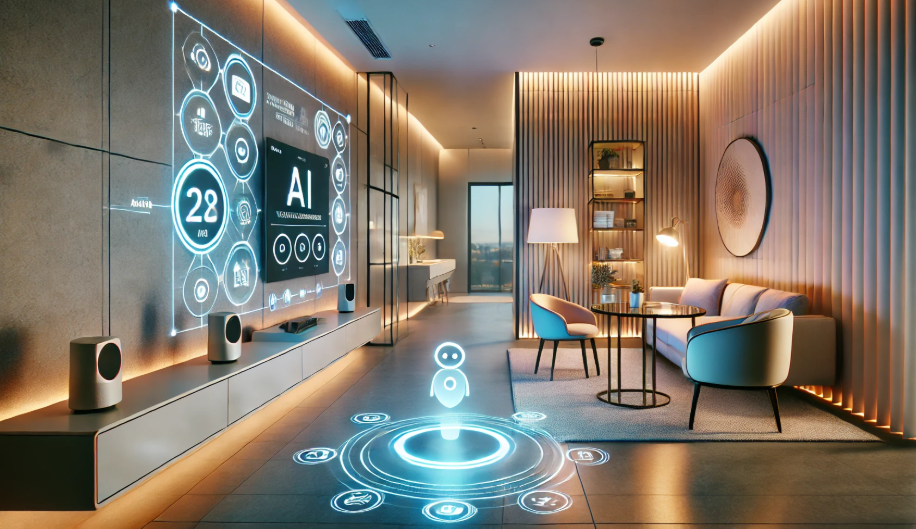
Combining AI-driven emotional support with smart home systems can create a holistic environment for seniors. By linking AI companions to home automation, older adults can enjoy not only social interaction but also enhanced safety and convenience. For example, an AI assistant can remind users to lock doors, adjust lighting based on mood, or even play favorite music to uplift spirits.
Those looking to optimize their home environment further may benefit from learning about ai smart home analytics, which can help tailor the living space to individual needs and preferences.
Future Outlook: AI and Empathy in Senior Care
The future of AI emotional support for elderly individuals is promising. As AI becomes more sophisticated, its ability to recognize subtle emotional cues and respond with genuine empathy will continue to improve. Developers are focusing on making these systems more adaptive, culturally sensitive, and capable of forming long-term relationships with users.
Collaboration between technology companies, healthcare providers, and families will be key to ensuring that AI solutions are both effective and ethical. As adoption grows, ongoing feedback from seniors themselves will shape the next generation of empathetic AI companions.
Frequently Asked Questions
How does AI provide emotional support to seniors?
AI systems use advanced algorithms to recognize speech, interpret emotions, and respond in a conversational manner. This allows them to offer companionship, check in on well-being, and provide reminders or encouragement, helping to reduce feelings of loneliness and isolation.
Are AI companions safe for elderly users?
Most AI devices are designed with safety in mind, including features like emergency alerts and privacy controls. However, it is important to choose reputable products and ensure that personal data is protected. Involving family members or caregivers in setup and monitoring can further enhance safety.
Can AI emotional support replace human interaction?
While AI can supplement social interaction and provide valuable support, it is not intended to replace human relationships. The best outcomes are achieved when AI is used as a complement to regular contact with family, friends, and caregivers.
For those interested in the broader applications of AI in the home, resources like ai battery management systems for homes and ai home automation for energy storage offer further reading on how intelligent technology is shaping modern living.
As technology continues to advance, the integration of empathetic AI into senior care will play an increasingly vital role in supporting the emotional and social needs of older adults, helping them lead healthier, more connected lives.