Human centric lighting explained is a concept that’s transforming how we think about indoor environments. This approach to illumination goes beyond simply lighting a space—it’s about creating conditions that support our health, mood, and productivity by mimicking the natural patterns of daylight. As technology advances, the integration of smart lighting systems into homes and workplaces is making it easier than ever to tailor light to our biological needs.
Understanding how light affects our bodies is crucial. The right lighting can improve sleep, boost concentration, and even support emotional well-being. By leveraging smart controls and tunable LEDs, modern lighting solutions can adapt throughout the day to align with our natural circadian rhythms. This article explores the science, benefits, and practical steps to bring these innovations into your daily life.
If you’re interested in where this technology is heading, you might enjoy our in-depth look at the future of smart lighting technology and how it’s shaping the next generation of connected homes.
What Is Human Centric Lighting?
At its core, human centric lighting (HCL) is about designing light to support human biology and well-being. Unlike traditional lighting, which focuses mainly on visibility, HCL systems adjust brightness and color temperature to reflect the natural changes in daylight. This can mean cooler, brighter light in the morning to promote alertness, and warmer, softer tones in the evening to encourage relaxation.
The science behind this approach is rooted in our circadian rhythms—internal clocks that regulate sleep, hormone production, and other bodily functions. Exposure to the right kind of light at the right time helps keep these rhythms in sync, leading to better sleep quality, improved mood, and increased productivity.
How Technology Powers Wellness Lighting
Advancements in LED technology and smart controls have made it possible to create dynamic lighting environments that change throughout the day. These systems can be programmed or automated to shift color and intensity, simulating the sun’s natural progression from dawn to dusk.
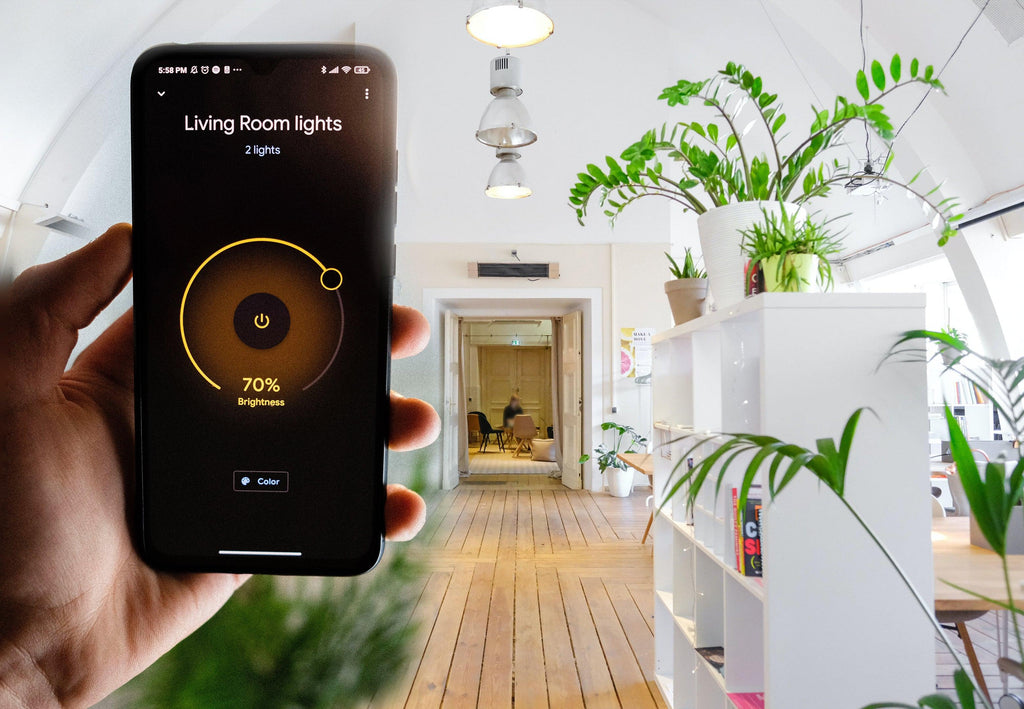
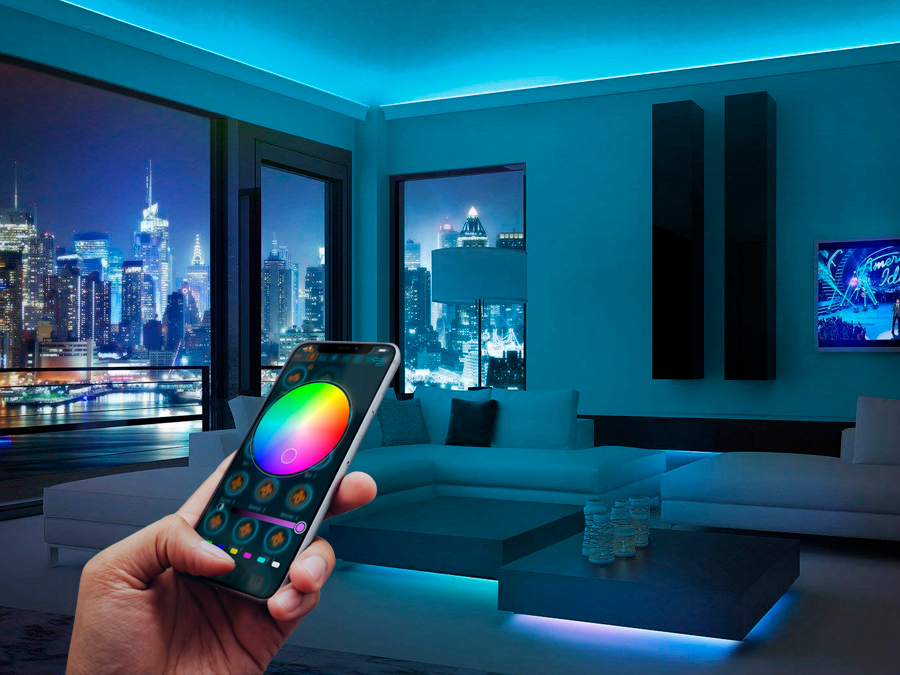
Smart lighting platforms, such as those from Philips Hue and Kasa, offer users the ability to customize schedules, set scenes, and even integrate with voice assistants. This flexibility means your lighting can automatically adjust to support your daily routines, whether you’re waking up, working, or winding down.
For those concerned about privacy and security, it’s important to consider how connected lighting devices interact with your home network. Our guide on smart lighting data privacy explained covers essential tips for keeping your system secure.
Benefits of Human-Focused Lighting
The advantages of adopting a wellness-oriented lighting strategy are wide-ranging. Here are some of the most significant benefits:
- Improved Sleep Quality: Exposure to cooler, blue-enriched light during the day and warmer tones in the evening helps regulate melatonin production, leading to better sleep patterns.
- Enhanced Mood and Well-Being: Proper lighting can reduce stress and support emotional balance, especially in environments with limited natural daylight.
- Increased Productivity: Tunable lighting in offices and study spaces can boost concentration and reduce fatigue.
- Support for Elderly and Healthcare Settings: Dynamic lighting has been shown to benefit those with dementia or disrupted circadian rhythms, making it valuable in hospitals and care homes.
Research continues to demonstrate the positive impact of adaptive lighting on both physical and mental health. As more people work from home or spend extended hours indoors, the value of creating supportive environments through light becomes even clearer.
Key Features of Smart Wellness Lighting Systems
When considering an upgrade to your lighting, look for systems that offer the following features:
- Tunable White and RGB LEDs: The ability to adjust both color temperature and hue allows for a wide range of lighting effects, from energizing daylight to cozy evening glows.
- Automated Schedules: Set your lights to change automatically based on time of day or your personal routines.
- App and Voice Control: Manage your lighting from your smartphone or with voice assistants for hands-free convenience.
- Integration with Other Smart Devices: Connect your lighting to sensors, thermostats, or security systems for a fully automated home experience.
For a closer look at how these features are evolving, check out our article on smart lighting trends explained to see what’s next for connected homes.
Implementing Wellness Lighting at Home
Getting started with a human-focused lighting setup doesn’t have to be complicated. Here are some practical steps:
- Assess Your Needs: Identify the rooms and times of day where lighting has the most impact on your comfort and productivity.
- Choose the Right Products: Look for smart bulbs or fixtures that offer tunable white and color options. Consider compatibility with your existing smart home ecosystem.
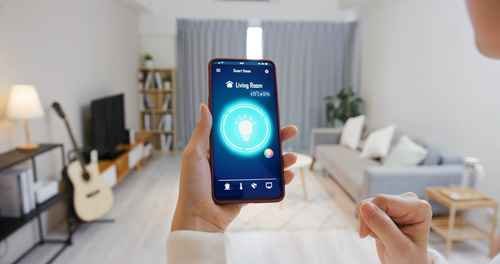
- Set Up Automated Routines: Use app-based controls to schedule lighting changes that align with your daily activities, such as waking up, working, or relaxing in the evening.
- Experiment and Adjust: Fine-tune your settings over time to find what works best for you and your household.
For those upgrading from traditional systems, this guide to upgrading to smart lighting offers practical advice on making the transition smoothly.
Challenges and Considerations
While the benefits are clear, there are a few things to keep in mind:
- Initial Investment: Smart lighting solutions can be more expensive upfront than standard bulbs, but energy savings and improved well-being often offset the cost over time.
- Privacy and Security: Connected devices can introduce vulnerabilities. Learn how to safeguard your system with our smart lighting cybersecurity basics guide.
- Network Stability: Reliable Wi-Fi or Zigbee networks are essential for seamless automation. If you encounter issues, our smart lighting network stability tips can help.
FAQ: Human Centric Lighting and Wellness
How does human-focused lighting support better sleep?
By adjusting color temperature and brightness throughout the day, these systems help maintain healthy circadian rhythms. Exposure to cooler, blue-enriched light in the morning promotes wakefulness, while warmer tones in the evening signal the body to prepare for rest.
Can I retrofit my existing home with smart wellness lighting?
Yes, many smart bulbs and fixtures are designed to fit standard sockets and can be controlled via apps or voice assistants. This makes it easy to upgrade without major renovations.
Are there energy savings with adaptive lighting systems?
Absolutely. Most modern smart lighting solutions use energy-efficient LEDs and allow for precise control, reducing unnecessary usage and lowering utility bills over time.
What are the main differences between traditional and human-centric lighting?
Traditional lighting is static, offering a fixed color and intensity. Human-centric systems are dynamic, adapting to your needs and the time of day to support health and comfort.
Is it possible to integrate wellness lighting with other smart home devices?
Yes, many platforms support integration with thermostats, security systems, and sensors, enabling a fully automated and responsive home environment.
As awareness grows about the impact of light on well-being, more people are seeking out solutions that go beyond basic illumination. By embracing smart, adaptive lighting, you can create spaces that not only look great but also support your health and happiness every day.