The future of smart lighting technology is rapidly evolving, transforming the way we illuminate our homes, offices, and public spaces. Driven by advancements in connectivity, automation, and energy efficiency, smart lighting is becoming more intuitive, adaptive, and integrated with broader smart home ecosystems. As these innovations continue to emerge, consumers and businesses alike are discovering new possibilities for comfort, convenience, and sustainability.
Understanding the latest trends and upcoming breakthroughs in this field is essential for anyone looking to stay ahead in home automation or commercial lighting solutions. Whether you’re a homeowner, facility manager, or tech enthusiast, keeping your lighting systems up to date ensures you benefit from the most efficient, secure, and user-friendly features available. For those interested in maintaining their devices, the smart lighting firmware updates guide offers valuable insights on keeping your technology current.
Emerging Trends Shaping Tomorrow’s Lighting Solutions
Several key trends are influencing the trajectory of smart lighting. As technology matures, lighting systems are becoming more than just sources of illumination—they are evolving into intelligent platforms that interact with users and the environment.
- Voice and Gesture Control: Integration with voice assistants like Alexa, Google Assistant, and Siri is now standard, but gesture-based controls are also on the rise, allowing for touchless operation and greater accessibility.
- Personalization and Adaptive Lighting: Lighting that automatically adjusts color temperature and brightness based on time of day, activity, or user preference is gaining traction. This not only enhances comfort but also supports circadian rhythms and productivity.
- Energy Optimization: Smart lighting platforms are leveraging sensors and AI to minimize energy consumption, automatically dimming or switching off lights in unoccupied spaces and optimizing schedules for maximum efficiency.
- Seamless Connectivity: With the proliferation of IoT devices, new protocols and standards are emerging to ensure interoperability. For a deeper dive into the connectivity landscape, see the smart lighting connectivity types guide.
Key Innovations in Smart Lighting Technology
As we look ahead, several innovations are set to redefine what’s possible with intelligent lighting systems. These advancements promise to deliver greater convenience, flexibility, and integration with other smart devices.

AI-Driven Automation and Sensing
Artificial intelligence is at the core of the next generation of lighting systems. By analyzing occupancy patterns, daylight availability, and user habits, AI-powered platforms can automate lighting scenarios for optimal comfort and efficiency. For example, lights can gradually brighten in the morning to mimic sunrise or dim automatically when you leave a room.
Advanced Connectivity and Interoperability
Modern smart lighting is moving beyond proprietary ecosystems. Support for standards like Matter, Zigbee, and Bluetooth Mesh is enabling seamless integration across brands and devices. This trend reduces compatibility headaches and allows users to mix and match products for a tailored experience. For those interested in direct device control, the bluetooth smart lighting explained article provides a straightforward overview.
Human-Centric and Health-Focused Lighting
Lighting’s impact on health and well-being is an area of growing research and product development. Human-centric lighting systems can adjust color temperature and intensity to support sleep cycles, boost alertness, or create relaxing environments. These features are especially valuable in workplaces, schools, and healthcare settings.
Smart Lighting in the Connected Home Ecosystem
As smart homes become more sophisticated, lighting is playing a central role in automation routines and security. Integration with sensors, cameras, and other devices allows for creative use cases:
- Lights that turn on automatically when someone enters a room or when motion is detected outside.
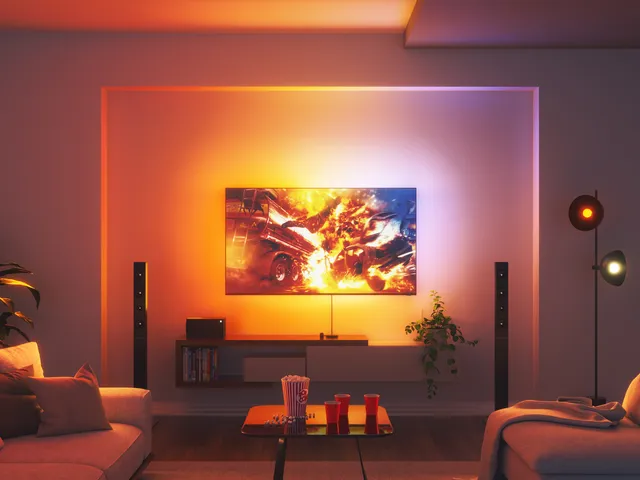
- Automated scenes that synchronize lighting with entertainment systems for immersive experiences.
- Remote access and scheduling through mobile apps, ensuring lights are never left on unnecessarily.
To ensure reliable performance, it’s important to understand how signal strength and latency can affect your setup. The smart lighting signal range explained and smart lighting latency explained guides offer practical advice for troubleshooting and optimizing your network.
Energy Efficiency and Sustainability in Smart Lighting
One of the most significant benefits of intelligent lighting is its potential to reduce energy consumption and environmental impact. By leveraging occupancy sensors, daylight harvesting, and automated scheduling, these systems help minimize wasted electricity. Many modern bulbs also use LED technology, which is inherently more efficient and longer-lasting than traditional incandescent or fluorescent options.
For those seeking a deeper understanding of how smart lighting works and its advantages, this comprehensive overview of smart lighting explains the basics and highlights the benefits of adopting these systems in homes and businesses.
Challenges and Considerations for Adopting New Lighting Technologies
While the potential of next-generation lighting is impressive, there are still challenges to consider:
- Compatibility: Not all devices and platforms work seamlessly together. Checking for support of open standards can help ensure interoperability.
- Security: As with any connected device, smart lighting can be vulnerable to cyber threats. Regular firmware updates and strong network security are essential. For more on this, refer to the earlier mentioned firmware updates guide.
- Cost: Advanced features and high-quality components can increase upfront investment, but long-term energy savings often offset these costs.
- Reliability: Wireless connectivity can sometimes result in latency or signal dropouts. Understanding your home’s layout and choosing the right connectivity type is key.
What to Expect in the Next Wave of Smart Lighting
Looking ahead, the evolution of intelligent lighting will likely include:
- Greater integration with health and wellness applications, such as lighting that responds to biometric data.
- Expanded use of AI for predictive automation, learning user routines and preferences over time.
- More sustainable materials and manufacturing processes, further reducing environmental impact.
- Enhanced user interfaces, including augmented reality controls and more intuitive mobile apps.
As these innovations become mainstream, lighting will move from a passive utility to an active participant in our daily lives, supporting productivity, well-being, and sustainability.
FAQ
How does smart lighting improve energy efficiency?
Smart lighting systems use sensors and automation to ensure lights are only on when needed. Features like occupancy detection, daylight harvesting, and scheduling help reduce unnecessary energy use, while LED bulbs consume less power than traditional lighting.
Can smart lighting be integrated with other smart home devices?
Yes, most modern smart lighting platforms support integration with voice assistants, security systems, thermostats, and entertainment devices. Choosing products that support open standards like Matter or Zigbee can make integration smoother and more flexible.
What are the main security concerns with smart lighting?
Like any connected device, smart lighting can be targeted by hackers if not properly secured. It’s important to keep firmware updated, use strong passwords, and ensure your home network is protected. For more details, check out resources on maintaining up-to-date firmware and network security best practices.